Acromegaly: The Condition Behind Unusual Facial Changes
TABLE OF CONTENTS

Acromegaly is a hormonal disorder that develops when the pituitary gland produces excessive amounts of growth hormone. This condition typically affects middle-aged adults but can develop at any age. One of the most distinctive features of this disorder is the noticeable changes in facial structure, often referred to as the acromegaly face. This article delves into the characteristics of acromegaly face, its implications, and management while providing a comprehensive view of this specific aspect of acromegaly.
Characteristics of Acromegaly Face
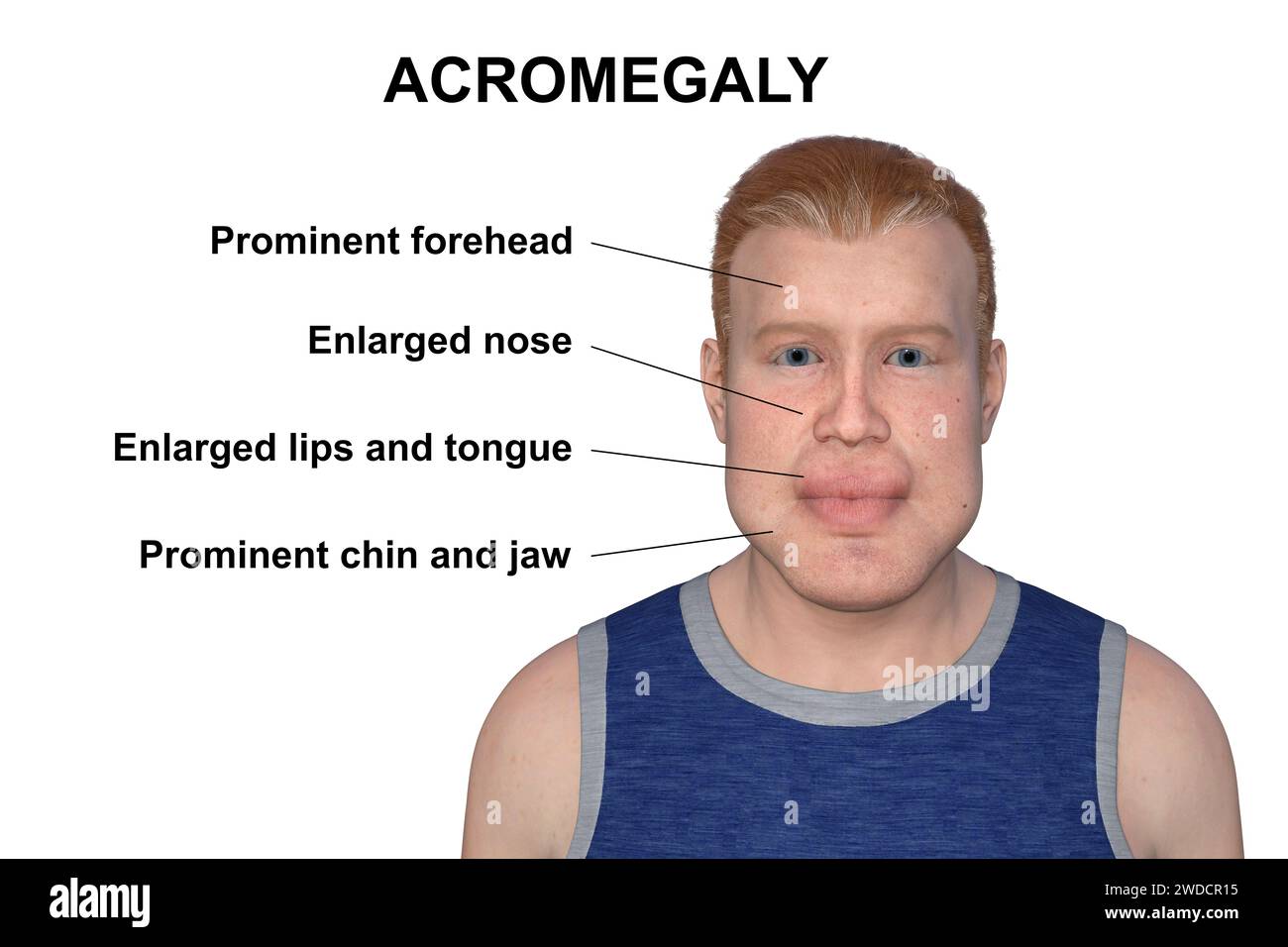
The facial changes associated with acromegaly occur gradually, often making them difficult to notice initially. Over time, individuals may develop an acromegaly face, distinguished by:
- Enlarged Features: Patients often experience an enlargement of the nose, lips, and tongue, contributing to a broader facial appearance.
- Prominent Edges: The jaw, forehead, and cheekbones may appear more pronounced due to the overgrowth of bone and soft tissues.
- Coarse Skin Texture: Skin on the face may become rough, thickened, or oily, further altering facial features.
These changes result from prolonged exposure to high levels of growth hormone and may lead to secondary complications affecting other bodily systems.
Implications of Acromegaly Face
An acromegaly face not only affects physical appearance but can also have significant psychological and social implications. Individuals with noticeable facial changes often experience self-esteem issues and may encounter social challenges due to altered appearance. Furthermore, medical complications associated with these changes can include difficulties in breathing (due to an enlarged tongue and sinus obstructions) and vision problems caused by pressure on the optic nerves.
Managing Acromegaly Face Changes
Early diagnosis and intervention are crucial in managing acromegaly face alterations. Treatments typically focus on reducing the excessive secretion of growth hormone. These may include medications such as somatostatin analogs and dopamine agonists, which help to control hormone levels, or surgical intervention to remove pituitary tumors. In some cases, radiation therapy may also be suggested.
By effectively managing the underlying hormonal imbalance, further progression of facial and other bodily changes can be halted or slowed.
Conclusion
Acromegaly face presents a unique challenge for individuals diagnosed with acromegaly due to the profound impact on appearance and social functioning. Recognizing these characteristic facial changes early can lead to a timely diagnosis and intervention, which are essential in minimizing long-term damage and improving quality of life. Ongoing research in medical therapies continues to enhance the management options available, offering hope for individuals affected by this condition.
BIG SALE | FAST SHIPPING
HOT PROMOTIONS!


STADA MEGA CUTS BLEND 300 MG 10ML (TRENBOLONE)

Original price was: $ 129.00.$ 119.00Current price is: $ 119.00.

ZPHC UltraMix 10ml MultiUse Vial 1ml = 250mg

Original price was: $ 255.00.$ 179.00Current price is: $ 179.00.





FAQs
What is Acromegaly Face?
Acromegaly face refers to the distinctive facial changes, including enlarged features and coarser skin texture, that occur in individuals with acromegaly due to prolonged exposure to excess growth hormone.
How is Acromegaly Face Diagnosed?
Diagnosis is typically made through clinical evaluation, hormone testing to measure growth hormone levels, and imaging tests like MRI to identify pituitary tumors. Early assessment of acromegaly face features can aid in timely diagnosis.
Can Acromegaly Face Changes be Reversed?
Although some changes may partially reverse with treatment, most changes to bone structure are permanent. Early intervention can prevent further progression and improve function.
Are There Support Resources Available?
Yes, many organizations provide support for individuals with acromegaly. These include Endocrine Society and Acromegaly Community, which offer resources and support networks for those affected.
Understanding the complexities surrounding acromegaly face not only aids in better personal management but also enhances societal awareness, encouraging supportive environments for individuals living with acromegaly.
Acromegaly is a hormonal disorder that occurs when the pituitary gland produces excess growth hormone, often characterized by distinctive facial features. Individuals with acromegaly often develop pronounced bone growth and soft tissue swelling, leading to noticeable changes in their facial appearance. Common features include enlarged jaws, known as prognathism, a broadened nose, and pronounced cheekbones. Additionally, individuals may exhibit thickened lips and a protruding brow, giving the forehead a more prominent appearance. These facial changes can develop gradually over time, making early detection difficult but essential for effective management and treatment. The condition can significantly impact a person’s appearance and may also contribute to related health issues, underscoring the importance of medical intervention.