What Does Endurance Mean in the Context of Physical Fitness?

Endurance refers to the ability to withstand prolonged physical or mental exertion, crucial for both athletic performance and general health. There are two main types: cardiovascular endurance, important for activities like running, and muscular endurance, vital for weightlifting. Improving endurance involves regular exercise, balanced nutrition, and rest, while overtraining could lead to injuries. Endurance activities also benefit mental health by reducing stress and enhancing mood.

What is HIIT Training? An Overview for Beginners

High-Intensity Interval Training (HIIT) alternates between intense activity bursts and rest, aiming to enhance cardiovascular health, reduce fat, and build strength efficiently. Unlike steady-paced workouts, HIIT’s varying intensity offers faster results, ideal for busy schedules. Sessions last 20-30 minutes, requiring minimal equipment, making them accessible for beginners. Benefits include boosted metabolism, improved insulin sensitivity, and enhanced muscle tone. Engaging in HIIT 2-3 times weekly provides optimal results, with proper form and nutrition vital for success and injury prevention.

What are HIIT Intervals and How Do They Work?

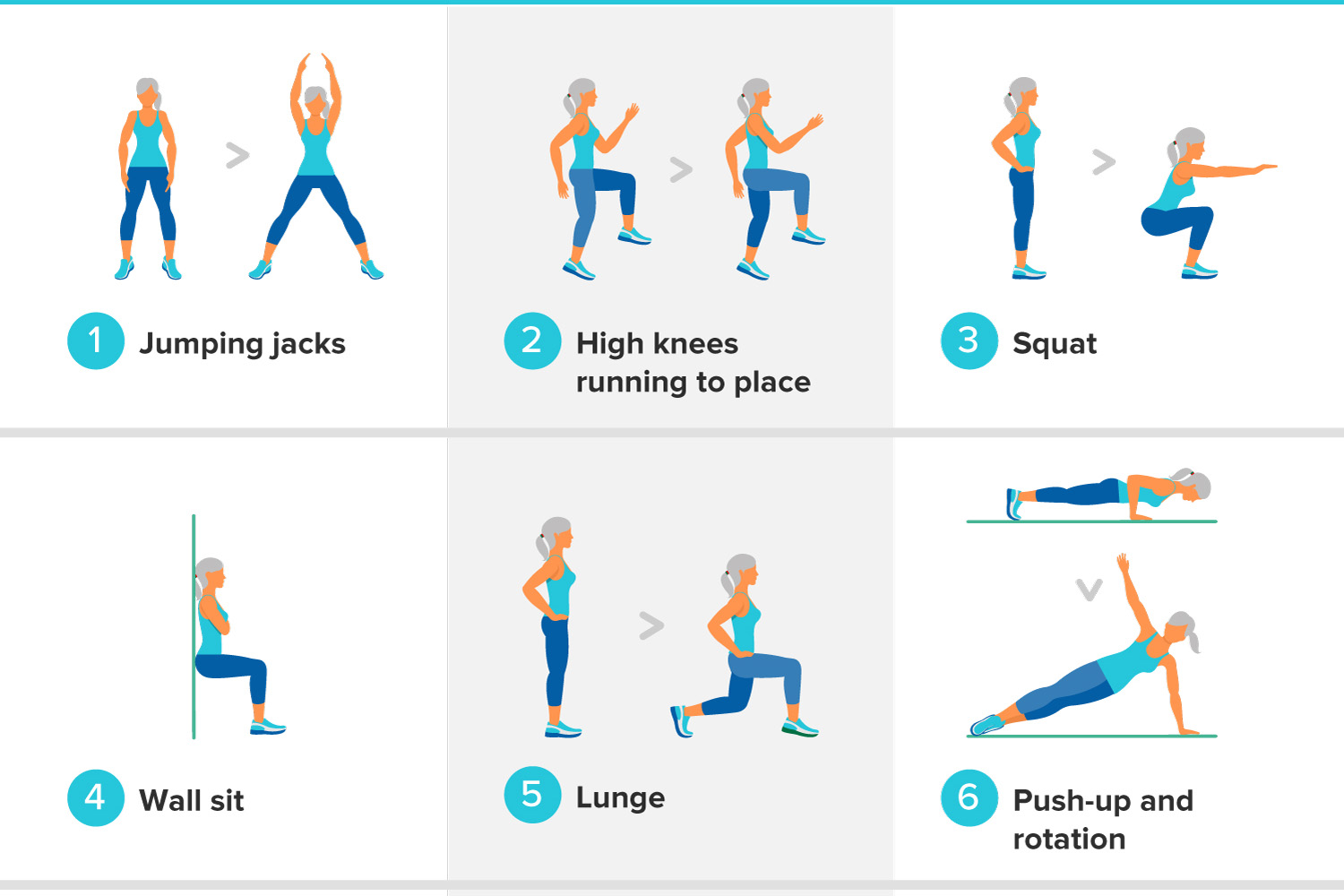
High-Intensity Interval Training (HIIT) is a cardiovascular exercise method alternating short bursts of intense exercise with recovery periods, designed to increase heart rate and burn more calories than traditional workouts. HIIT enhances cardiovascular health, metabolism, and muscle endurance while fitting busy schedules. Beginners should start slowly, gradually adjusting intensity. Sessions are typically 20-30 minutes and require no special equipment, making HIIT accessible. Recovery is crucial to prevent injury and optimize results.

What is AMRAP and How Can It Benefit My Workout Routine?

AMRAP stands for “As Many Rounds (or Reps) As Possible,” a high-intensity workout where you aim to complete a circuit of exercises as many times as possible within a set time. Benefits include improved fitness and adaptability, making it suitable for all levels. AMRAP can be integrated into various routines and is effective with or without equipment.

What is a Smith Machine Hip Thrust and How Does It Differ from the Traditional Version?

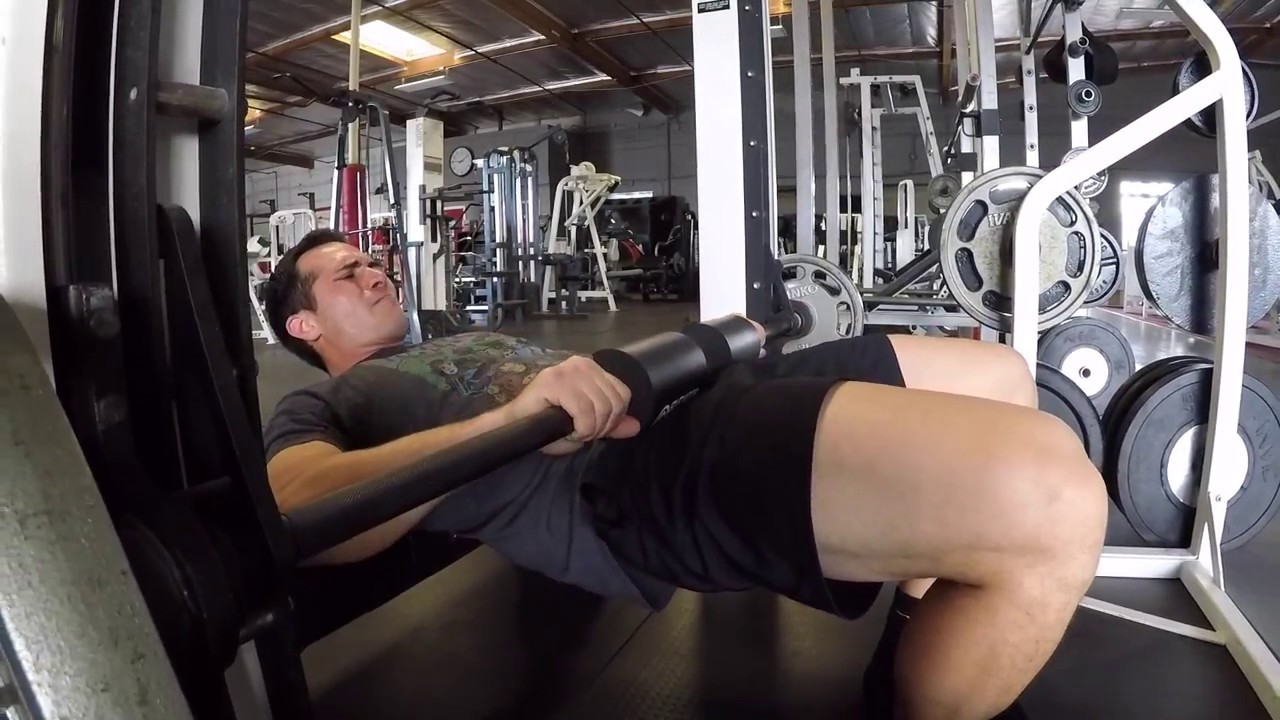
The Smith machine hip thrust is a popular exercise for strengthening glute muscles. Utilizing this machine allows for controlled vertical movement and is ideal for targeting the posterior chain. The setup provides stability, especially beneficial for beginners or those recovering from injury. To perform it, position a bench behind the machine, sit with your upper back against the bench, roll the barbell over your legs, and lift your hips towards the ceiling while engaging your core and glutes.

What Is a Smith Machine Deadlift and How Does It Differ from a Traditional Deadlift?

A Smith Machine Deadlift utilizes the guided barbell movement of the Smith machine for deadlifts, allowing for controlled and balanced exercises. Unlike traditional deadlifts, it offers stability with a fixed path, enhancing safety for beginners. It’s effective for muscle targeting and strength building, focusing on the posterior chain, glutes, and hamstrings.

How Much Does a Smith Machine Bar Weigh?

A Smith machine is a weightlifting apparatus featuring a barbell fixed between two steel rails, permitting vertical movement. This setup offers stability and safety during exercises like squats and bench presses. Typical Smith machine bars weigh between 15 and 25 pounds, lighter than the 45-pound Olympic barbell, due to partial support from the machine’s frame. This setup allows lifters to concentrate on form and muscle engagement. While useful for muscle building, it’s advisable to incorporate free weights to ensure a comprehensive workout, engaging stabilizing muscles and allowing a full range of motion.

What Are the Benefits of Including Resistance Bands in Your Leg Workout?

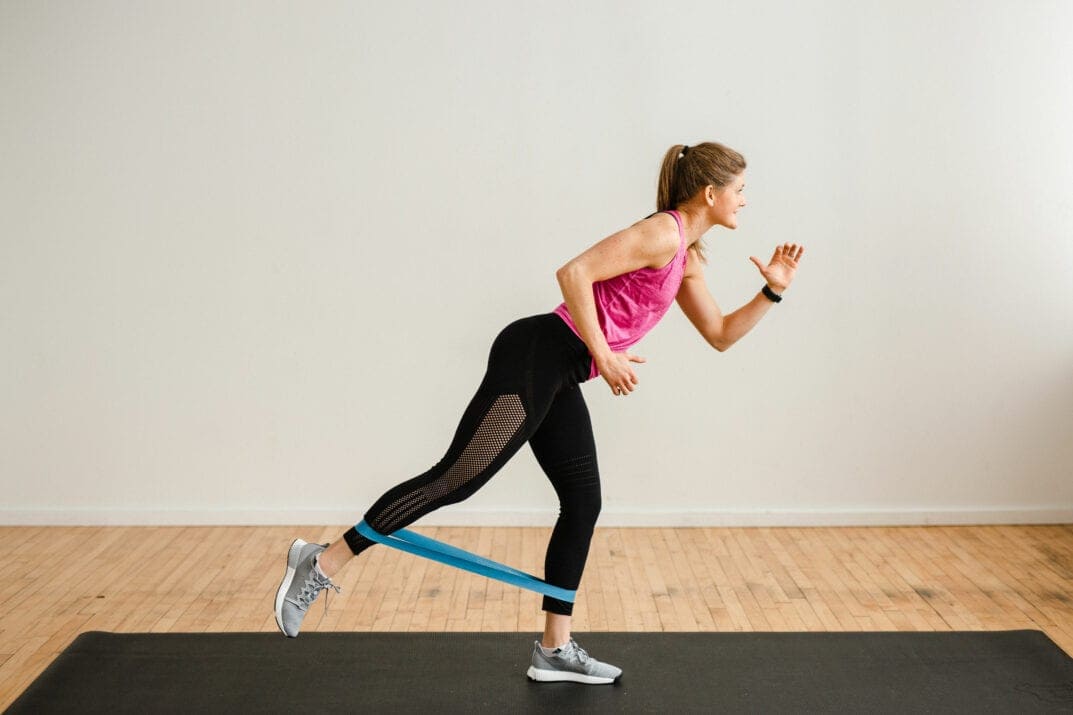
Incorporating resistance bands into your leg workout offers numerous benefits, including continuous muscle tension, improved balance, and increased leg strength. They’re portable and versatile, suitable for all fitness levels. Effective exercises comprise banded squats, lunges, and leg presses. For optimal results, workout two to three times weekly.

Why Leg Day is Essential: The Benefits You Need to Know

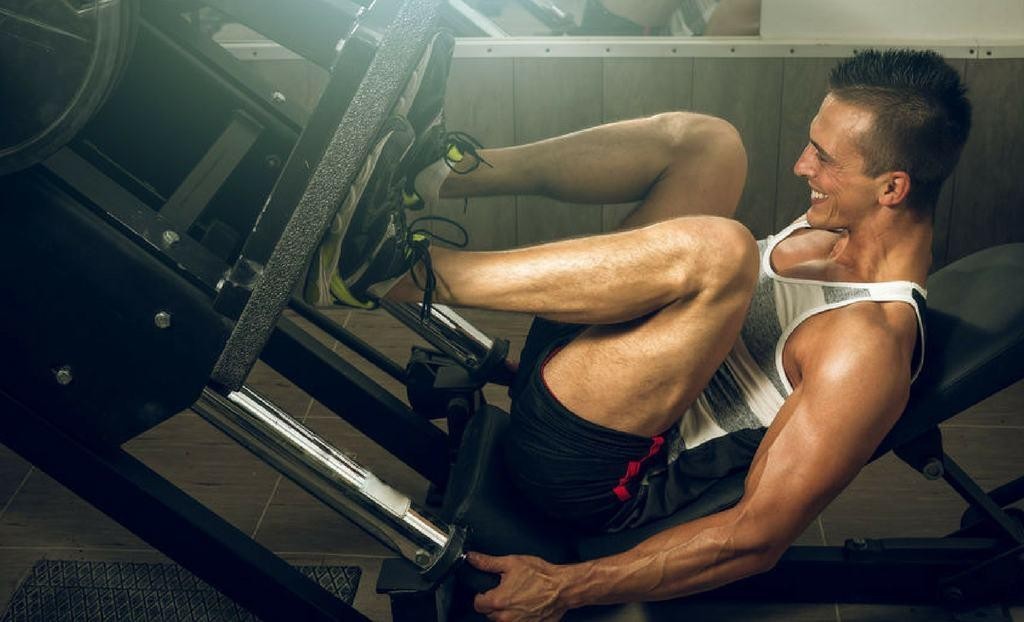
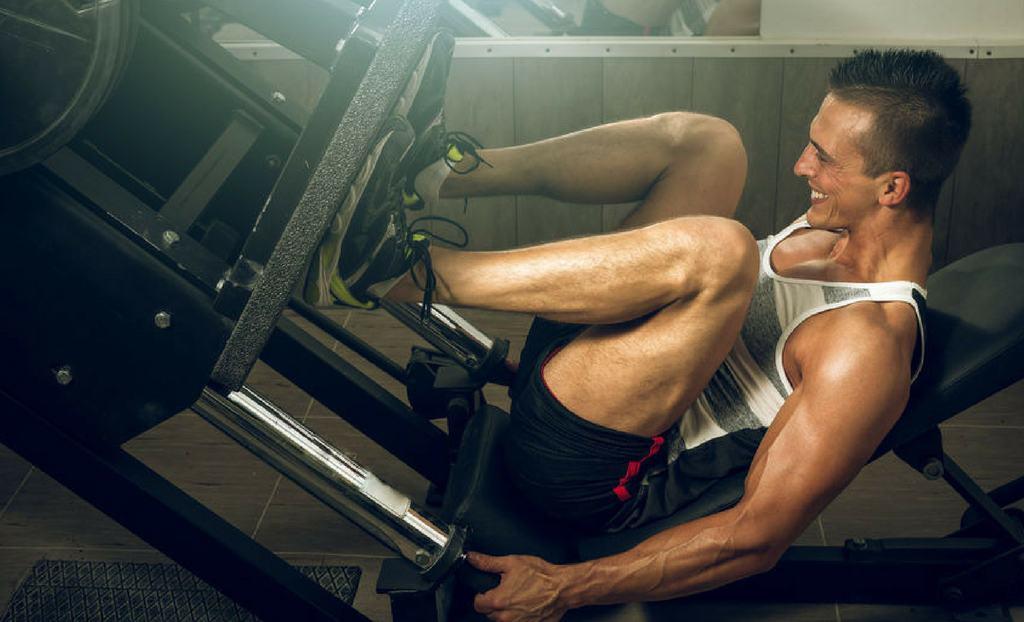
A leg day workout focuses on strengthening the lower body, targeting muscles like the quadriceps, hamstrings, calves, and glutes. It improves overall strength, stability, and athletic performance. For most, dedicating one or two days per week to leg training is effective, with rest days in between necessary. Including low-impact cardio on leg day can complement training.

What Are the Key Exercises for an Effective Leg Day Routine?

A leg day routine is a workout plan focusing on training the lower body muscles like quadriceps, hamstrings, calves, and glutes. It is recommended to include a leg day routine 1-2 times a week for strength and recovery. Common exercises are squats, lunges, deadlifts, and calf raises.

What Are the Benefits of Having a Dedicated Leg Day?

Leg day is crucial for balancing overall strength and athleticism by targeting quadriceps, hamstrings, calves, and glutes, contributing to improved performance and posture. Generally, leg workouts should occur once or twice a week. Essential exercises include squats, lunges, and deadlifts. Proper form and warm-ups help avoid injuries.

What Muscles Are Primarily Targeted by the Shoulder Press?

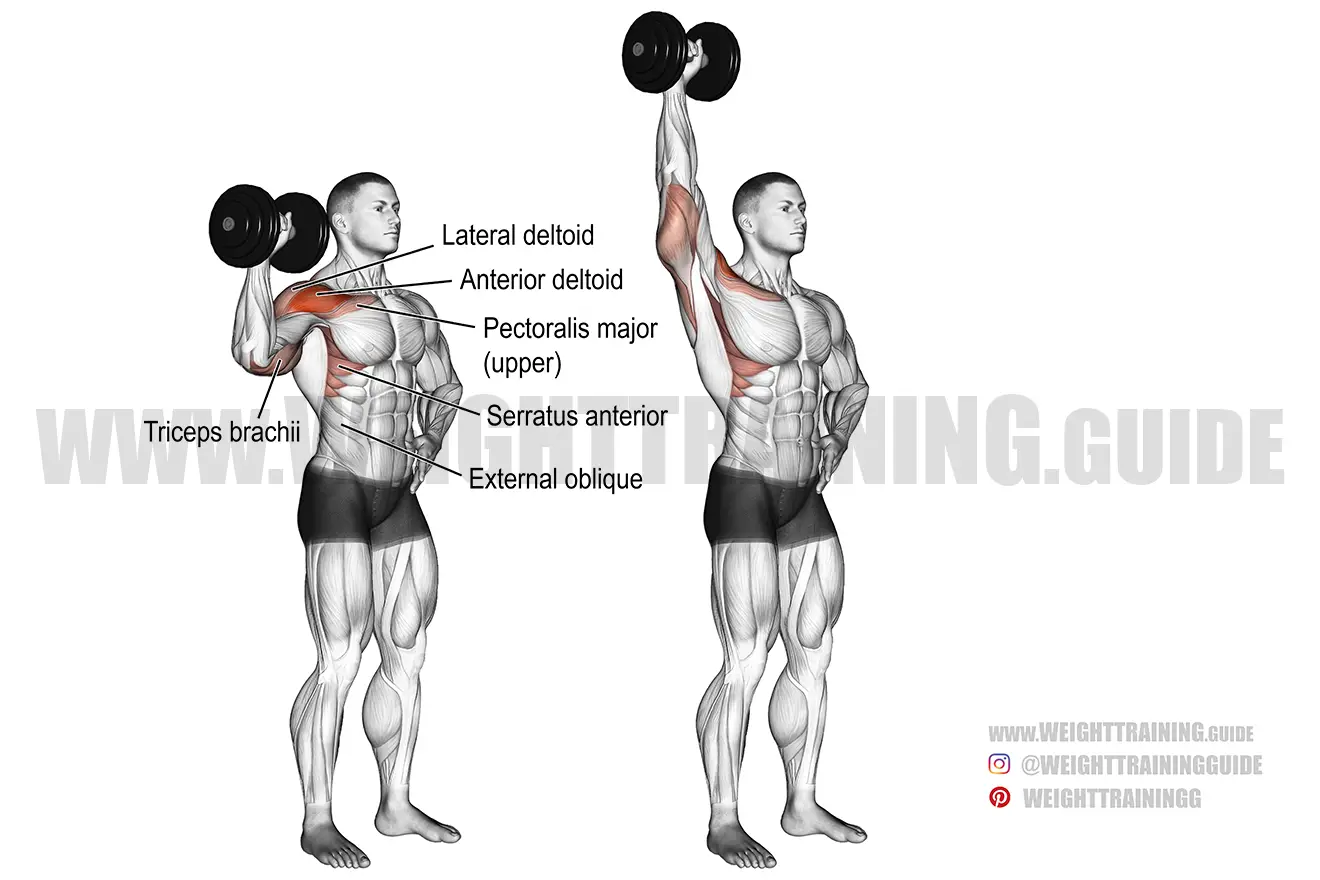
The shoulder press primarily targets the deltoid muscles, specifically the anterior and lateral heads, and also engages the triceps brachii and trapezius muscles. Secondary muscles like the rotator cuff and serratus anterior help in maintaining form. Proper form involves keeping a neutral spine.

What Are the Best Shoulder Exercises for Men?

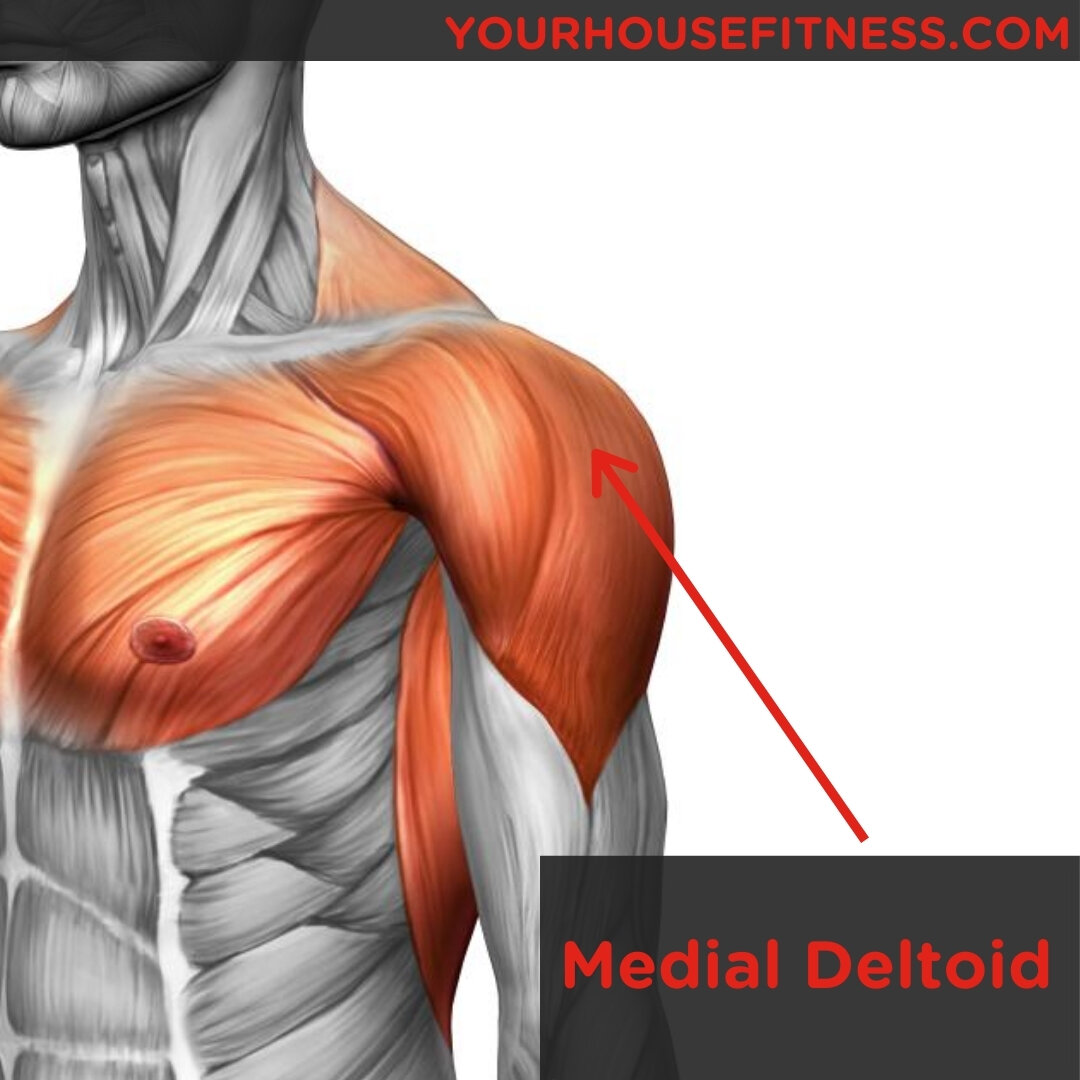
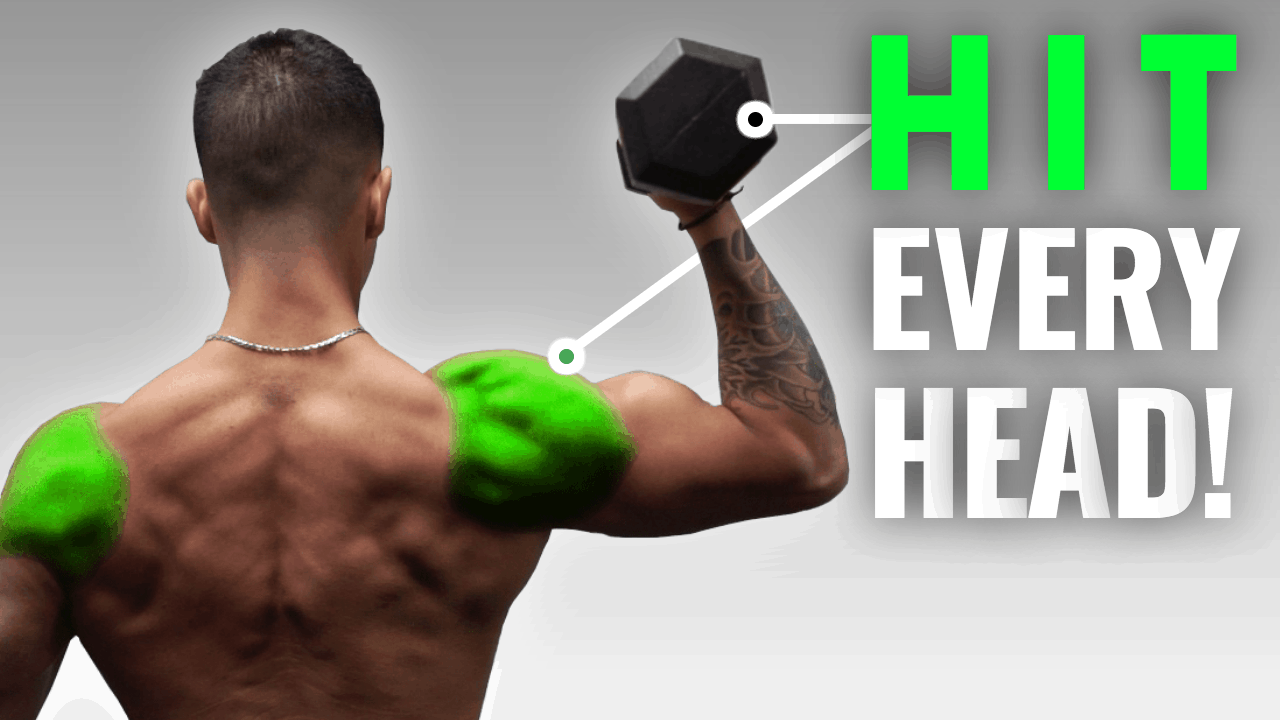
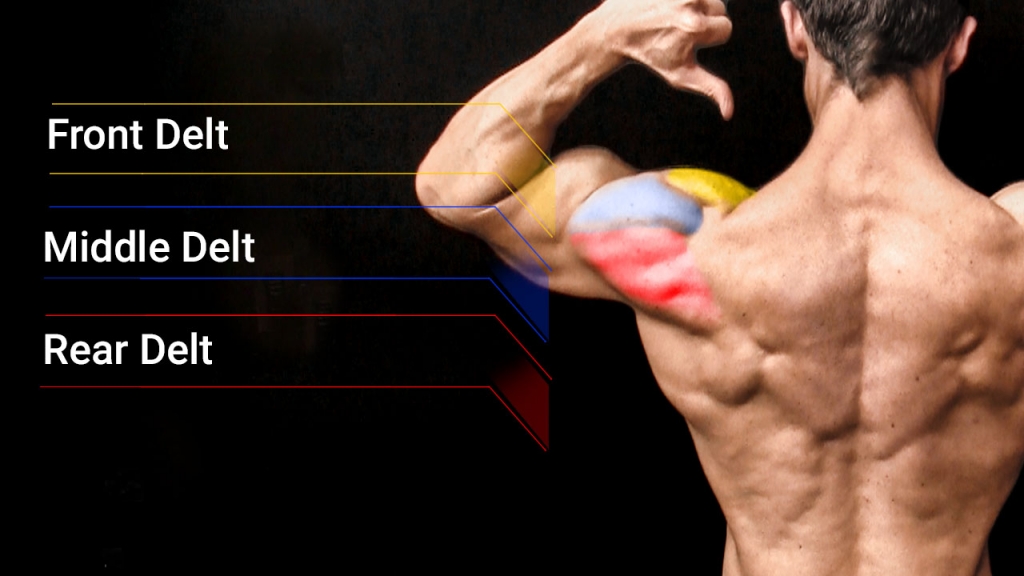
For balanced muscle development, it’s important to target all parts of the shoulder: front (anterior), side (medial), and rear (posterior) deltoids. Exercises like shoulder presses work the front deltoids, lateral raises target the sides, and bent-over lateral raises focus on the rear deltoids, ensuring a well-rounded workout.

What Are the Benefits of Using Cables for Shoulder Exercises?

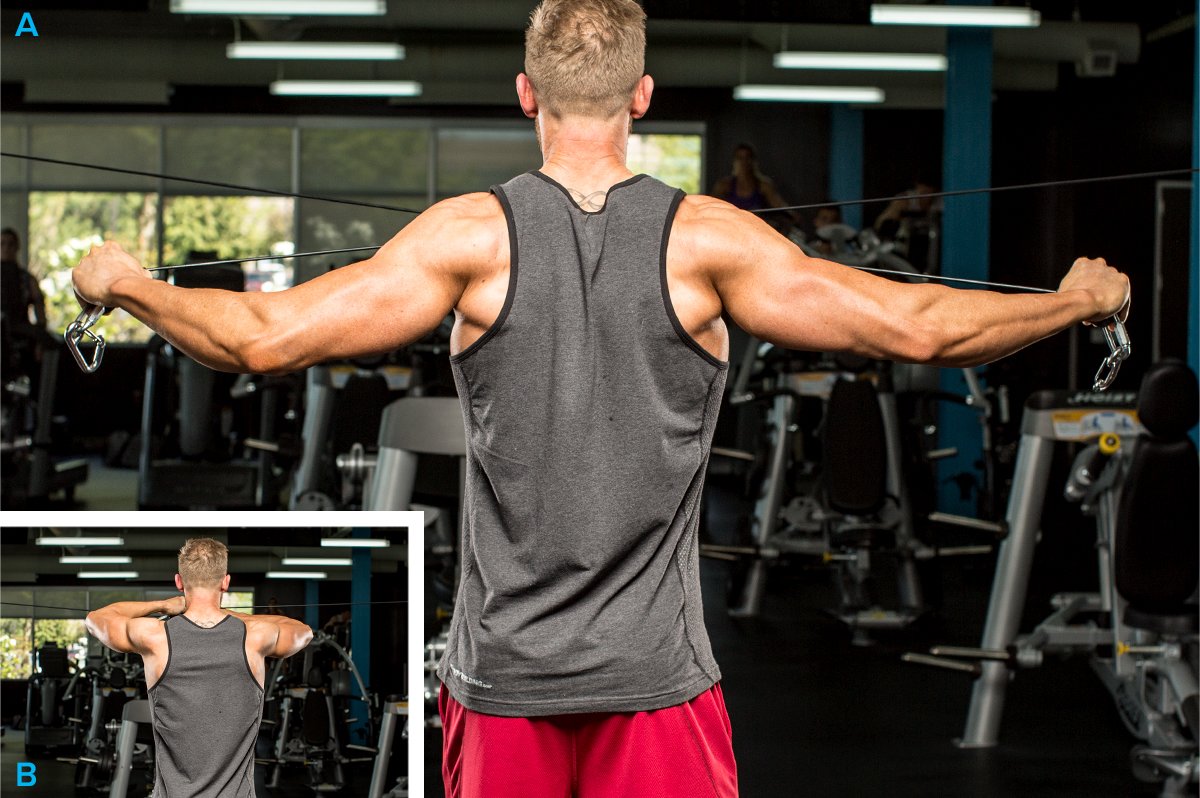
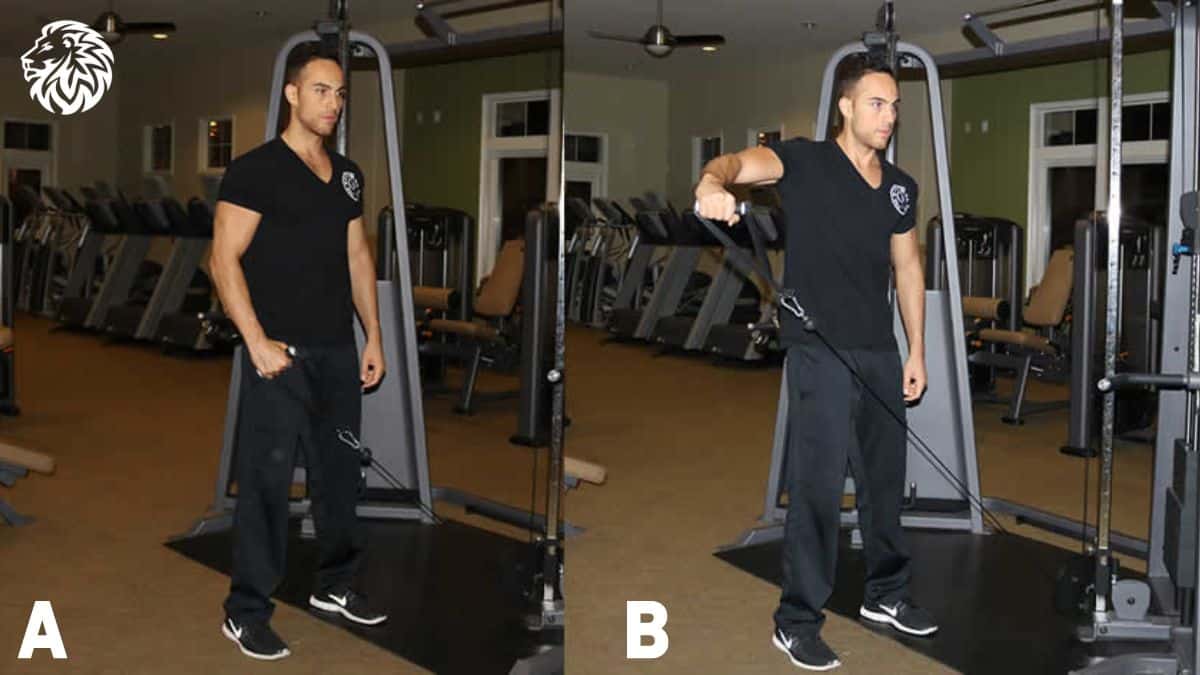
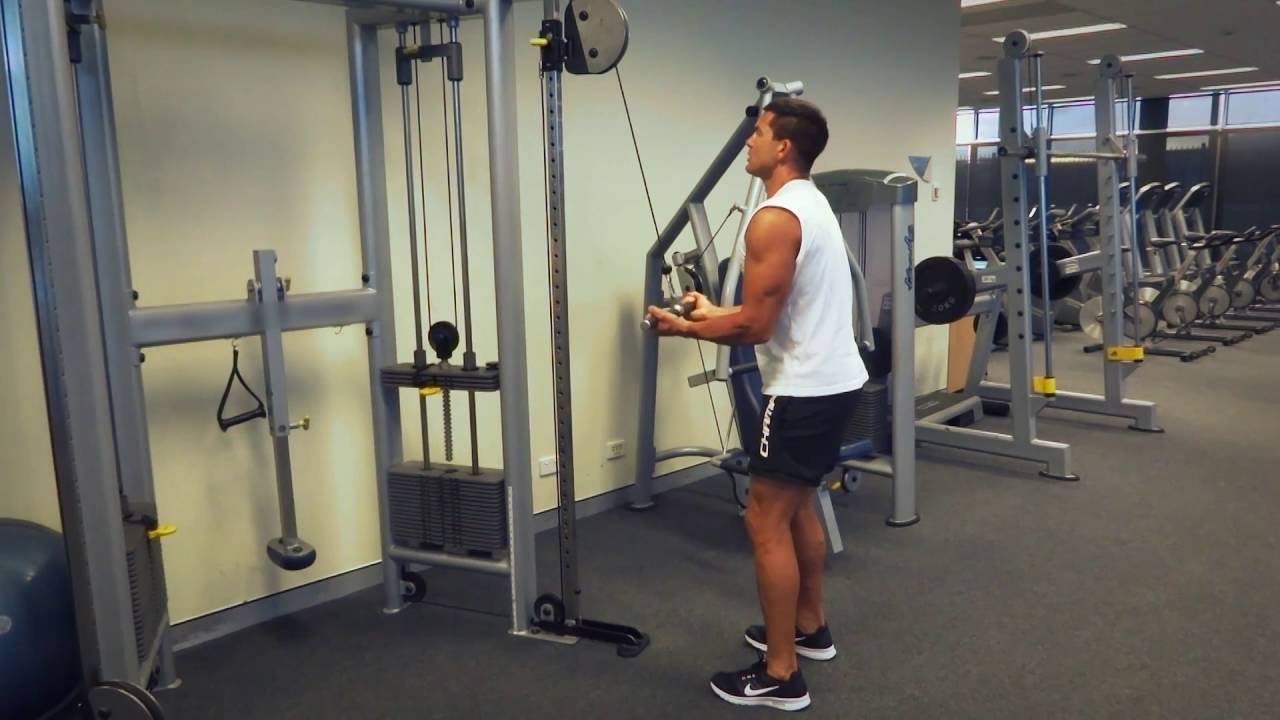
Using cables for shoulder exercises offers several benefits, including consistent muscle tension, leading to better engagement compared to free weights. Cables also enhance flexibility, improve symmetry, and reduce injury risk due to controlled movements. Suitable for all fitness levels, training frequency is generally 1-2 times weekly.

The Benefits of Calf Exercises: Why They Matter

Calf exercises are essential for developing lower leg strength, improving balance, and enhancing athletic performance. They support your knees and ankles, reducing injury risks, and can boost running and jumping abilities. Perform calf exercises 2-3 times weekly for muscle growth and recovery.

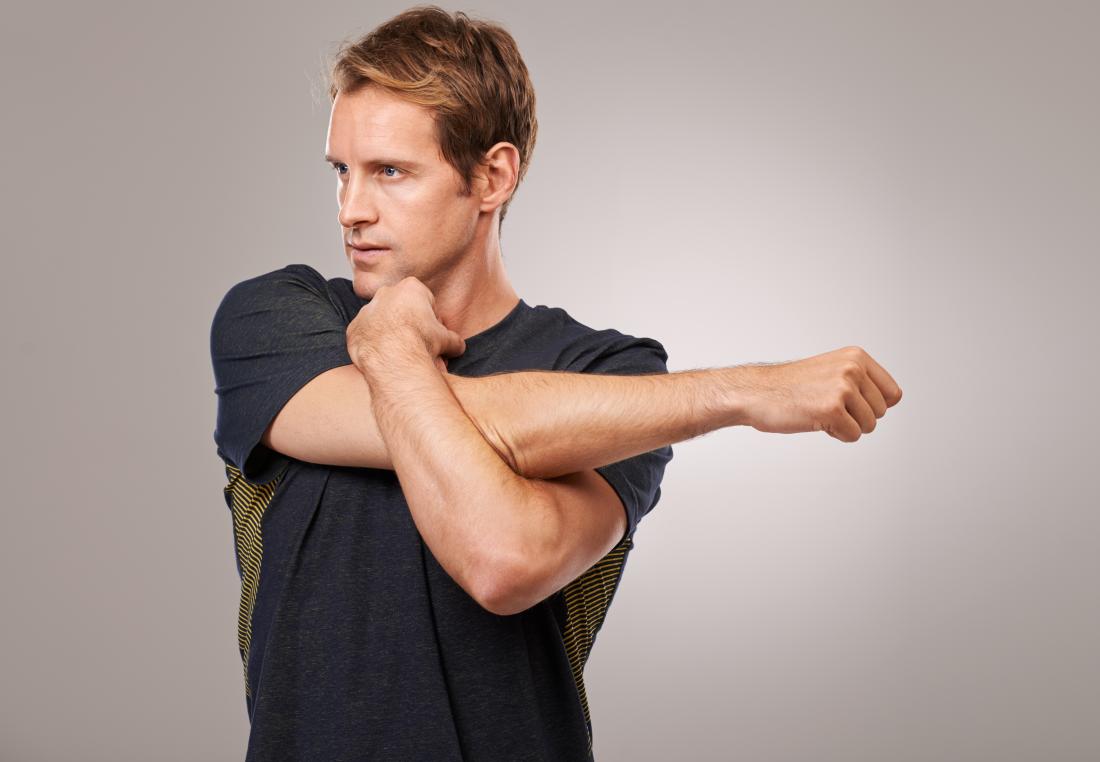
What Are the Benefits of Shoulder Stretches?

Shoulder stretches are exercises designed to increase flexibility and range of motion in the shoulder area. They are crucial for maintaining shoulder health, preventing injuries, and supporting overall body fitness. Performing these stretches regularly can help alleviate tension, reduce the risk of strains, and improve posture.

What Are Delt Muscles and Why Are They Important?

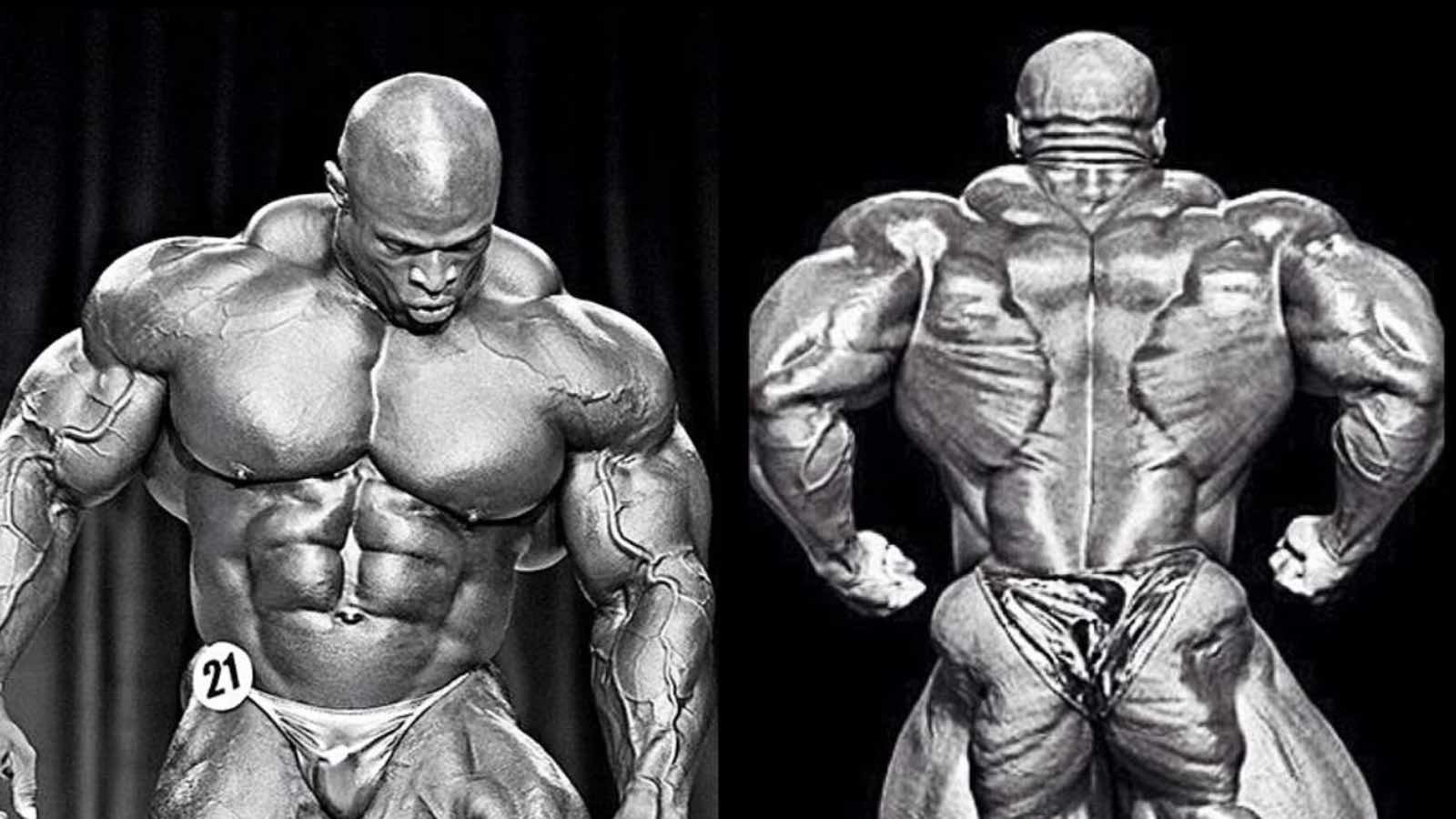
Deltoid muscles, or delts, are triangular muscles on the upper arm and shoulder crucial for mobility and strength. Strengthening them is key for enhancing arm function and preventing injuries. Target delts 2-3 times a week, using exercises like shoulder presses and lateral raises, and consider both weights and resistance bands for diverse gains in muscle.

What Are the Best Dumbbell Exercises for Shoulder Growth?

Shoulder dumbbell exercises target shoulder muscles using dumbbells to enhance strength, stability, and definition. Benefits include improved muscle endurance and flexibility, plus injury prevention. Beginners should start with light weights, focusing on form. Integrate these exercises into upper body workouts for balanced development.

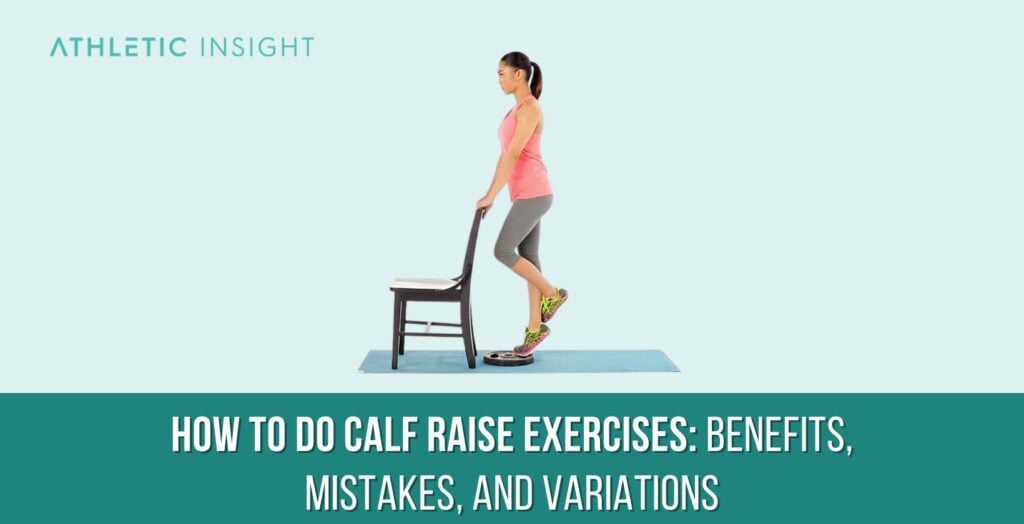
What Are Calf Raises and Why Are They Important for Lower Body Strength?

Calf raises are a strength exercise targeting the lower leg muscles, specifically the gastrocnemius and soleus. They enhance muscle strength, balance, and definition. Performing calf raises, either standing or seated, focuses on these crucial muscles, improving foot flexion and overall athletic performance. Variations like single-leg raises or using weights add challenge to the routine.

What Are the Best Shoulder Exercises for Strength and Stability?

Shoulder exercises are vital for building strength, boosting flexibility, and enhancing shoulder joint stability, which can prevent injuries and improve performance in physical activities. It’s generally recommended to do these exercises two to three times a week for optimal results. Always warm up properly and use correct form to minimize injury risks.

What is the Deltoid Injection Site and Why Is It Used?

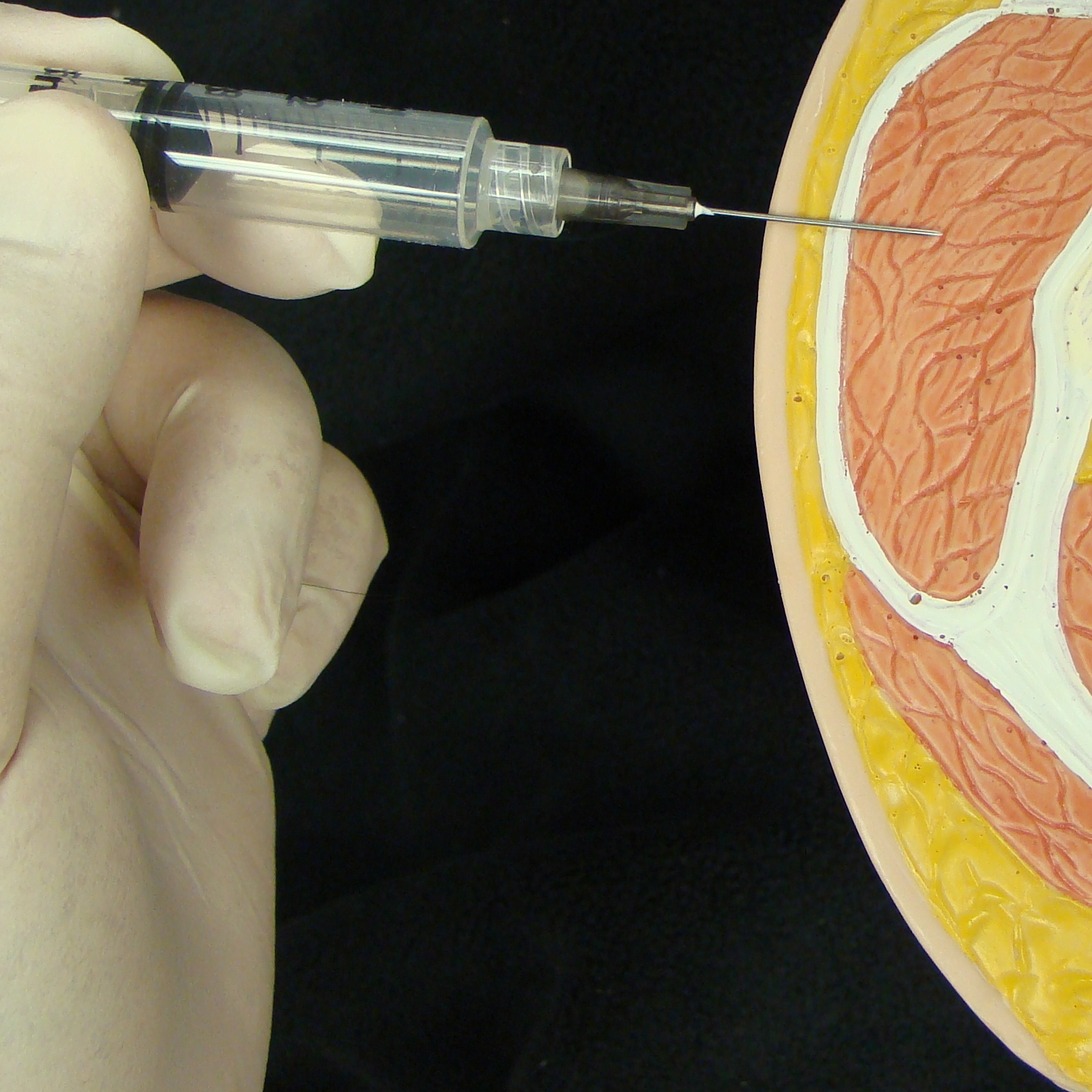
The deltoid injection site is located on the shoulder and is often used for intramuscular injections due to its accessibility and capacity to absorb larger medication volumes. To locate it, find the acromion process and measure two to three finger widths down; the site is 1 to 2 inches below the acromion. The deltoid is preferred for ease of access, less disrobing, and comfort. However, it’s not suitable for individuals with underdeveloped muscles, and improper technique may risk nerve injury. Always consult healthcare professionals for proper administration.

What are Deltoid Flyes and How Do They Benefit Shoulder Workouts?

Deltoid flyes, or reverse flyes, are a strength-training exercise focusing on the rear deltoids, upper back, and trapezius muscles. To perform, hold dumbbells, feet shoulder-width apart, and bend at the waist. Raise arms to the side, elbows slightly bent, until parallel to the ground. Use lighter weights for beginners to prevent injury.

Top 10 Deltoid Exercises for Building Shoulder Strength and Size

Starting a deltoid muscle workout can be daunting for beginners. Focusing on basic exercises like shoulder presses and lateral raises helps build a foundation. Aim to perform deltoid exercises 2-3 times a week, with rest days in between to prevent overtraining. Using proper form and gradually increasing weights can aid in preventing injuries. Resistance bands are also effective tools for deltoid workouts, offering a low-impact option. Incorporating a variety of exercises, like compound movements and isolation exercises, ensures all deltoid heads are targeted. Results typically appear in 4-6 weeks with a balanced, consistent routine.

What Are the Back Deltoids and Why Are They Important?

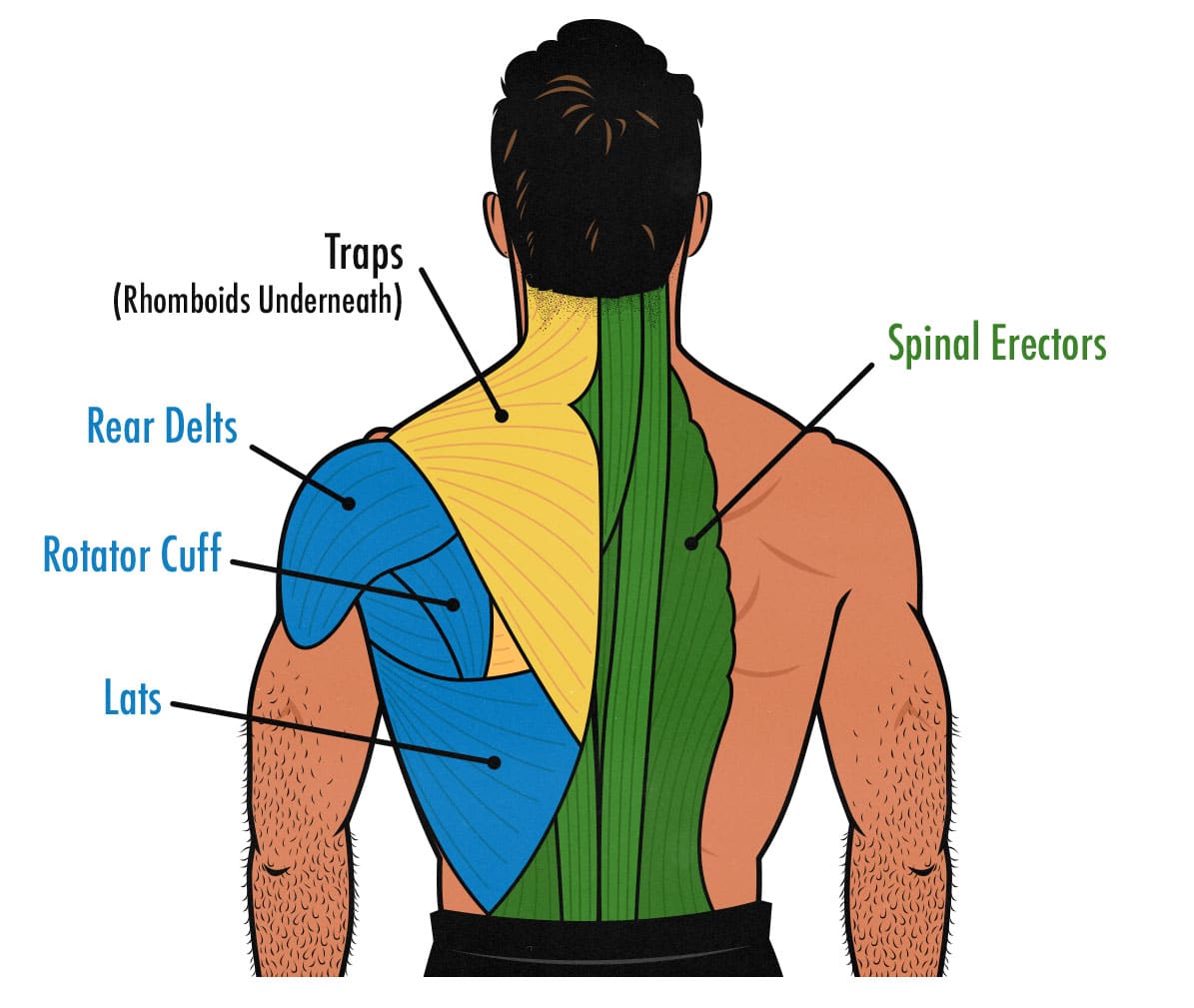
The rear deltoids, located at the back of the shoulders, are crucial for shoulder extension and rotation, aiding in movements like rowing. To train them, include exercises such as face pulls and rear delt rows, emphasizing proper form to avoid injury. Training them 1-2 times a week can improve posture and prevent muscle imbalances.

What Are the Best Rear Delt Exercises for Beginners?

Rear delt exercises target the muscles at the back of your shoulders, aiding in strength, posture, and stability. They’re crucial for balanced shoulder development, preventing injuries, and enhancing aesthetics. Perform these exercises 2-3 times weekly with routines like reverse flyes, face pulls, and bent-over lateral raises. They can be adapted for home and are beginner-friendly with lighter weights. Proper form is critical to avoid injuries, ensuring balanced muscle development by combining with other workouts. Common equipment includes dumbbells and resistance bands, benefiting even home setups.

What Are Triceps Push-Ups and How Do They Differ from Regular Push-Ups?

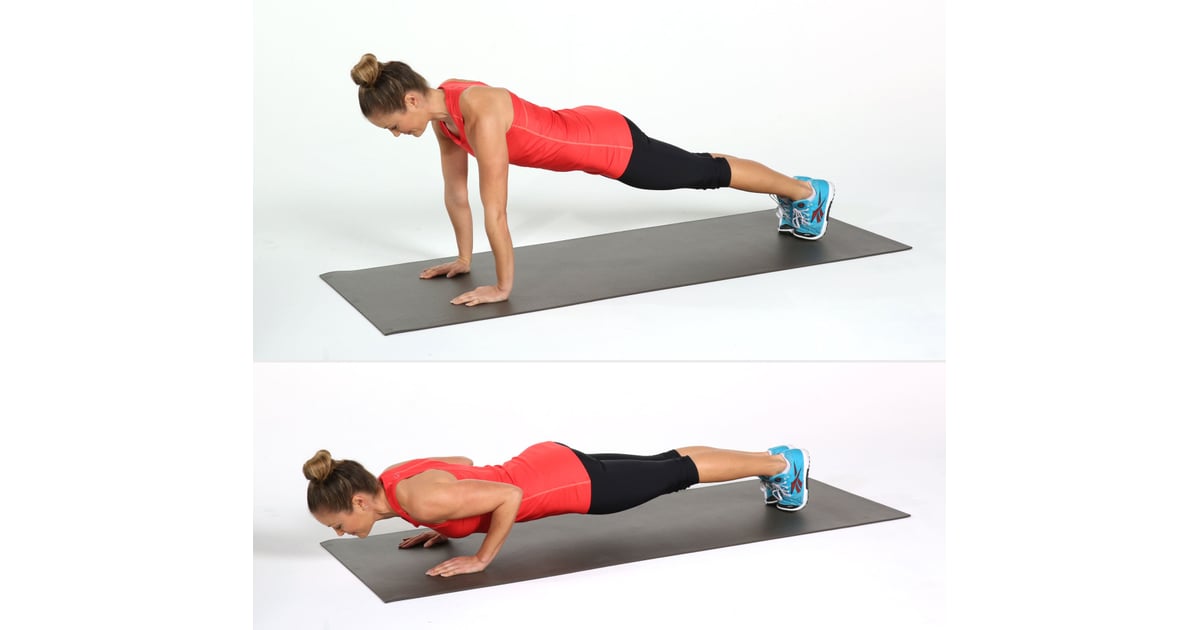
Triceps push-ups primarily target the triceps muscles, requiring a closer arm stance than standard push-ups, shifting more workload to the triceps. Perform them by starting in a plank position, keeping elbows close, and lowering your chest. Benefits include muscle development, core stability, and enhanced upper body strength. Beginners can modify with knee or wall push-ups. Avoid flared elbows and sagging hips. For best results, incorporate them 2-3 times a week, ensuring rest days for recovery.

What are Triceps Overhead Extensions and Why Should You Include Them in Your Workout?

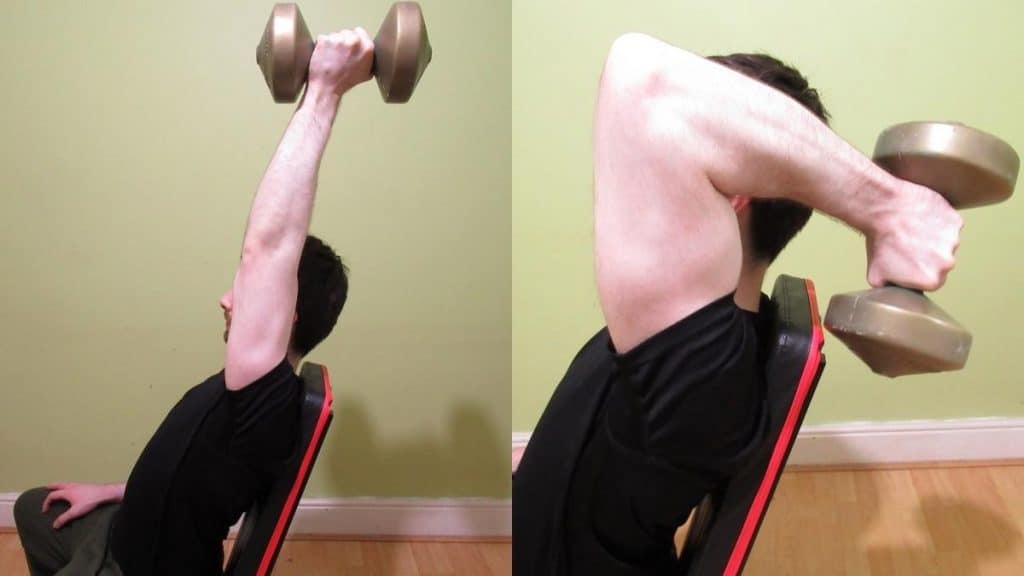
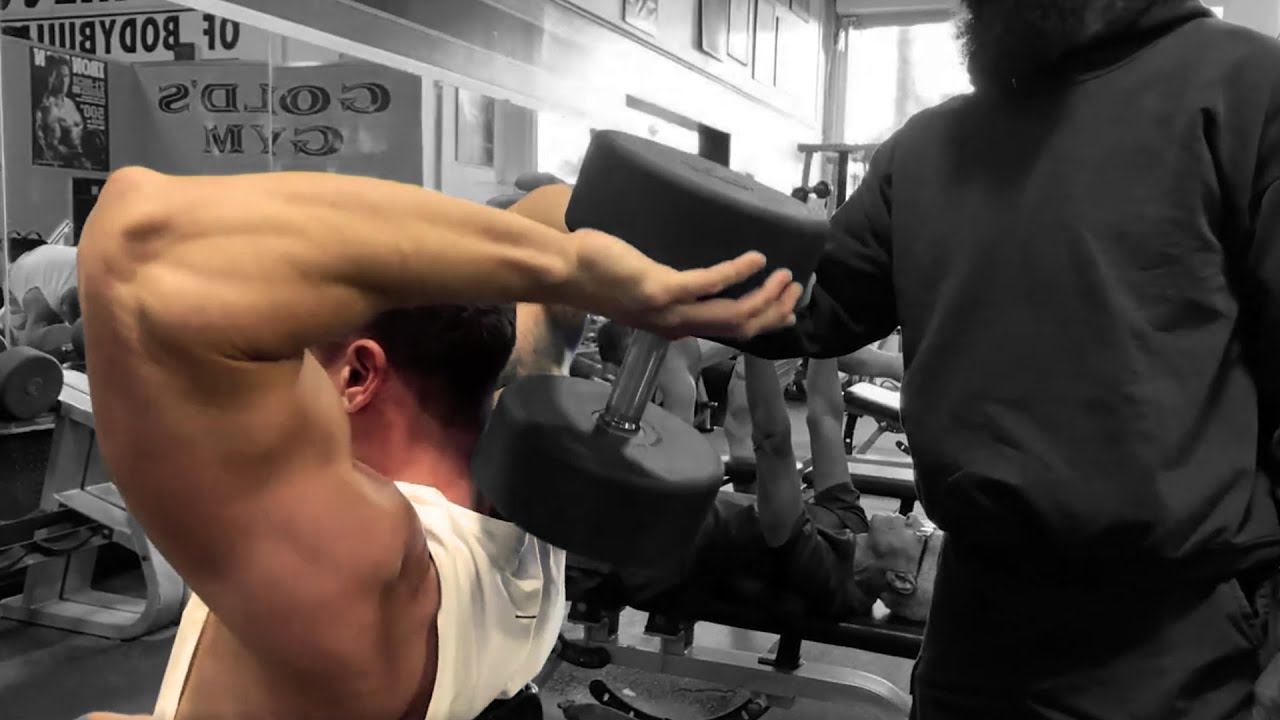
The triceps overhead exercise is a strength-training movement targeting tricep muscles, performed by raising a weight over your head and lowering it behind with control. Benefits include enhanced tricep strength and definition, improved arm stability, and better muscle balance. Beginners should use lighter weights, focus on form, and gradually increase weight. Avoid common mistakes like flaring elbows or using excess weight.

What Is the Triceps Overhead Press and How Does It Work?

The triceps overhead press is an effective strength training exercise that targets the triceps muscles located at the back of your upper arm. It can be performed using dumbbells, barbells, or resistance bands and is commonly included in upper body workouts to build arm strength and muscle definition. For muscle strength and growth, aim for 3 to 4 sets of 8 to 12 repetitions.

Left Menu Icon
Your Cart