Everything You Need to Know Before Getting a Calf Tattoo

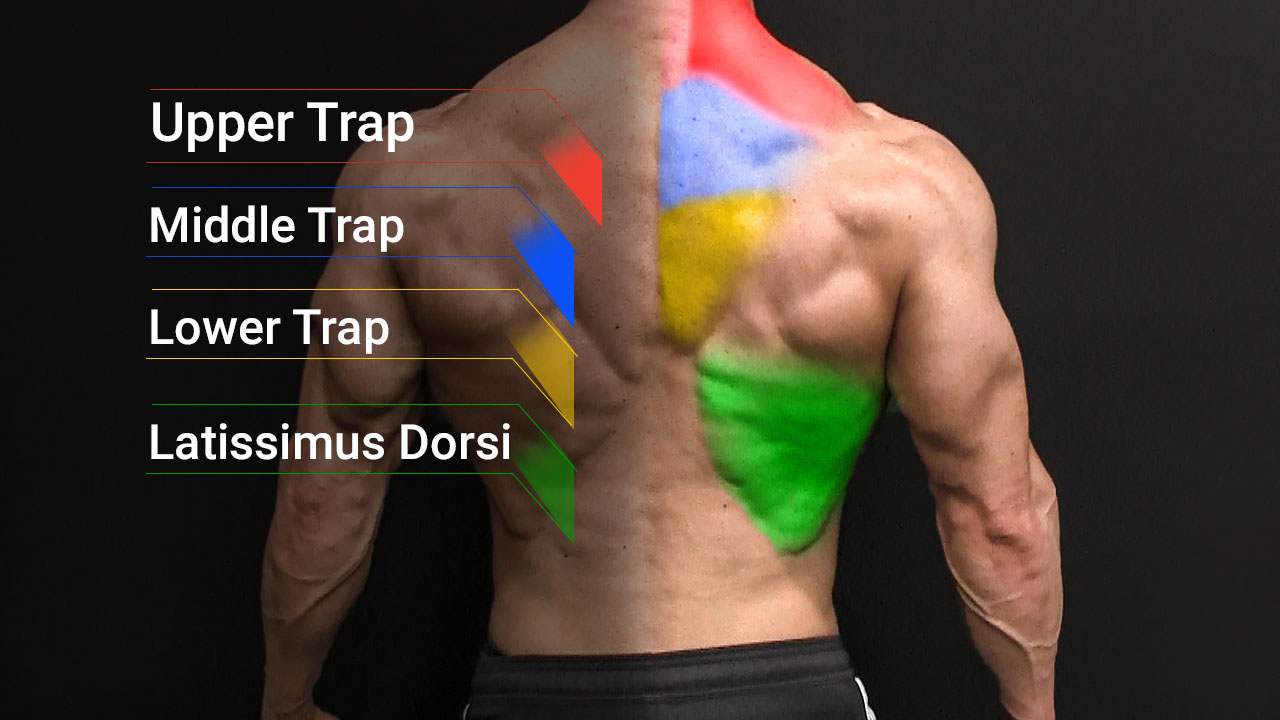
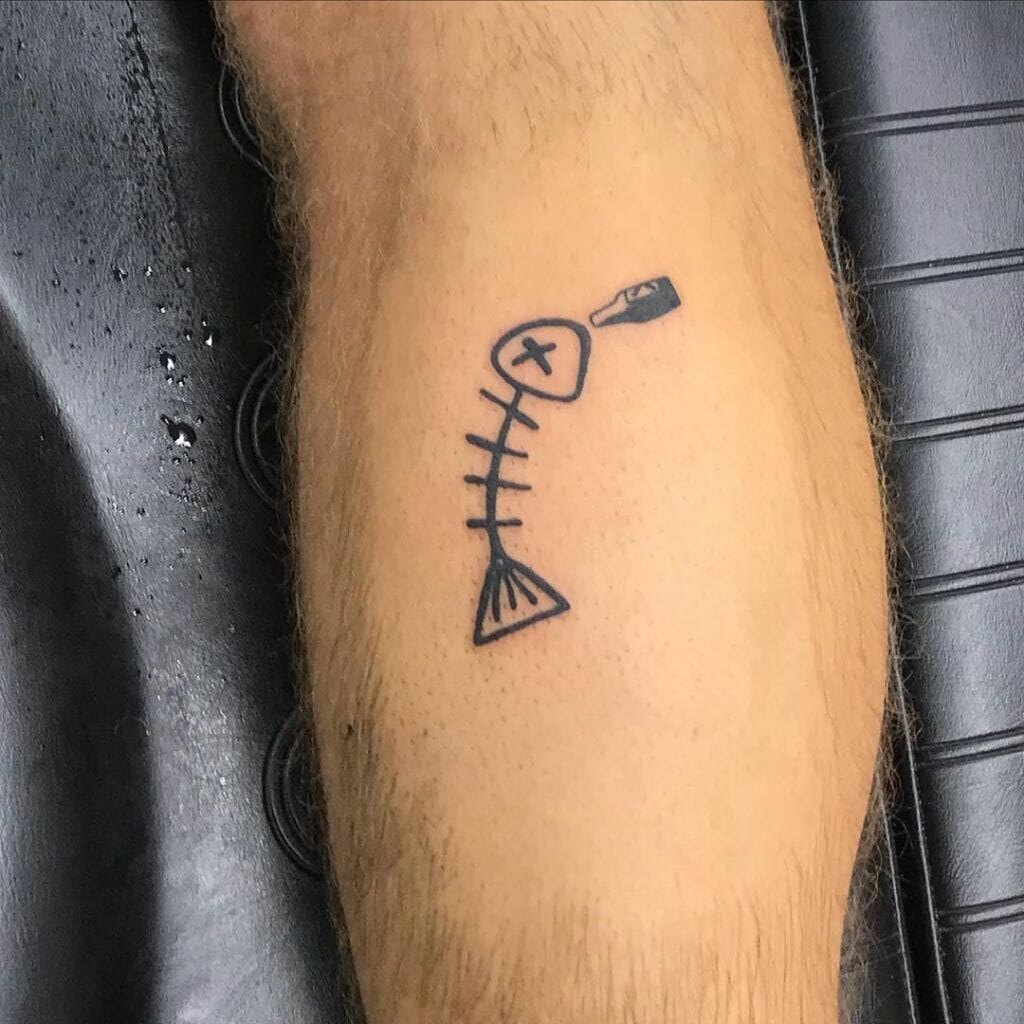
Calf tattoos are favored for their versatility, offering a canvas for intricate designs like tribal patterns, landscapes, and meaningful symbols. They’re generally considered medium to low pain due to thicker calf skin. Healing takes 2-4 weeks, requiring diligent aftercare and loose clothing to avoid irritation. Exercise moderation is advised to prevent complications. Selecting a skilled artist with an appealing portfolio and reputable studio is key for a satisfying experience.
Everything You Need to Know Before Getting a Shoulder Tattoo

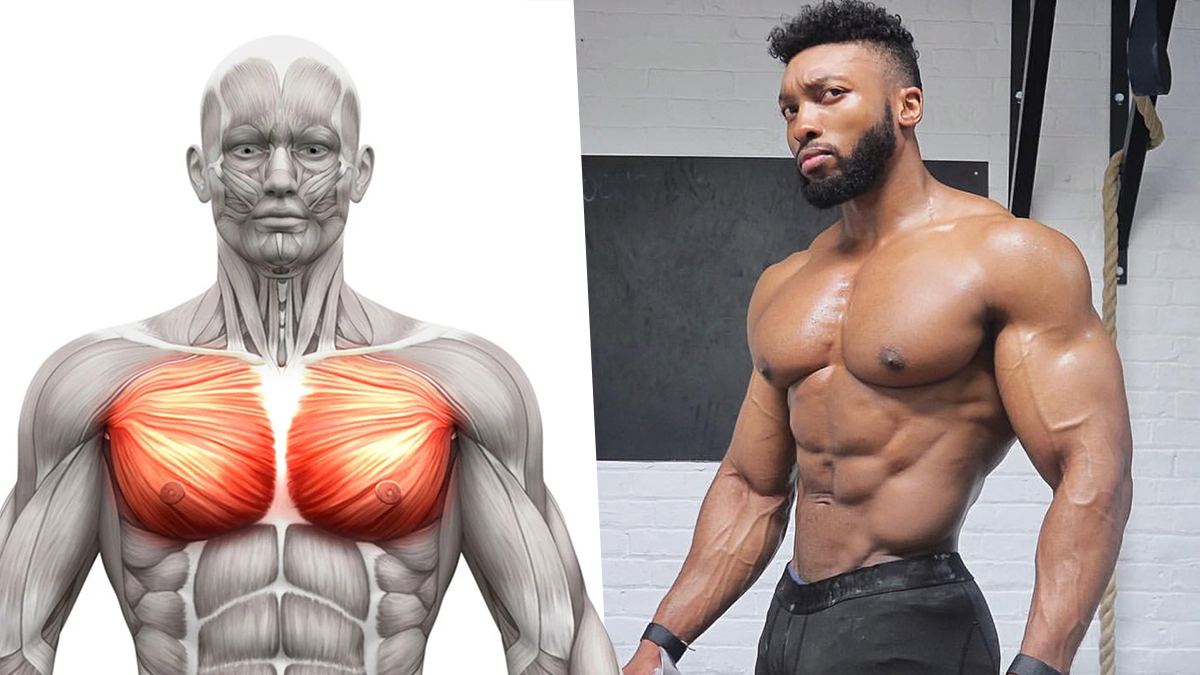
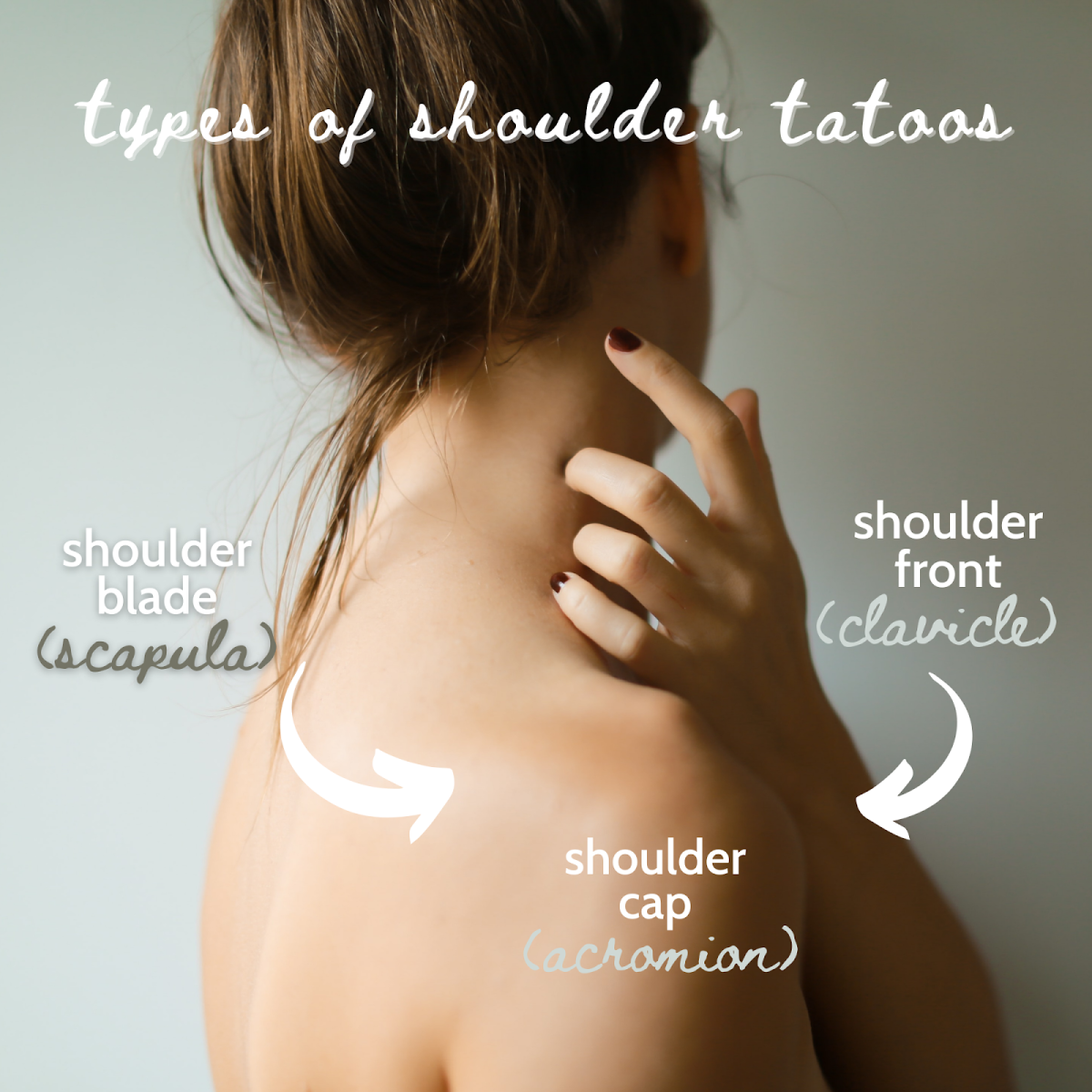
Shoulder tattoos are designs inked on or around the shoulder area, popular for their versatility and visibility while being coverable. Pain varies by tolerance and tattoo location, with areas near bones or joints typically more painful. Aftercare includes keeping the area clean and following the artist’s instructions. Avoid strenuous activities for 1-2 weeks post-tattooing. The time and cost for shoulder tattoos vary based on design complexity and size. Choose designs thoughtfully, and find reputable artists to ensure quality work. Removal is possible but costly, so consider designs carefully.

Should Bodybuilders Get Tattoos? Pros and Cons

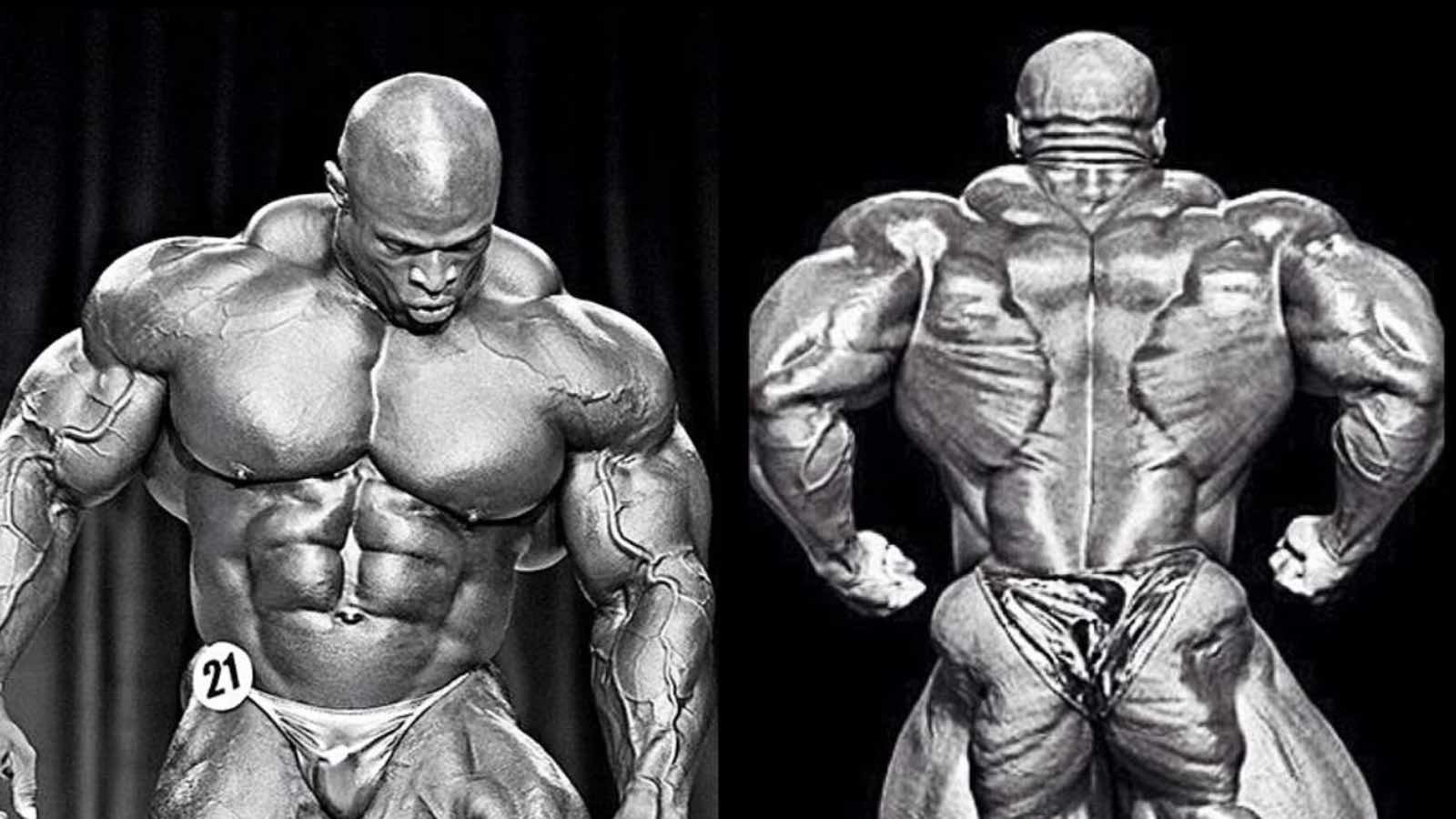
Bodybuilder tattoos are tailored to enhance muscular physique, varying in style and placement for desired aesthetic. They can accentuate muscle contours, but improper designs might conceal definition. Popular styles include tribal and geometric, adding depth to the physique. Tattoos can stretch with muscle growth, so strategic placement is crucial.

How Soon Can You Work Out After Getting a Tattoo? Guidelines

It’s generally advised to avoid working out after getting a tattoo for at least 48 to 72 hours to ensure proper healing. Sweat and friction can cause irritation and prolong the healing process. After this period, light exercises like walking or gentle yoga are safe. Intense workouts should usually wait for about two weeks.

Bodybuilding and Tattoos: All Info Before Getting Inked

Tattoos have become a popular form of expression among bodybuilders. Whether it’s to symbolize personal achievements, display art, or enhance their physique, bodybuilding tattoos are a unique aspect of the fitness culture. This FAQ answers common questions like: Do tattoos affect muscle growth? No, they don’t, but they may change appearance with muscle growth. Can tattoos impact training? Proper healing is essential, so avoid strenuous activities for at least two weeks.

Left Menu Icon
Your Cart