What is Dih cheese?

Dih cheese, or “Dahi,” is a traditional Indian dairy product made by fermenting warm milk with yogurt culture. It has a creamy texture and tangy flavor, often used in various dishes, from appetizers to desserts. Rich in probiotics, it aids digestion and enhances gut health.

How Many Carbs Are in a Medium-Sized Apple?

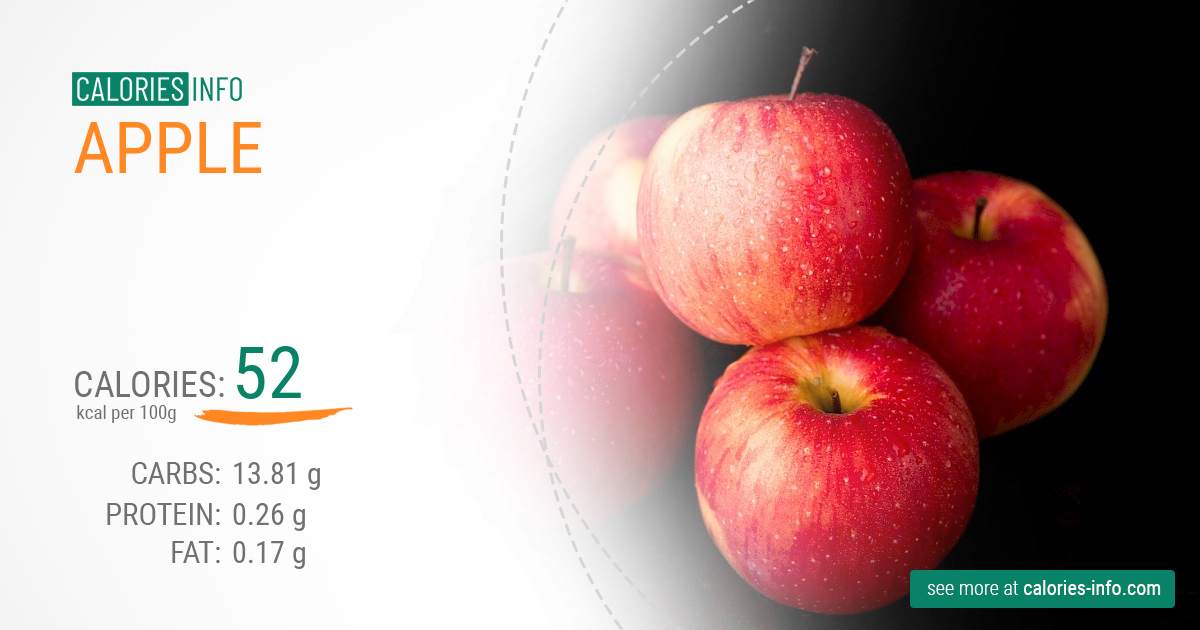
Apples are rich in carbohydrates, primarily sugars like fructose, glucose, and sucrose, alongside dietary fiber such as pectin that supports digestion. A medium apple contains about 25 grams of carbohydrates, including 19 grams of sugars and 4 grams of fiber. These carbs provide a gradual energy release, beneficial for workouts. Despite their carb content, apples have a low to medium glycemic index, making them suitable for stable blood sugar management and moderate consumption within a low-carb diet. Adding apples to a fitness diet can offer quick energy and help maintain fullness, preventing weight gain if eaten in moderation.

Do Eggs Contain Carbohydrates? Understanding Egg Nutrition

Eggs contain a minimal amount of carbohydrates, about 0.6 grams per large egg, making them ideal for low-carb diets. They provide high-quality protein and essential nutrients like vitamin D, B12, selenium, and choline. Their versatility remains unaffected by cooking methods, offering a consistent carb level whether boiled, fried, or scrambled.

What Are the Most Popular Items on the Burger King Menu?

The Burger King menu includes a variety of categories such as burgers, chicken sandwiches, sides, desserts, beverages, and breakfast items, offering options for all tastes and dietary needs. They provide vegetarian and vegan choices like the Impossible Whopper. Healthier options exist, like grilled chicken sandwiches or salads.

How to Choose the Freshest Tuna for Your Dishes

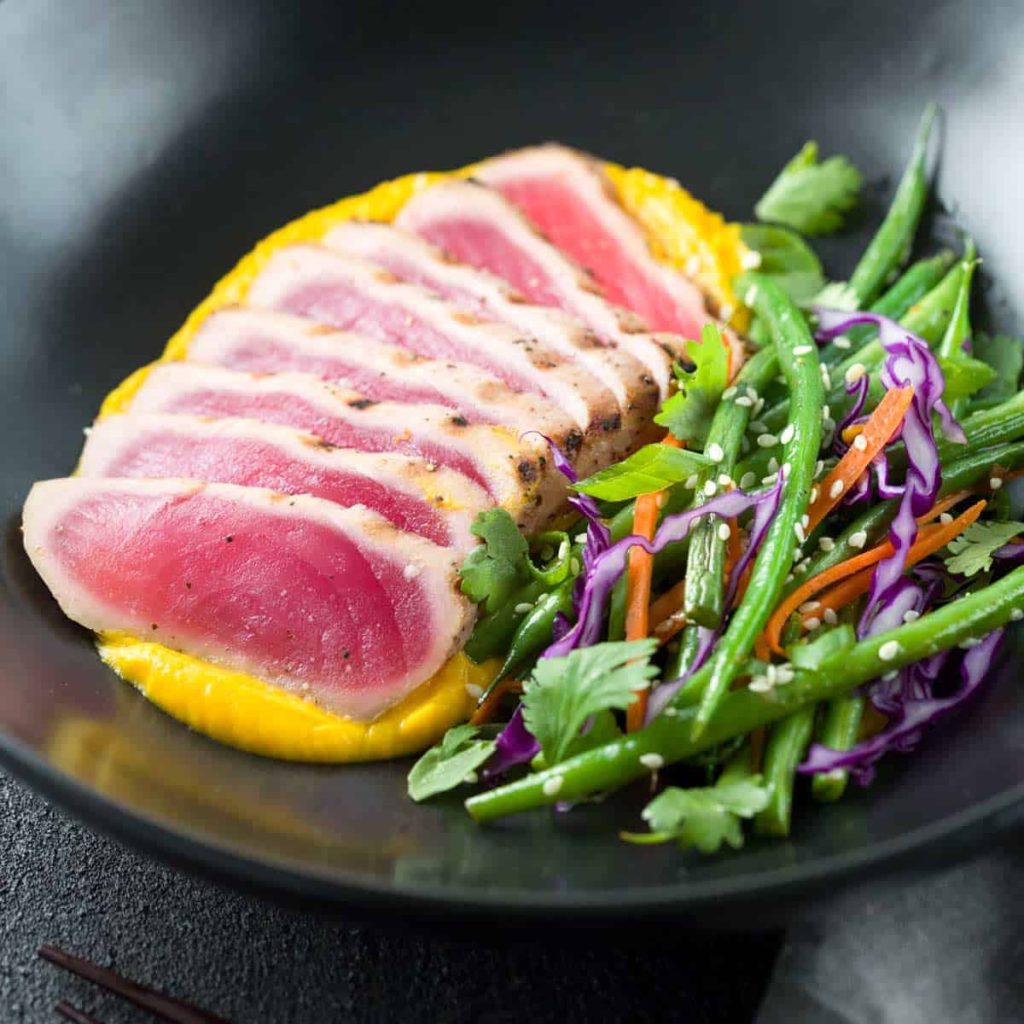
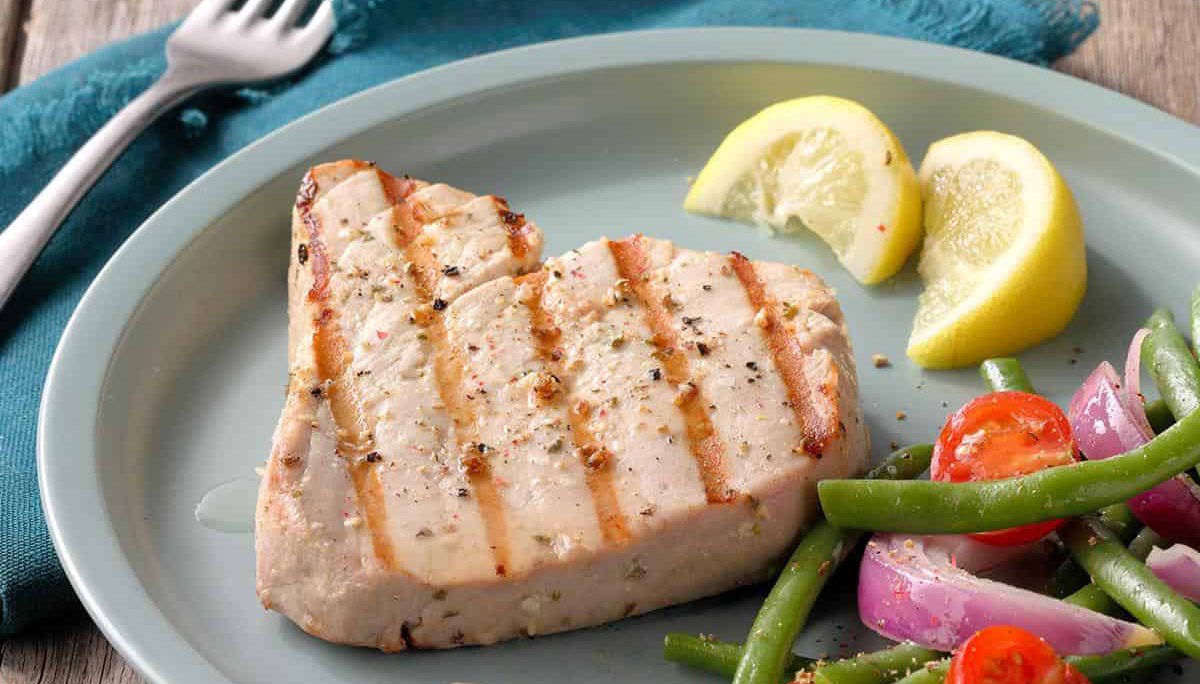
Tuna is a versatile ingredient used in dishes like tuna salad, casserole, and seared steaks. Sushi and sashimi are popular, offering unique flavors. Albacore, ideal for canned dishes, contrasts with the richer yellowfin and bluefin. While nutritious, moderation is key due to mercury.

What is Tuna Tartare and How is it Made?

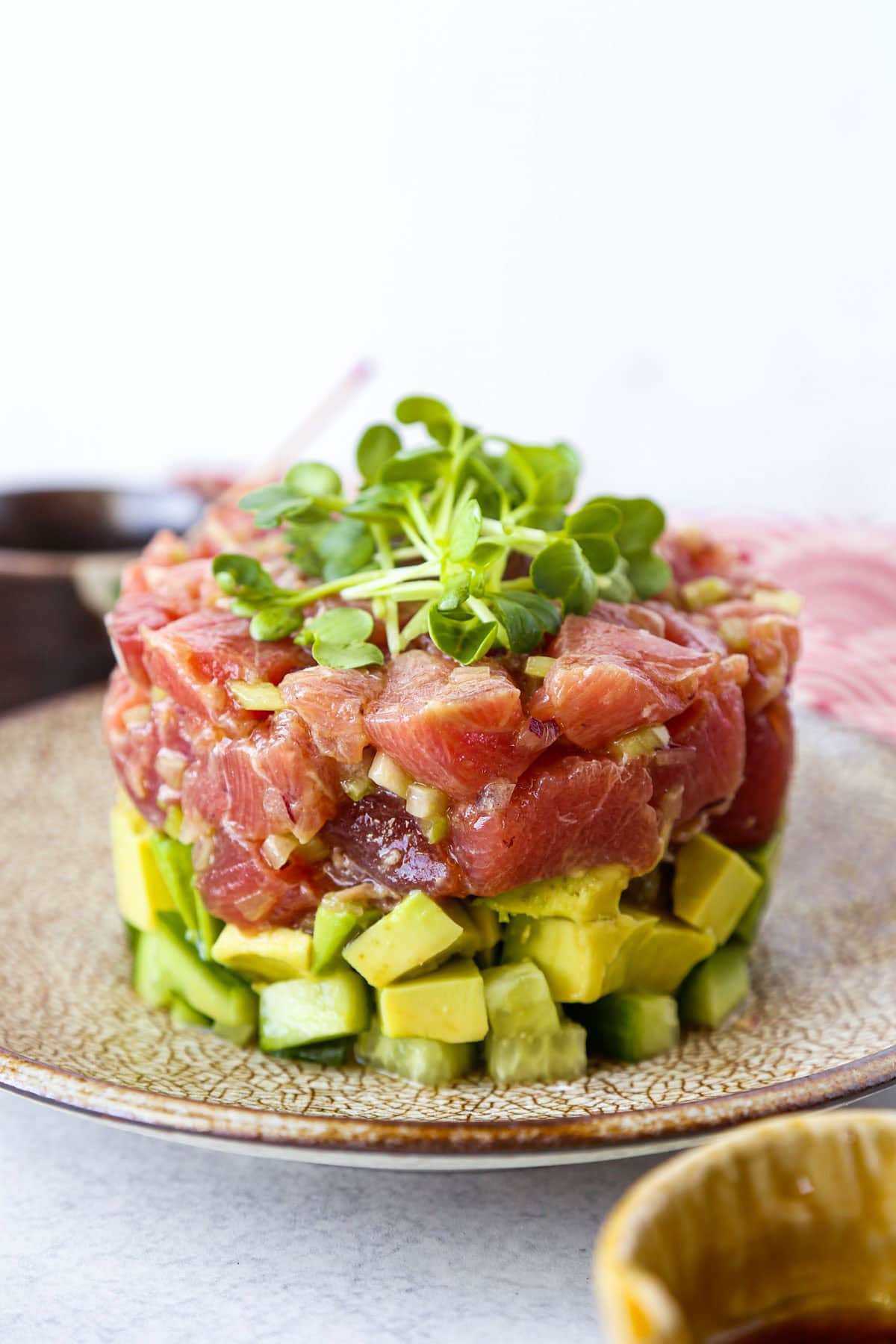
Tuna tartare is a dish made with finely chopped raw tuna, usually mixed with seasonings like soy sauce, sesame oil, and lime juice. It’s important to use sushi-grade tuna from a reputable supplier for safety. Tuna tartare can be customized with ingredients like avocado and cucumber, offering a delightful balance of flavors and a refreshing taste. It is high in protein and omega-3 fatty acids, making it a healthy option for those following fitness diets. Served with items like wonton chips, it brings a fresh, light zest to meals.

What Is a Tuna Melt and How Is It Different from a Regular Tuna Sandwich?

A tuna melt is a classic comfort food dish combining savory tuna salad and melted cheese, typically served on grilled bread with toppings like tomatoes or pickles. It’s a versatile sandwich blend that can be customized with ingredients like avocado or bacon. For a healthier twist, opt for whole grain bread and low-fat cheese. While best enjoyed fresh, the tuna mixture can be prepped ahead and stored for quick assembly. Enjoy this delicious favorite with various cheeses or even try a vegan version using plant-based substitutes.

What Are the Top High-Protein, Low-Calorie Foods?

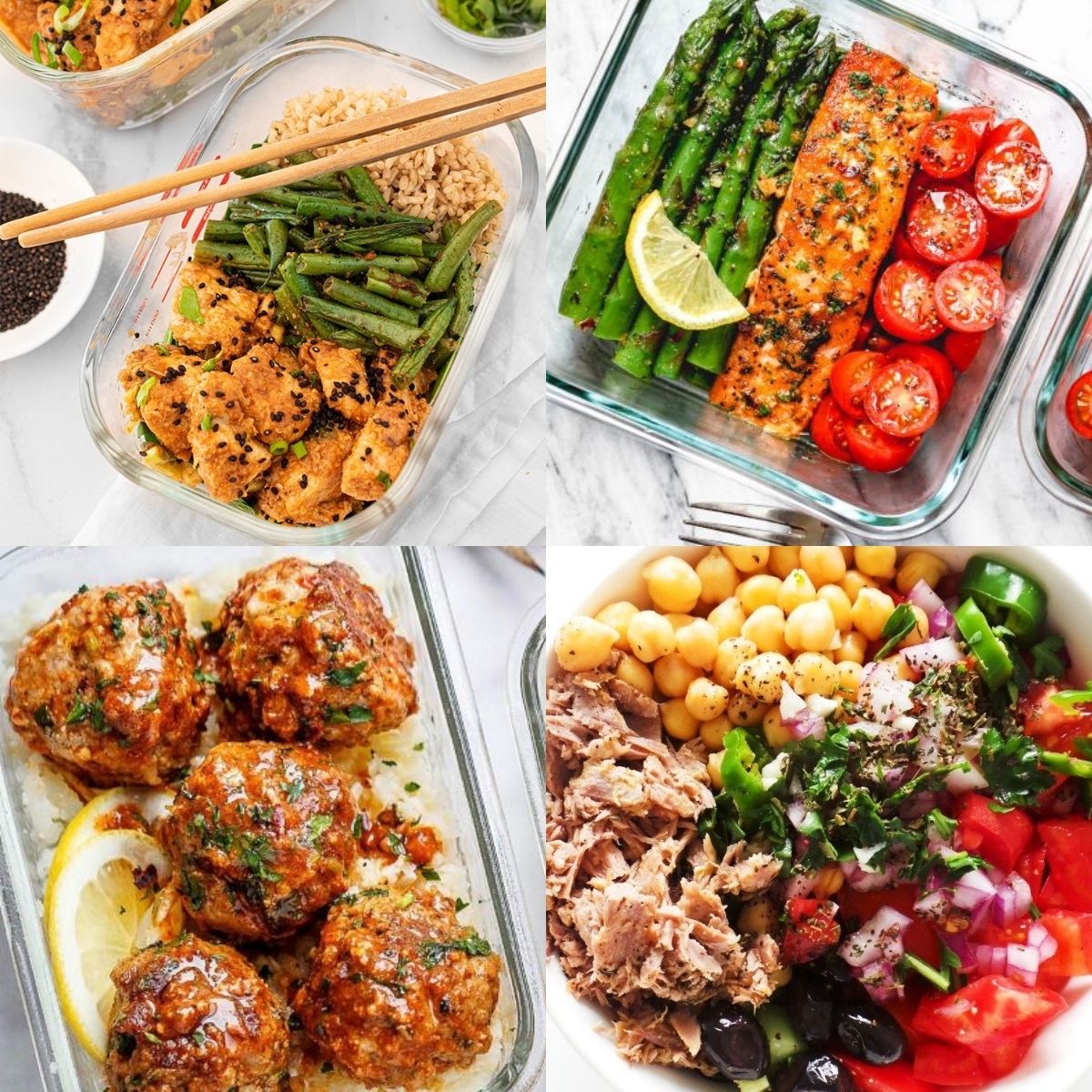
High protein, low calorie meals focus on maximizing protein intake while minimizing calories, ideal for muscle building, weight loss, or maintaining a healthy lifestyle. Common ingredients include chicken breast, fish, tofu, and legumes, paired with low-calorie veggies like spinach or bell peppers. These meals support muscle growth, weight management, and satiety, and can be personalized with plant-based proteins for vegetarians or vegans. Integrating these meals with regular physical activity can enhance weight loss efforts. Exploring different recipes can help tailor meals to individual preferences.


How Can I Prepare High-Protein Meals on a Tight Budget?

To maintain a high-protein diet on a tight budget, focus on staples like beans, lentils, eggs, canned tuna, and chicken thighs. Buying in bulk and choosing store-branded items help reduce costs. Cooking at home instead of eating out saves money while ensuring protein-rich meals. Plant-based options like chickpeas and tofu are budget-friendly.

What Makes Tuna a High-Protein Food?

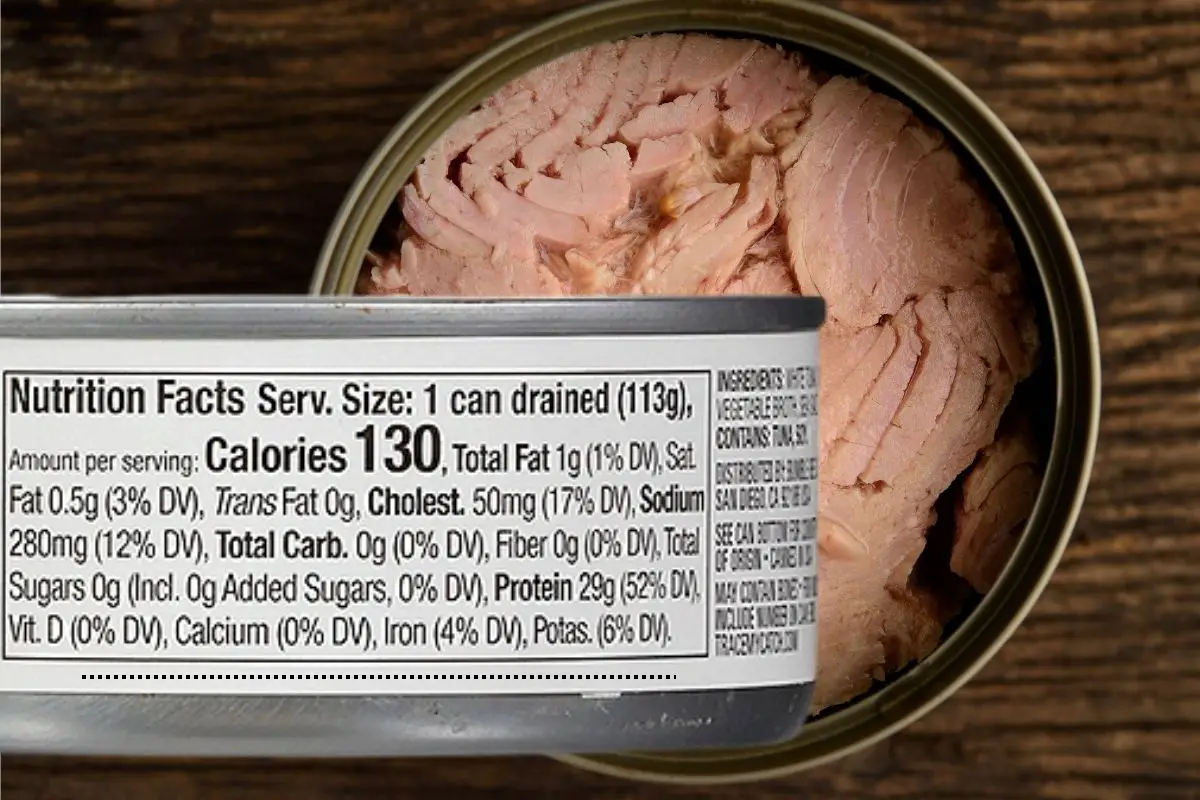
Tuna protein refers to the high-quality protein content found in tuna fish, offering a complete protein source with all essential amino acids. A typical 100-gram serving of tuna contains roughly 25 grams of protein, making it an excellent choice for muscle repair and growth. Additionally, tuna is low in calories and fat, enriched with omega-3 fatty acids, supporting heart health and aiding athletes by enhancing performance and reducing muscle soreness.

How Many Calories Are in an Egg White?

Egg whites are renowned for being a low-calorie, high-protein food. A single large egg white contains about 17 calories. Whole eggs have approximately 70 calories mostly due to the yolk. Egg whites are beneficial for muscle repair and growth but lack the nutrients found in yolks.

What Are the Nutritional Benefits of Egg Whites?

Egg whites are a high-protein, low-calorie food primarily composed of water and proteins like riboflavin and selenium. They have no fat or cholesterol, making them ideal for weight loss and muscle building. A single egg white provides about 3.6 grams of protein, supporting muscle maintenance and growth.

How to Perfectly Whip Egg Whites for Fluffy Desserts

Egg whites offer numerous health benefits, being low in calories and rich in protein, essential amino acids, vitamins, and minerals. They are adaptable in recipes, from meringues to omelets. Tips for perfect whipping include using a grease-free bowl and room temperature whites. Egg whites freeze well and are ideal for weight loss plans. For substitutions, aquafaba and silken tofu work well.

What Are Liquid Egg Whites and How Are They Made?

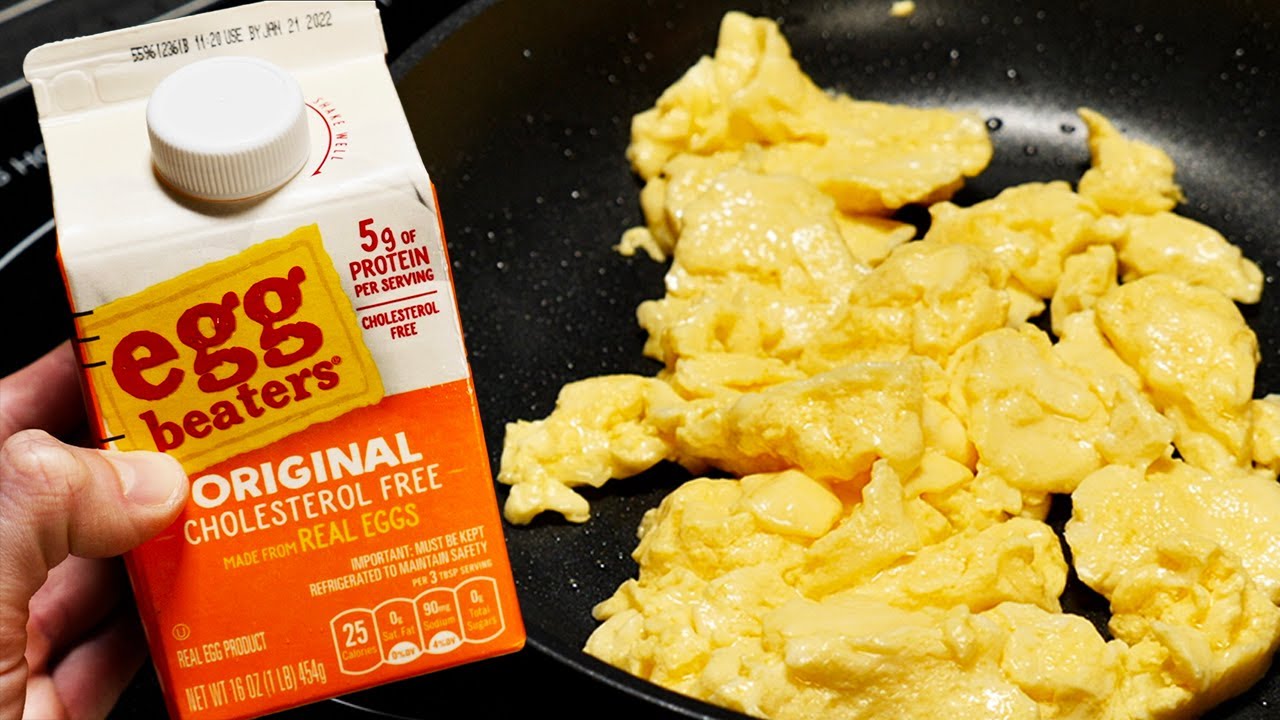
Liquid egg whites are the clear, viscous portion of an egg without the yolk, known for being high in protein and low in calories. They are often packaged in cartons or bottles, ensuring convenience and a longer shelf life. Many are pasteurized to minimize salmonella risk, making them safe to consume raw. A great protein source, they can be used in smoothies, scrambled for breakfast, or in baking. Available at most grocery stores, they offer a convenient, cholesterol-free alternative for fitness enthusiasts and those seeking easy meal prep solutions.

What is a Cutting Diet? A Comprehensive Guide for Beginners

FAQ on Effective Cutting Diets: A cutting diet focuses on losing body fat while preserving muscle mass, often utilized by bodybuilders. Start by reducing calorie intake by 15-25% and consume sufficient protein to maintain muscle. Include lean proteins, whole grains, fruits, and healthy fats. Aim for 1.0 to 1.5 grams of protein per pound of body weight.

How Many Grams of Protein Are in a Chicken Breast?

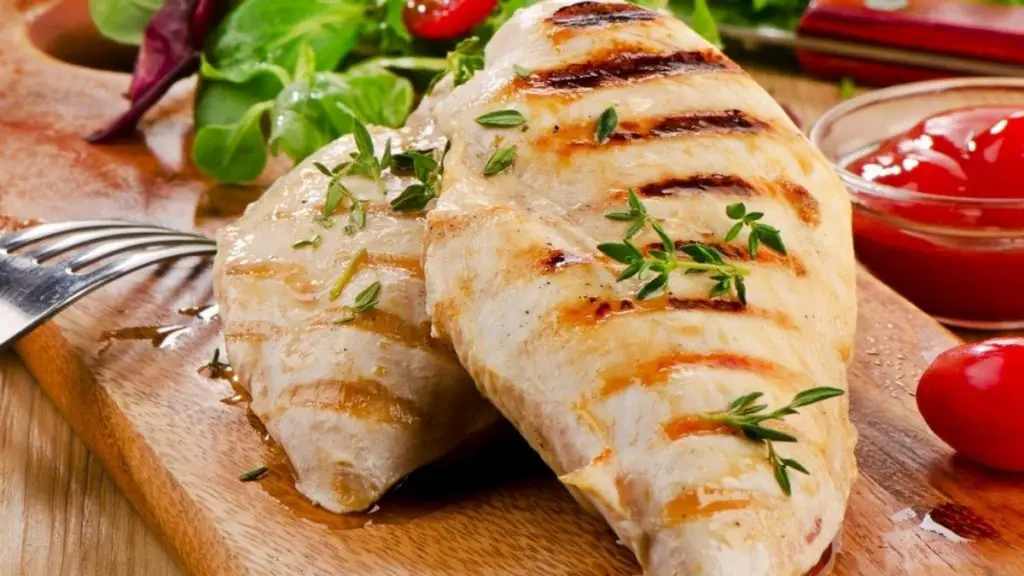
A typical 3.5-ounce (100-gram) serving of cooked, boneless, and skinless chicken breast contains about 31 grams of protein. This source of lean protein is ideal for muscle building. Cooking methods don’t significantly alter the protein content, though frying adds calories. Chicken breast compares favorably to other meats due to its low fat content.

How to Make a Perfect Egg Whites Omelette: Tips and Tricks

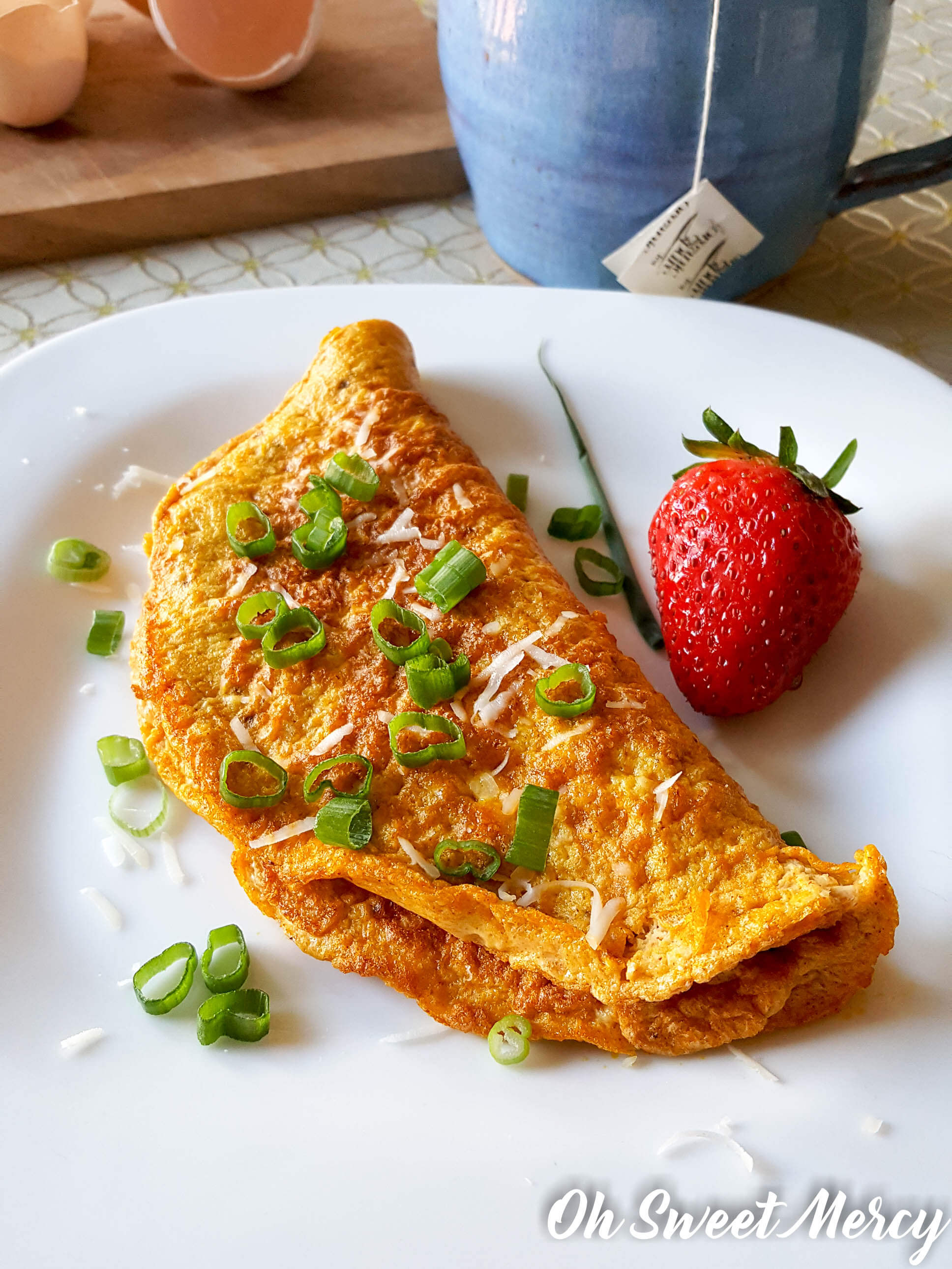
An egg white omelette is a dish made using only the whites of eggs, popular for its high protein and low calorie content. It’s often chosen for reducing cholesterol or building muscle. To enhance flavor, add herbs, vegetables, or spices. While easy to cook, it requires a slightly different technique than regular omelettes. Including lean meats can boost protein content, aligning well with fitness goals. It’s beneficial for weight loss due to its satisfying protein levels and can be paired with vegetables for added nutrition.

How Much Protein is in a Chicken Breast?

Chicken breast is an excellent source of lean protein, providing around 31 grams per 100 grams. It is favored for its high protein and low fat, making it ideal for muscle growth and repair. Cooking methods like grilling retain its protein. It aids in weight loss and heart health, making it versatile for various diets.

How Much Protein is in 100g of Chicken Breast?

Chicken breast, known for its high protein and low fat content, offers about 31 grams of protein per 100g serving. With only 165 calories, it’s a top choice for fitness enthusiasts aiming to build muscle or lose weight. This lean protein source is versatile enough for various dietary plans, contributing to satiety while supporting nutritional needs.

How Much Protein Is in Different Types of Tuna?

Tuna is a popular choice for increasing protein intake with about 24 to 27 grams per 100 grams serving. Fresh and canned tuna have similar protein levels, making both options convenient. Compared to other proteins like chicken, tuna offers a comparable protein amount with lower fat. Eating tuna supports muscle building, is rich in omega-3 fatty acids, and can aid in weight loss due to its high protein and low-calorie content. However, it’s important to be mindful of mercury levels and consume in moderation.

Top 10 Frequently Asked Questions About Muscle Gain Meal Plans

A muscle gain meal plan is a structured nutritional guide to help individuals increase muscle mass, including a balance of proteins, carbs, and fats. Typically, it requires consuming 250-500 calories above daily maintenance needs, with 4-6 meals per day. Key components are proteins for muscle repair, carbohydrates for energy, and fats for hormone production. Supplements like protein powders and creatine can complement your plan. Hydration is crucial in maintaining energy and recovery. Customization is vital to meet individual needs and dietary restrictions, with consistent monitoring for optimal results.

What Are High-Protein Meal Delivery Services?

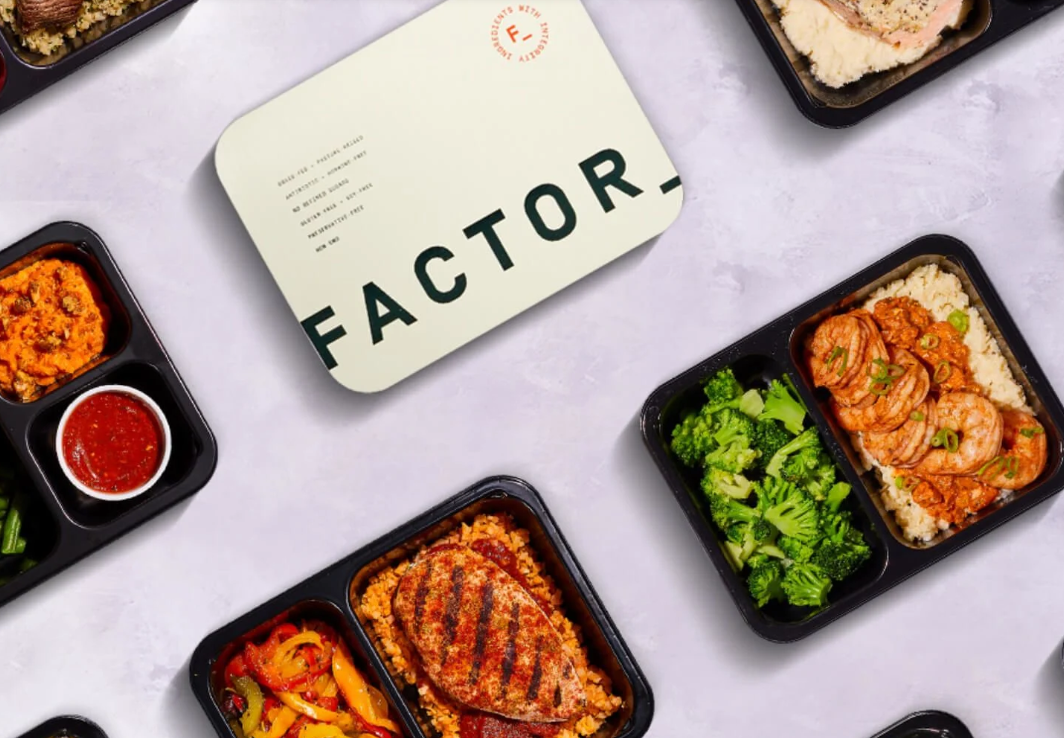
High protein meal delivery services provide convenient, ready-to-eat meals rich in protein to support muscle growth, weight management, or overall health. These are ideal for fitness-focused individuals, busy professionals, or anyone looking to increase their protein intake without meal prep. Meals are curated by nutritionists or chefs to ensure taste and balance.

What Are the Best Protein Sources for High Protein Muffins?

High protein muffin recipes feature greater protein content using ingredients like protein powder, Greek yogurt, almond flour, or eggs, perfect for fitness enthusiasts or those boosting protein intake. They support muscle recovery and growth, and vegan and other dietary-friendly options are available.

Top 10 Affordable High-Protein Foods for Budget Shoppers

Affordable high-protein foods such as eggs, canned tuna, lentils, Greek yogurt, cottage cheese, and peanuts provide substantial protein content without high costs, making them ideal for those on a budget aiming to boost protein intake. Incorporating these options supports muscle repair and growth efficiently.

What Are the Best High-Protein Chicken Recipes for Meal Prep?

Chicken is a versatile and lean source of protein, ideal for high-protein recipes. A 3-ounce serving provides about 27 grams of protein. To boost protein in chicken dishes, add ingredients like Greek yogurt or quinoa. High-protein chicken meals can aid weight loss by increasing satiety.

What Are Some Quick and Easy Protein-Packed Breakfast Ideas?

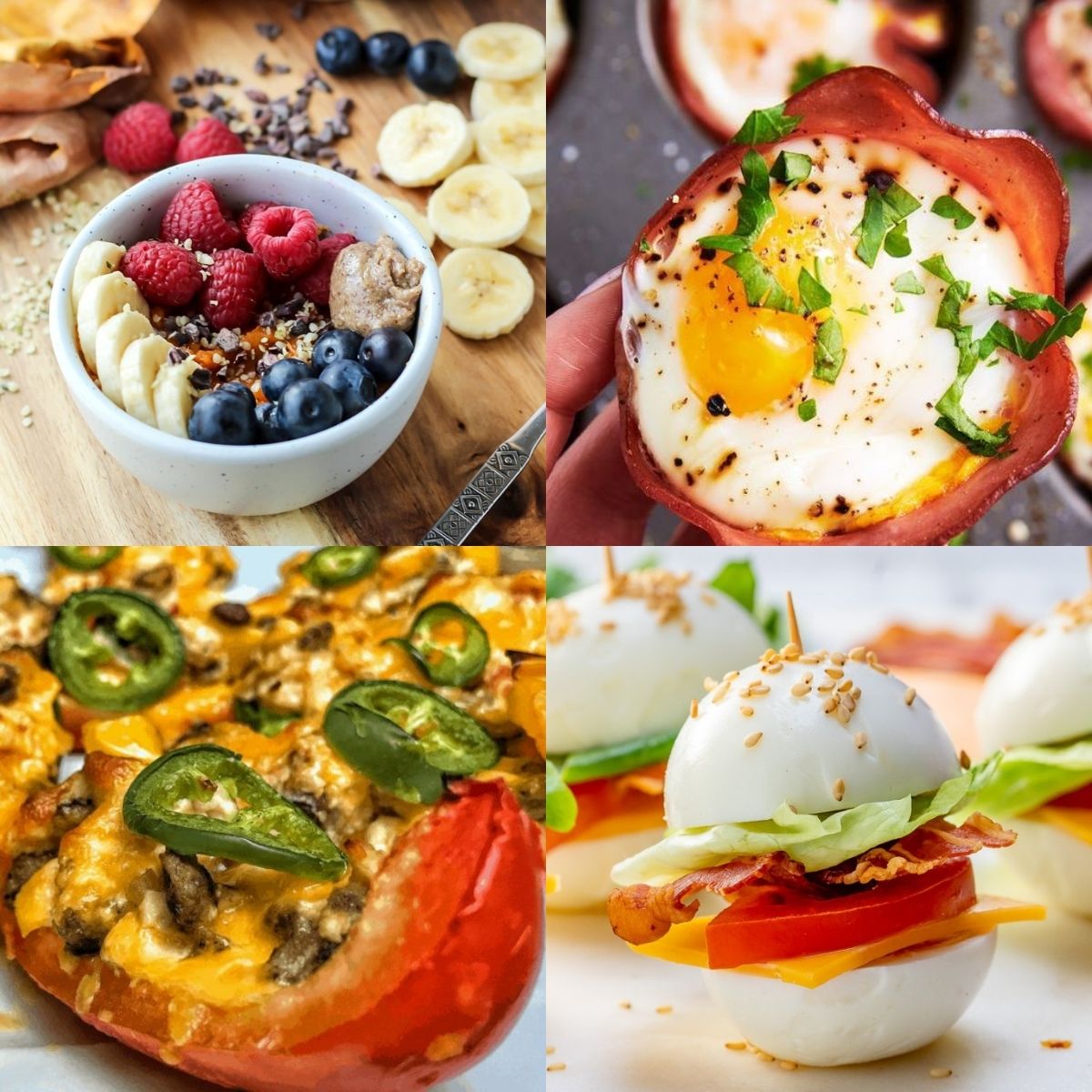
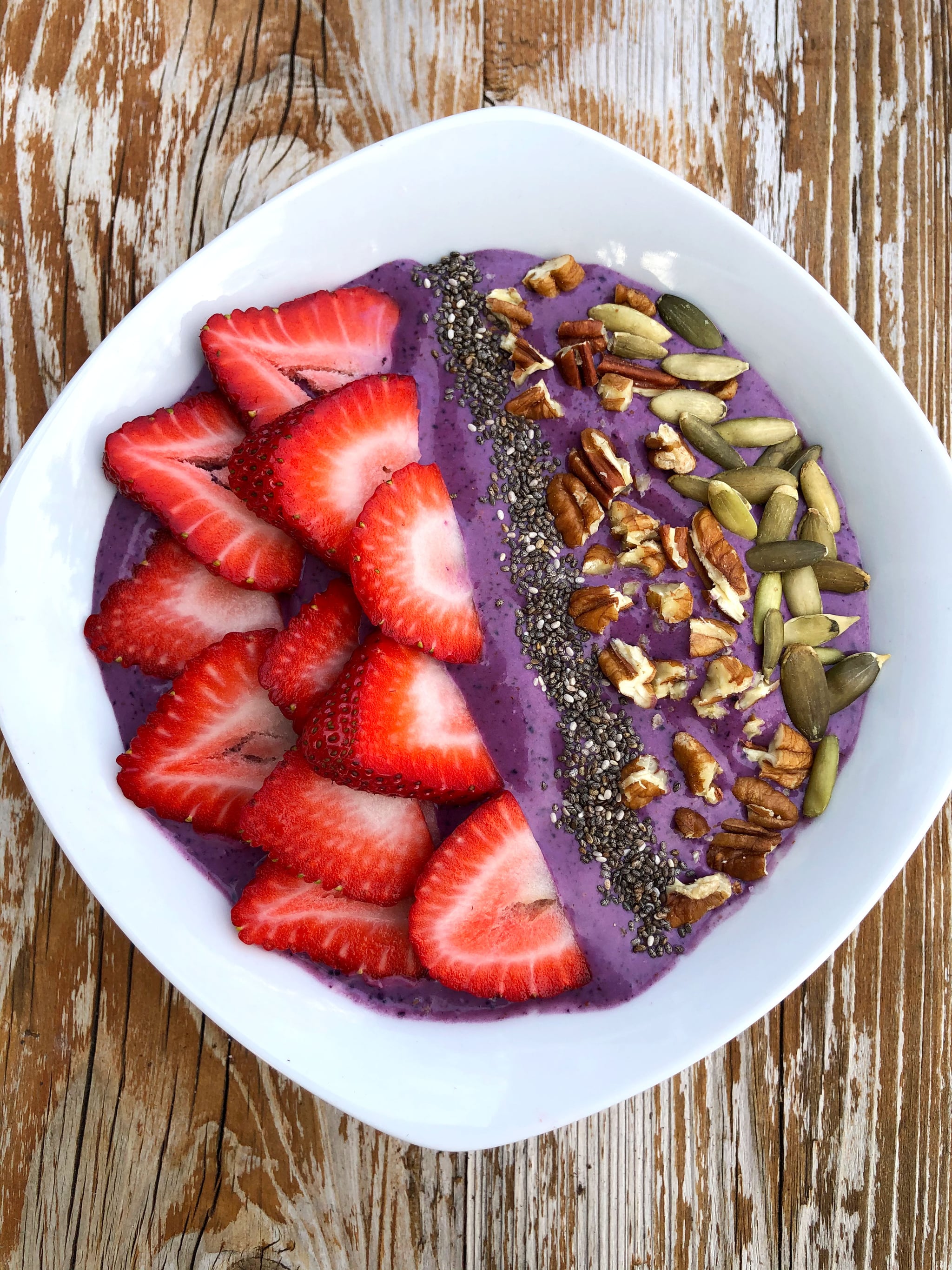
Starting your day with a nutritious breakfast can set the tone for the rest of your meals. Some quick and easy high-protein breakfast ideas include scrambled eggs with spinach and feta, Greek yogurt with nuts and berries, or a protein smoothie made with banana, almond milk, and protein powder.

What is a High-Protein Diet Plan?

A protein high diet plan focuses on consuming a significant portion of calories from protein-rich foods, aiming to support muscle growth, maintain lean body mass, and aid weight loss by increasing satiety. It’s beneficial for athletes, bodybuilders, and those maintaining or losing weight.

What is a Protein Diet and How Can It Benefit My Lunch Routine?

A protein diet lunch focuses on meals rich in high-protein foods like lean meats, fish, eggs, and plant-based options such as tofu and beans. This approach aids in muscle building and weight management by increasing satiety and maintaining energy levels. It’s crucial to balance protein intake with other nutrients such as healthy fats and carbohydrates for a well-rounded diet. Whether pursuing weight loss or muscle gain, a high-protein lunch supports these goals. However, excessive protein can lead to health issues, so consulting a nutritionist for personalized advice is recommended.

The Best High-Protein Vegan Ingredients to Use in Recipes?

In a vegan diet, high protein sources include legumes like lentils and chickpeas, beans such as black beans and kidney beans, and a variety of nuts and seeds like almonds, chia seeds, and hemp seeds. Quinoa, tofu, tempeh, and edamame are also excellent protein-rich options. By incorporating a mixture of these foods into meals, vegans can meet their protein needs effectively.

The Best High-Protein, No-Carb Ingredients to Stock Up On?

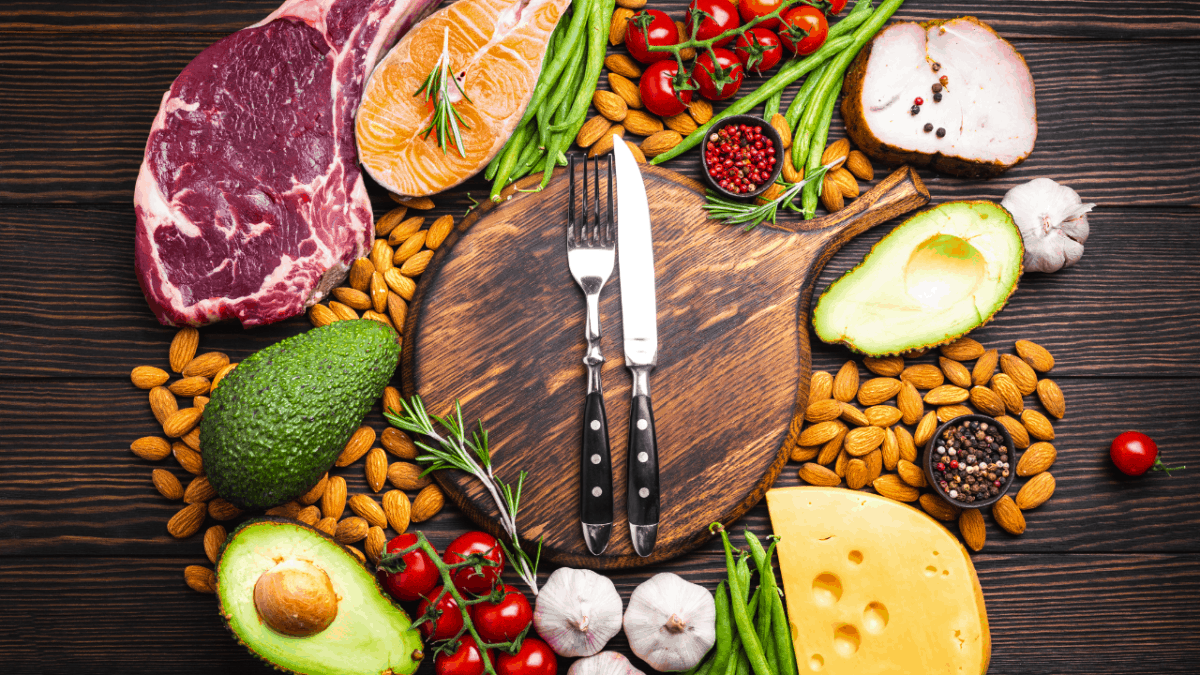
High protein no-carb recipes focus on ingredients like meats, seafood, eggs, and dairy, ideal for boosting protein intake without carbs. These recipes benefit low-carb diets like ketogenic or Atkins, aiding weight loss and muscle growth by enhancing metabolism and reducing appetite. For vegetarians, options include tofu and cheese.

Left Menu Icon
Your Cart