Adipotide ftpp
TABLE OF CONTENTS

In the world of weight management and fitness, the quest for an effective solution often leads to exploring cutting-edge scientific advancements. One such promising innovation is Adipotide ftpp, a research peptide with considerable potential in reducing body fat. Originally developed by scientists for targeting and diminishing unwanted fat, Adipotide ftpp has garnered attention in the fitness community for its potential benefits related to weight loss.
Understanding Adipotide ftpp
Adipotide ftpp is a synthetically designed peptide with a unique function of targeting the blood supply to fat cells. By disrupting the blood flow to these cells, it aims to trigger apoptosis, or cell death, in fat-storing cells. This innovative approach means body fat can be reduced effectively without invasive procedures. However, it is critical to understand that Adipotide ftpp is still primarily in the research phase and has not yet been approved by official medical authorities for everyday human use. 🔬
Potential Benefits of Adipotide ftpp
The most notable potential benefit of Adipotide ftpp is its application in weight loss strategies. For individuals involved in #Bodybuilding, #Powerlifting, or #Heavyweightlifting, maintaining optimal body composition is crucial. The peptide may offer a novel method for reducing fat without impacting muscle mass, which is highly advantageous for athletes and fitness enthusiasts. Moreover, the peptide’s mechanism does not rely on increasing metabolism or suppressing appetite, providing an alternative for those who may struggle with these traditional methods.
Research and Safety Considerations
While the initial results of Adipotide ftpp are promising, it is important to approach it with caution. The peptide is currently under extensive research to understand its long-term effects and safety profile. Studies in animal models have shown positive outcomes, but human trials are necessary to establish its efficacy and safety comprehensively. Therefore, anyone considering the use of Adipotide ftpp should do so under professional guidance and consultation. ⚠️
Conclusion
Adipotide ftpp presents an intriguing possibility in the realm of weight management and bodybuilding. Its unique approach to reducing body fat at the cellular level could revolutionize strategies for achieving a leaner physique. Nonetheless, due to its experimental status, it should be approached with caution and responsibility.
BIG SALE | FAST SHIPPING
HOT PROMOTIONS!





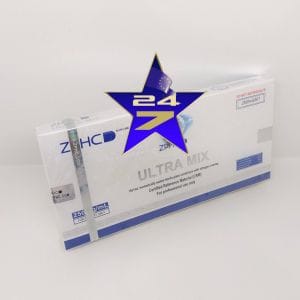
ZPHC UltraMix 1ml amps x 10 amps - 1ml = 250mg
Original price was: $ 259.00.$ 179.00Current price is: $ 179.00.



FAQs
1. Is Adipotide ftpp safe for human use?
Adipotide ftpp is still under research and not officially approved for human use. Always consult a healthcare provider before considering its use. 🏋️♀️
2. How does Adipotide ftpp work?
It targets the blood supply to fat cells, inducing cell death in adipose tissue, thereby reducing fat levels.
3. Can Adipotide ftpp help with bodybuilding?
While still experimental, it may assist in refining body composition by specifically targeting fat without affecting muscle.
#Bodybuilding, #Bodybuildingmotivation, #Powerlifting, #Bodybuilder, #Heavyweightlifting, #Workoutathome, #stayfit, #bodybuilding
Adipotide, also known as FTPP, is a peptide originally developed as a research compound aimed at addressing obesity through a unique mechanism of action. Unlike traditional weight loss agents that often focus on metabolic pathways or appetite suppression, Adipotide targets the blood supply to white adipose tissue, which is primarily responsible for energy storage. By interfering with the vasculature of fat cells, Adipotide induces apoptosis, or programmed cell death, leading to a reduction in adipose tissue mass. Although initially yielding promising results in preclinical studies, particularly in obese rhesus monkeys, the compound’s journey to potential therapeutic use has been fraught with challenges. Concerns about off-target effects, safety, and long-term implications have necessitated cautious and thorough investigation before any mainstream application can be realized. Despite these hurdles, Adipotide’s novel approach continues to intrigue researchers looking for innovative solutions to the global epidemic of obesity.