Affording Semaglutide: How Insurance Can Help Manage Costs
TABLE OF CONTENTS

The rising cost of medications is a significant concern for many individuals. Among these, semaglutide—a medication used to manage type 2 diabetes and facilitate weight loss—has gained popularity, but it also comes with its own financial considerations. As it becomes a central element in treatment plans, understanding the semaglutide cost with insurance is crucial for patients and healthcare providers alike.
The Role of Semaglutide
Semaglutide, marketed under names like Ozempic and Wegovy, belongs to a class of drugs known as GLP-1 receptor agonists. It’s praised for its effectiveness in controlling blood sugar levels and supporting weight reduction. As its use expands beyond diabetes management to weight loss in non-diabetic individuals, the interest and demand for semaglutide have surged.
Factors Affecting Semaglutide Cost with Insurance
The semaglutide cost with insurance can vary widely based on several factors:
-
- Insurance Plan: Different insurance plans provide varying levels of coverage. Some may cover the medication entirely, while others only partially, resulting in higher out-of-pocket expenses for patients.
-
- Location: Pharmaceutical pricing can differ significantly by region due to the cost of living and state-specific insurance mandates.
-
- Pharmacy Benefits: Pharmacy networks and preferred providers as dictated by insurance plans can impact the price.
Reducing the Semaglutide Cost with Insurance
Patients looking to reduce their semaglutide cost with insurance may consider several strategies:
-
- Generic Alternatives: While semaglutide is a brand name, looking for alternatives or waiting for a generic version might be a cost-effective option in the future.
-
- Manufacturer Coupons and Assistance Programs: Many pharmaceutical companies offer coupons or patient assistance programs for those who qualify, which can substantially reduce costs.
-
- Doctor’s Assistance: Healthcare providers may help patients navigate available cost-saving options and ensure the best possible alignment with insurance benefits.
Conclusion
Managing the semaglutide cost with insurance requires a nuanced understanding of one’s health insurance plan and available options. While the financial burden can be significant, proactive measures such as exploring insurance details and considering assistance programs can help alleviate expenses. Overall, an informed approach can ensure that patients continue to benefit from semaglutide without overwhelming financial stress.
FAQs on Semaglutide Cost with Insurance
1. Does insurance typically cover semaglutide?
Coverage varies widely; it’s essential to check with your specific insurance provider to understand how much of the semaglutide cost will be covered.
2. Are there ways to lower the out-of-pocket cost for semaglutide?
Yes, utilizing manufacturer coupons, enrolling in patient assistance programs, and reviewing insurance plans may help reduce out-of-pocket expenses.
3. Can switching insurance plans affect the cost of semaglutide?
Switching plans can indeed affect pricing. It’s recommended to consult with insurance experts to determine the plan that offers the best coverage for semaglutide.
For more information and updates on related topics, stay tuned to our posts.
Follow us for more: #Bodybuilding #Bodybuildingmotivation #Powerlifting #Bodybuilder #Heavyweightlifting #Workoutathome #stayfit #bodybuilding
BIG SALE | FAST SHIPPING
HOT PROMOTIONS!

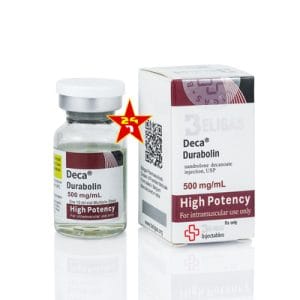

STADA MEGA CUTS BLEND 300 MG 10ML (TRENBOLONE)

Original price was: $ 129.00.$ 119.00Current price is: $ 119.00.
Fierce nandrolone decanoate 300 / ml 10ml

Original price was: $ 131.00.$ 119.00Current price is: $ 119.00.




CROWX 👑 CLOMIROW 50 Mg / 50 Tabs ( Clomid )
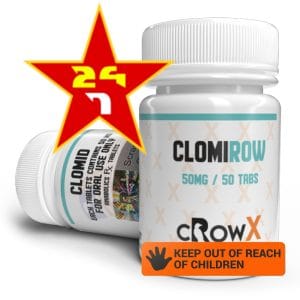
Original price was: $ 79.00.$ 69.00Current price is: $ 69.00.
Semaglutide, a medication used primarily for managing type 2 diabetes and aiding weight loss, can vary significantly in cost when insurance is factored in. For those with comprehensive health plans that cover brand-name drugs, copayments or coinsurance might reduce the out-of-pocket expense considerably, making semaglutide more accessible. However, insurance plans differ widely in their coverage specifics, so some individuals might face higher costs if their plan categorizes semaglutide under a more expensive tier or requires prior authorization. Additionally, some insurance providers might require patients to try less costly alternatives before approving semaglutide. For patients under Medicare, costs can also vary, and those in the coverage gap, or “donut hole,” may find themselves paying more out-of-pocket. Pharmaceutical companies sometimes offer savings programs or coupons to offset expenses for those facing high costs due to inadequate insurance coverage. Navigating insurance for semaglutide requires careful review of one’s benefits and potential assistance programs to minimize financial strain.