
Anabolic Steroids: Enhancing Performance or Risking Health?
TABLE OF CONTENTS

Steroids are organic compounds utilized for a broad range of applications. While they are often associated with athletics and bodybuilding, their uses extend far beyond these domains. This article explores three distinct types of steroids: anabolic-androgenic steroids, corticosteroids, and mineralocorticoids, outlining their purposes, effects, and informed use.
1. Anabolic-Androgenic Steroids
Anabolic-androgenic steroids (AAS) are synthetic variations of the male hormone testosterone. They are primarily used to increase muscle mass and enhance physical performance. Individuals seeking athletic improvement or faster muscle recovery frequently turn to AAS.
However, their misuse can lead to severe health issues such as liver damage, cardiovascular problems, and hormonal imbalances. For those interested in learning more about the responsible use of AAS, SteroidPlanner provides an in-depth online resource.
Despite their controversial status, AAS remain popular among athletes and bodybuilders. Some opt for legal alternatives to avoid potential legal repercussions and health risks, exploring platforms like John Doe Bodybuilding for advice and guidance.
2. Corticosteroids
Corticosteroids are a class of steroids extensively used in the medical field to treat a wide range of conditions, including inflammation, allergies, and autoimmune diseases. Unlike anabolic steroids, their focus is on reducing inflammation and suppressing the immune system.
Commonly administered as oral tablets, creams, or injections, corticosteroids provide relief for various conditions but come with potential side effects such as weight gain, hypertension, and mood swings, especially with prolonged use.
Healthcare providers carefully monitor corticosteroid treatments to mitigate risks, ensuring that the benefits outweigh any adverse effects. Detailed drug profiles and patient resources can be found on Steroid.com.
3. Mineralocorticoids
Mineralocorticoids, such as aldosterone, regulate electrolyte and water balance in the body, playing a crucial role in maintaining blood pressure. These steroids are not commonly discussed in fitness or bodybuilding communities but hold significant importance in treating conditions like Addison’s disease.
Their primary action is to influence kidney function, retaining sodium and excreting potassium, thereby affecting fluid balance. Though essential for health, imbalances can lead to complications like hypertension or electrolyte disturbances.
For a more comprehensive understanding of steroid variations and their implications, the online platform Ulaska offers access to a range of educational resources and products.
FREE SHIPPING
HOT PROMOTIONS!
BIG SALE | FAST SHIPPING
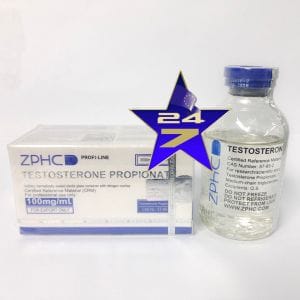

Fierce testosterone propionate 100mg / ml 10ml

Original price was: $ 72.00.$ 69.00Current price is: $ 69.00.
illustra** Grey Tops HGH 99.8% Purity 24iu x 1 vial

Original price was: $ 144.00.$ 109.00Current price is: $ 109.00.





Conclusion
Understanding the different types of steroids and their applications is crucial for responsible use. While anabolic-androgenic steroids cater to performance enhancement, corticosteroids address medical conditions, and mineralocorticoids balance essential body functions. Awareness of their benefits and potential risks is vital for informed decision-making.
FAQs
Q1: Are anabolic-androgenic steroids safe for use?
A1: When used responsibly and under medical supervision, AAS can be safe. Misuse, however, poses significant health risks.
Q2: How are corticosteroids different from anabolic steroids?
A2: Corticosteroids are primarily used to reduce inflammation and suppress immune responses, while anabolic steroids focus on muscle growth and physical enhancement.
Q3: Can mineralocorticoid imbalances affect health?
A3: Yes, imbalances can lead to complications like hypertension and electrolyte disturbances, requiring medical attention.
For further inquiries and information, these linked resources provide valuable insights.
Steroids can be broadly categorized into three types: anabolic-androgenic steroids, corticosteroids, and mineralocorticoids. Anabolic-androgenic steroids (AAS) are synthetic variations of testosterone, used primarily to promote muscle growth and enhance athletic performance. However, they are often associated with serious side effects, including hormonal imbalances and increased aggression. Corticosteroids, such as prednisone, are anti-inflammatory medications prescribed for a range of conditions, including asthma and autoimmune disorders. They help reduce inflammation and suppress the immune system but can lead to side effects like weight gain and osteoporosis with long-term use. Mineralocorticoids, like aldosterone, help maintain electrolyte balance and blood pressure by regulating sodium and water levels in the body. These are often used in conditions like Addison’s disease, but require careful monitoring due to potential impacts on blood pressure and fluid balance. Each type serves distinct functions and requires careful administration to minimize adverse effects.