

Andarine: The Promising SARM Revolutionizing Muscle Growth

In the realm of fitness and bodybuilding, the quest for a powerful supplement that can aid in muscle growth and fat loss is everlasting. Among the various compounds available, one that has garnered attention is Andarine. Understanding its potential, effects, and safety is crucial for anyone considering its use.
What is Andarine?
Often referred to by its scientific designation, S4, it is classified as a Selective Androgen Receptor Modulator (SARM). Initially developed for the treatment of osteoporosis and muscle wasting, it has become popular among athletes and bodybuilders due to its promising effects on muscle and strength gains with minimal side effects compared to anabolic steroids.
How Andarine Works
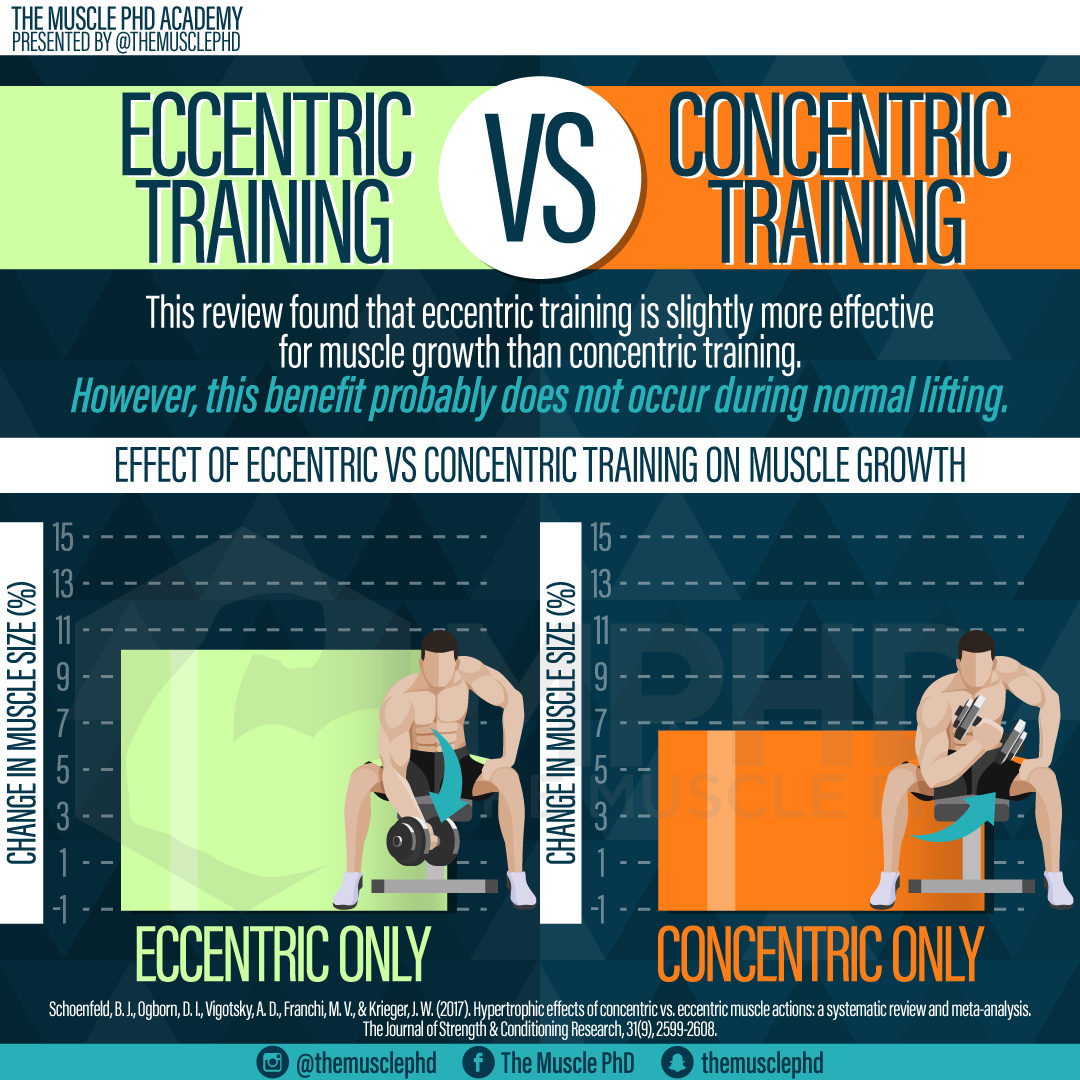
This compound functions by selectively targeting androgen receptors in muscle and bone tissue. By binding to these receptors, it promotes an increase in protein synthesis and muscle growth. Additionally, it plays a role in fat loss by enhancing the body’s metabolism, making it a dual-function tool in both muscle gain and fat reduction.
Benefits of Andarine
One of the primary advantages is its potential to improve lean muscle mass. Users often report significant muscle gains when used alongside proper diet and exercise. Furthermore, it aids in fat loss, offering users a shredded physique without the need for drastic measures. Its selective nature means that users generally experience fewer side effects than those associated with traditional anabolic steroids.
Recommended Usage and Dosage
While there is still ongoing research, anecdotal evidence suggests that a daily dose of 25-75mg for a cycle of 6-8 weeks is typical among users. However, it’s crucial to start with a lower dose to assess individual tolerance. Due to potential vision-related side effects, monitoring throughout the cycle is recommended. Post cycle therapy (PCT) is also advised to help the body return to its natural hormonal balance.
Side Effects and Precautions
Despite its benefits, potential side effects include night vision issues and an increase in liver enzymes. Therefore, users must approach Andarine with caution, conducting thorough research and ideally consulting with a healthcare professional before beginning any cycle.
Conclusion
While Andarine presents an appealing option for those seeking muscle gains and fat loss, it is not without its risks. Responsible usage, careful monitoring, and adhering to recommended dosages are essential for maximizing its benefits while minimizing potential adverse effects. As with any supplement, informed decision-making and personal health considerations should guide its use.
FAQs
- Is Andarine legal?
- As of now, its legality varies by country. It’s not approved for human consumption by FDA in the US, so it’s often sold for research purposes only.
- Can women use Andarine?
- Yes, women can use it, but they should opt for lower doses to minimize any potential side effects and masculinization.
- What results can I expect?
- Results vary among individuals, but typical outcomes include increased lean muscle mass, fat loss, and enhanced strength.
BIG SALE | FAST SHIPPING
HOT PROMOTIONS!
CLOMID 50MG FIERCE 50 TABLETS

Original price was: $ 129.00.$ 119.00Current price is: $ 119.00.
ZPHC UltraMix 1ml amps x 10 amps - 1ml = 250mg
Original price was: $ 259.00.$ 179.00Current price is: $ 179.00.


ZPHC UltraMix 10ml MultiUse Vial 1ml = 250mg
Original price was: $ 255.00.$ 179.00Current price is: $ 179.00.

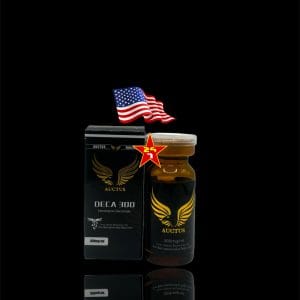
Andarine, also known by its research name S-4, is a selective androgen receptor modulator (SARM) that has garnered attention in the bodybuilding and athletic communities for its potential benefits in enhancing performance and muscle growth. Originally developed for the treatment of conditions such as muscle wasting and osteoporosis, Andarine works by selectively binding to androgen receptors in the body, promoting muscle growth and increasing bone density. Users often report increased strength, muscle mass, and fat loss, making it a popular choice for individuals looking to improve their physique. However, it is crucial to note that Andarine, like other SARMs, is still under clinical investigation and is not approved by the FDA for human use, raising concerns about its safety and long-term effects. Despite its potential benefits, the use of Andarine should be approached cautiously, considering the legal and health implications.