

Aod 9604 vs frag 176 191

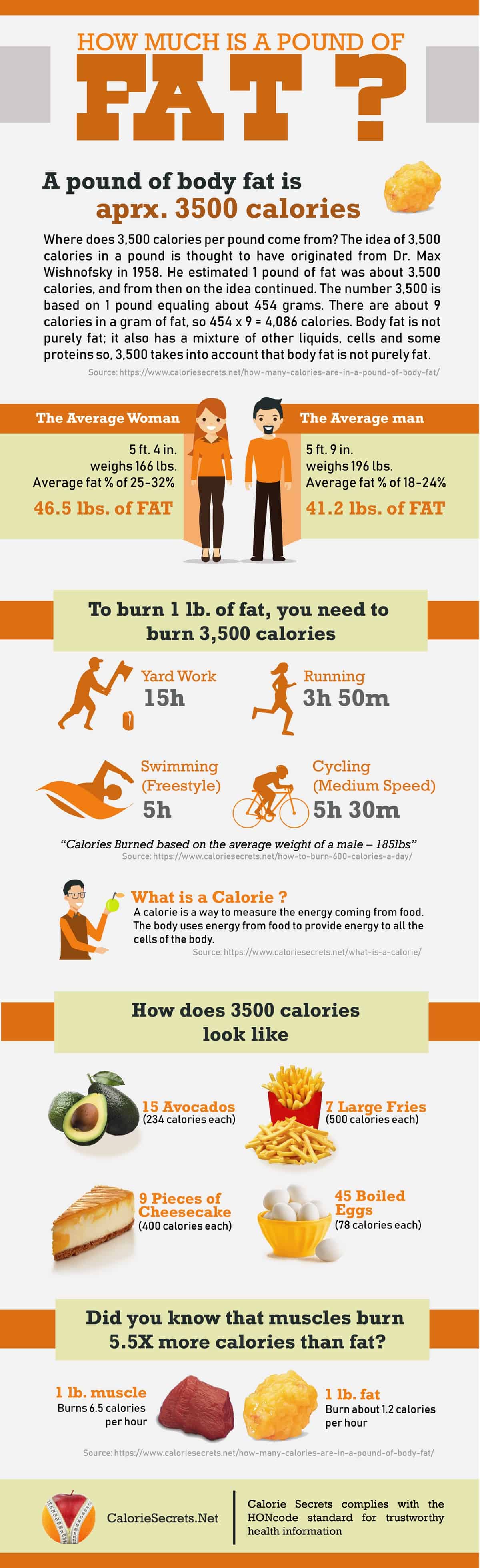
In the ever-evolving domain of fitness and bodybuilding, understanding the nuances of various peptides can be crucial. Among the popular names in this arena, AOD 9604 and Frag 176-191 have garnered substantial attention. Both are derivatives targeting fat loss, yet they possess distinctive attributes that differentiate them from each other. This article will take a comprehensive look at these two powerful peptides and provide insights into their workings. 💪
Understanding AOD 9604
AOD 9604, originally developed as an anti-obesity drug, is a modified form of the human growth hormone (HGH). It focuses primarily on enhancing the body’s capacity to degrade fat while preserving muscle tissue. Unlike other HGH-based substances, AOD 9604 does not impact any other bodily functions related to growth and only works to combat obesity. This specificity makes AOD 9604 a favorite among athletes and bodybuilders focused on effective fat loss.
Exploring Frag 176-191
On the other hand, Frag 176-191 is commonly referred to as the “lipolytic fragment.” As part of the growth hormone, Frag 176-191 is truncated at the end of the larger peptide sequence and consists solely of the last 16 amino acids, which are known to contribute specifically to fat breakdown. Similar to AOD 9604, Frag 176-191 significantly encourages fat loss without affecting insulin sensitivity — thereby preserving muscle mass. 🏋️♀️
Effectiveness: AOD 9604 vs. Frag 176-191
The effectiveness of both AOD 9604 and Frag 176-191 is evident in their ability to stimulate lipolysis or fat breakdown. While both offer substantial benefits in the sphere of fat loss, AOD 9604 is more often touted for its additional ability to aid in muscle recovery. Meanwhile, Frag 176-191 is celebrated for its straightforward action as a fat-burning agent with minimal side effects. When it comes to safety and tolerability, both peptides exhibit an excellent profile, but individual body responses can vary. 🏆
Conclusion
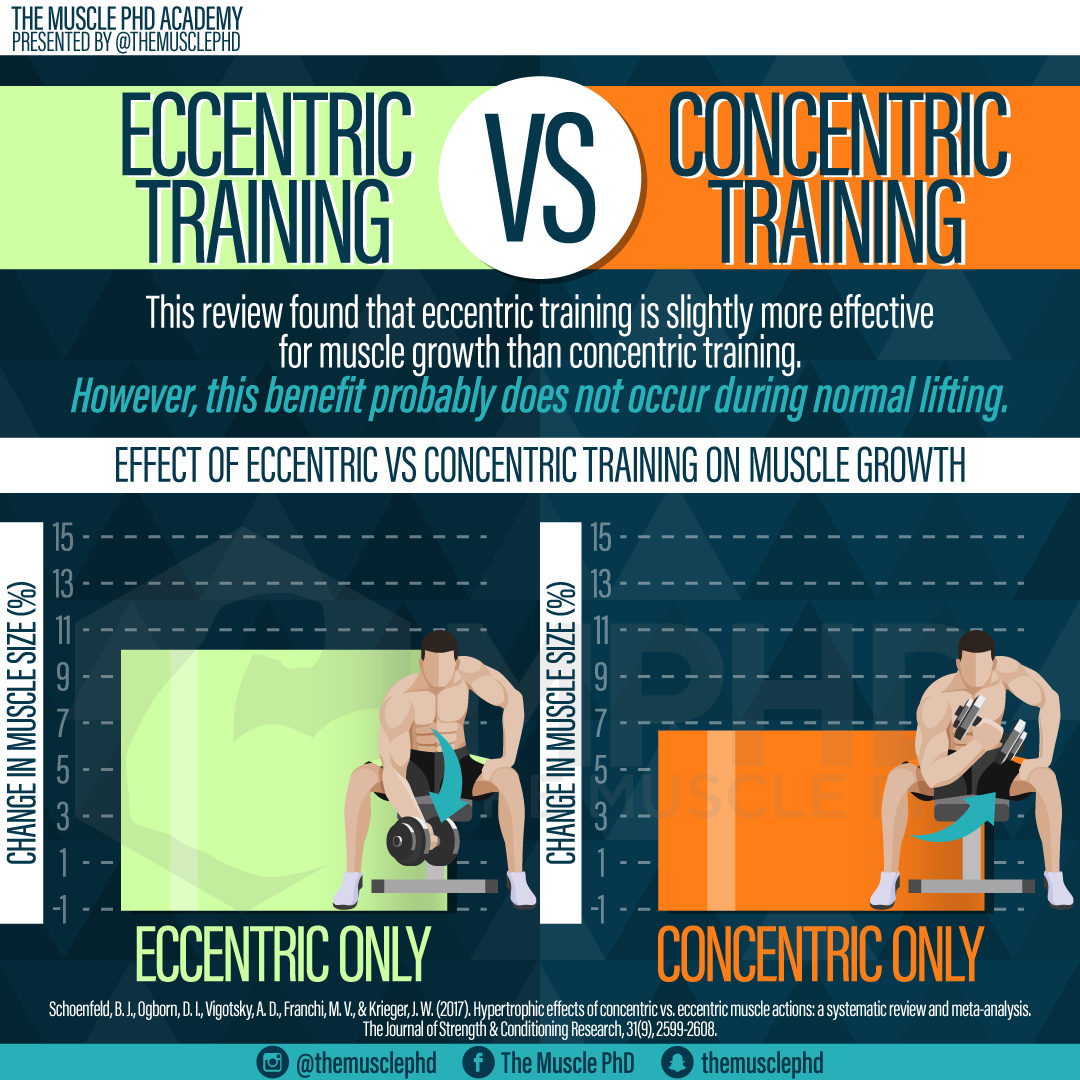
When comparing AOD 9604 and Frag 176-191, both peptides stand out in the realm of fat loss and muscle preservation, but their functional focuses diverge slightly. AOD 9604’s added benefits in muscle recovery can make it preferable for those with rigorous training routines, while Frag 176-191’s streamlined fat-burning action remains compelling for targeted weight loss strategies. Ultimately, the choice between the two will depend on personal goals and individual responses. #Workoutathome #stayfit #bodybuilding
FAQs
What are the primary benefits of AOD 9604?
AOD 9604 primarily aids in fat loss and muscle preservation and offers additional benefits in muscle recovery.
How does Frag 176-191 work?
Frag 176-191 works primarily by targeting and breaking down fat without influencing insulin sensitivity.
Are there any side effects?
Both AOD 9604 and Frag 176-191 are known for their minimal side effect profiles. However, as with any supplement, individual reactions may vary.
Which peptide is more suitable for athletes?
Both peptides can benefit athletes. AOD 9604 may offer an edge due to its muscle recovery properties.
BIG SALE | FAST SHIPPING
HOT PROMOTIONS!

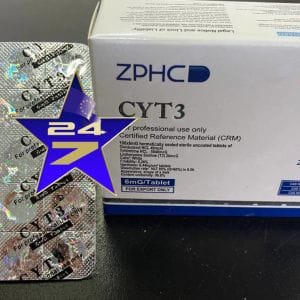
CYT 3 6MG | T3 | Yohimbe | Clen | Weight Loss Blend | 100 Tablets Total Kit 600mg
$ 69.00
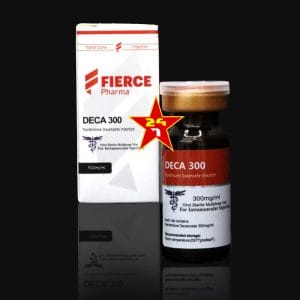
Fierce nandrolone decanoate 300 / ml 10ml
Original price was: $ 131.00.$ 119.00Current price is: $ 119.00.
ZPHC UltraMix 10ml MultiUse Vial 1ml = 250mg
Original price was: $ 255.00.$ 179.00Current price is: $ 179.00.

CLOMID 50MG FIERCE 50 TABLETS
Original price was: $ 129.00.$ 119.00Current price is: $ 119.00.
AOD 9604 and Frag 176-191 are both peptide fragments derived from human growth hormone (HGH) and are often discussed in the context of weight loss and bodybuilding. AOD 9604, also known as the anti-obesity drug 9604, is a modified peptide fragment that encompasses amino acids 177-191 of the HGH molecule. This peptide is designed to stimulate the pituitary gland in a way that increases the metabolism of body fat while leaving muscle mass unaffected, thereby promoting lipolysis without typical growth hormone-related side effects. Conversely, Frag 176-191 is a smaller segment of the HGH molecule, specifically comprising amino acids 176-191, and focuses on mimicking the natural fat-burning properties of HGH. While both peptides are popular for their potential fat-reducing benefits, they differ slightly in their formulation and purported mechanisms of action. Despite their increasing use in sports and fitness circles, it is important to note that the scientific evidence supporting their effectiveness and safety in humans is still limited, and neither is currently approved by major health regulatory bodies such as the FDA. Users should exercise caution and seek medical advice before considering these substances.