B7 33 Peptide: A Breakthrough in Cardiovascular Treatment?
TABLE OF CONTENTS

The world of biomedicine is perpetually evolving. Among the groundbreaking discoveries, the B7 33 peptide stands out for its potential therapeutic applications. This peptide, gaining attention in scientific communities, is primarily noted for its cardioprotective and anti-fibrotic properties. Through extensive research and clinical studies, B7 33 peptide could provide innovative solutions to several medical challenges, transforming patient care in significant ways.
Understanding B7 33 Peptide
The B7 33 peptide is a synthetic peptide derived from the extracellular domain of the human CD28 protein, which plays a critical role in immune response modulation. Structurally, peptides are short chains of amino acids, and their unique configurations are designed to mimic or influence certain biological processes. In particular, B7 33 is noted for its ability to serve as an agonist for specific receptors, promoting healing and repair in affected tissues.
Clinical Applications of B7 33 Peptide
Research highlights several promising applications for B7 33 peptide. Most notably, it offers anti-fibrotic benefits by inhibiting the excessive scarring of connective tissue, a process crucial in diseases such as cardiac fibrosis. This peptide has shown efficacy in reducing fibrosis in preclinical models, heralding new therapeutic possibilities for conditions where tissue scarring is a hallmark.
Moreover, B7 33 peptide is being explored for its cardioprotective attributes. It may mitigate damage following myocardial infarctions by reducing inflammation and apoptosis in cardiac cells. Such properties are fundamental in the prevention of heart failure post-heart attack, positioning B7 33 as a potentially invaluable asset in cardiology.
Advantages and Challenges
While the prospects of B7 33 peptide are exciting, it is important to recognize the challenges in its development and application. The advantages of this peptide include its targeted mechanism of action and the potential for fewer side effects compared to conventional drugs. However, challenges remain in the form of optimizing delivery methods, ensuring stability, and fully understanding its pharmacodynamics and pharmacokinetics.
Conclusion
B7 33 peptide represents a burgeoning area of research with significant implications for treating a variety of conditions, particularly those related to cardiac health and tissue fibrosis. As research continues, the hope is that B7 33 will transition from the laboratory to the clinic, offering new therapies for patients who currently have limited treatment options.
BIG SALE | FAST SHIPPING
HOT PROMOTIONS!
Beligas 10ml Vial Testosterone NPP Blend 150mg

Original price was: $ 119.00.$ 99.00Current price is: $ 99.00.

CYT 3 6MG | T3 | Yohimbe | Clen | Weight Loss Blend | 100 Tablets Total Kit 600mg
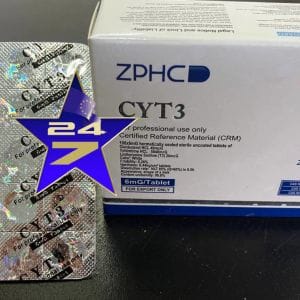
$ 69.00


FIERCE CLOMID 50MG 50CAPS
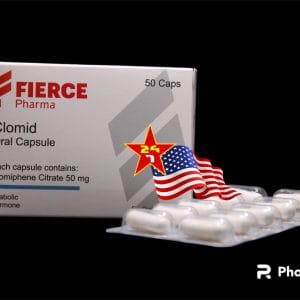
Original price was: $ 129.00.$ 119.00Current price is: $ 119.00.

FAQs about B7 33 Peptide
What is B7 33 peptide?
B7 33 peptide is a synthetic peptide derived from the extracellular domain of the human CD28 protein, known for its potential cardioprotective and anti-fibrotic properties.
How is B7 33 peptide used in medicine?
It is being studied for its abilities to reduce cardiac fibrosis and protect heart cells from damage post-myocardial infarction, offering potential new treatments in cardiology.
What are the advantages of B7 33 peptide?
The primary advantages include its specificity in action, potential for fewer side effects, and promising applications in reducing fibrosis and protecting cardiac health.
What challenges does B7 33 peptide face?
Challenges include optimizing delivery methods, ensuring compound stability, and fully understanding its behavior within the body to maximize therapeutic benefits.
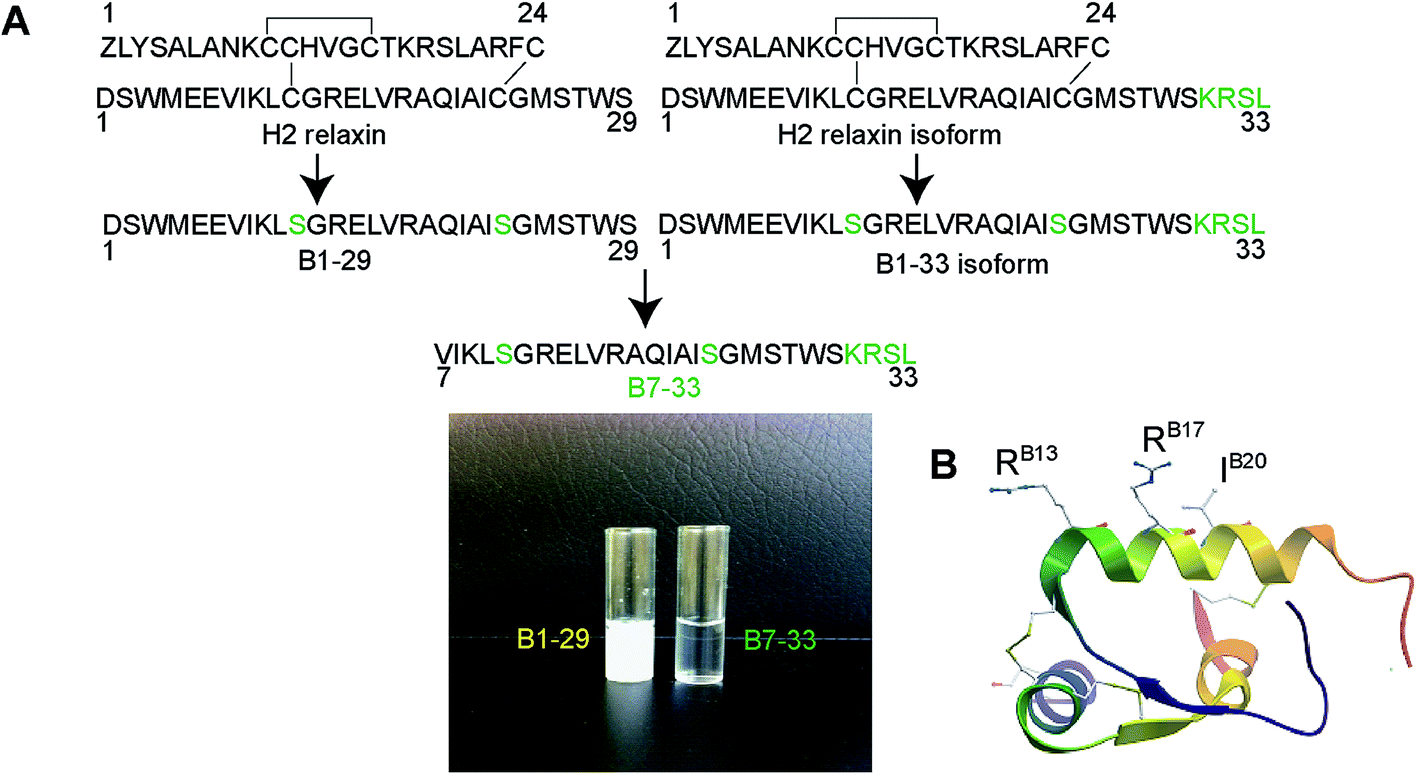
B7-33 peptide is a synthetic analogue derived from the human relaxin hormone, which has been the subject of research due to its potential therapeutic effects. Relaxin is known for its role in pregnancy, where it aids in remodeling connective tissues, but its therapeutic potential extends beyond this. B7-33, in particular, has been designed to retain many of the beneficial effects of relaxin, such as anti-fibrotic, vasodilatory, and anti-inflammatory properties, while minimizing certain side effects or broader activities associated with the natural hormone. This makes B7-33 a compound of interest in treating various conditions, including heart failure and fibrotic diseases, because fibrotic tissue remodeling is a target for therapeutic intervention. Early studies suggest that B7-33 could offer a new pathway for clinical applications, balancing efficacy and safety in targeting the latent pathological progression of such diseases.