
Beyond the Veil: Exploring Theories of the Afterlife

Death is an inevitable part of life, yet it remains one of the most profound mysteries humanity faces. While it is difficult to comprehend the full spectrum of what occurs when your heart stops beating, the realm of science, spirituality, and philosophy offers varied perspectives and beliefs about what happens when you die. This article aims to explore these perspectives and shed light on this enigmatic transition.
The Physical Process of Dying
When you die, your body undergoes a series of physical changes as it transitions from life to death. Initially, clinical death occurs when your heart stops beating, and blood circulation ceases. This leads to the cessation of oxygen supply to the brain, resulting in the loss of consciousness. Within minutes, biological death follows as cells begin to deteriorate due to oxygen deprivation.
BIG SALE | FAST SHIPPING
HOT PROMOTIONS!




CLOMIPHENE TABLETS 50mg 50 TABLETS FIERCE

Original price was: $ 99.00.$ 89.00Current price is: $ 89.00.





Rigor mortis, the stiffening of the muscles, sets in within a few hours, and the body begins its natural decomposition process. Modern medical advancements have blurred the lines between life and death, with techniques like CPR and defibrillation sometimes reviving individuals even after they seemingly die.
Spiritual Perspectives
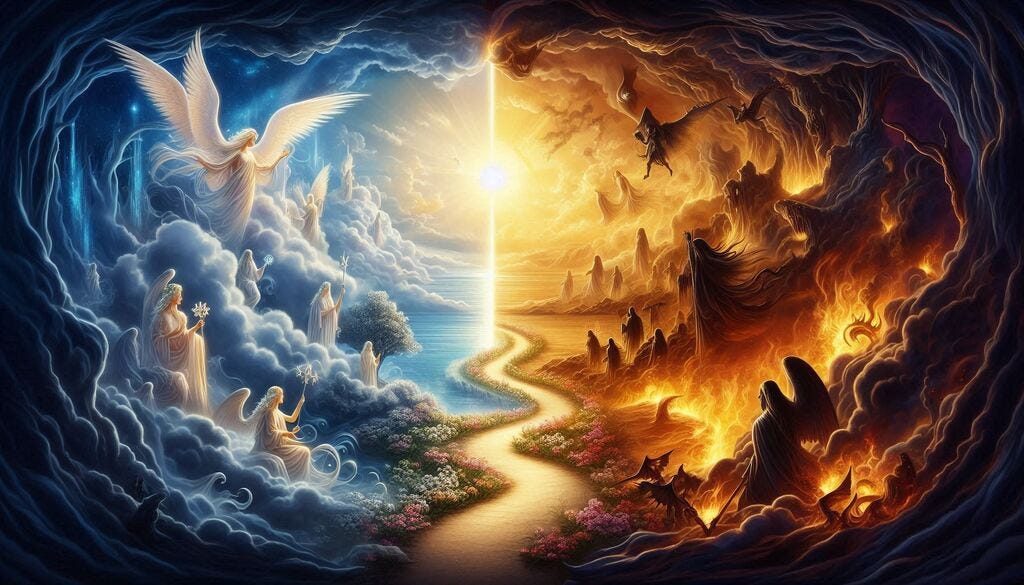
Many cultures and religions offer unique perspectives on what happens when you die. For instance, in Christianity, it is believed that your soul ascends to heaven or descends to hell based on your earthly deeds. In contrast, Hinduism suggests the soul undergoes reincarnation, reborn into a new life based on karma. Buddhism proposes a similar idea of rebirth, emphasizing a cycle of samsara until enlightenment is achieved.
These spiritual beliefs often provide comfort and guidance, offering hope of an existence beyond the physical realm. They help frame human existence in a broader context, allowing individuals to find meaning in their lives and actions.
Scientific Perspectives
From a scientific standpoint, consciousness and the mind are the primary focus when discussing what happens when you die. Researchers explore the nature of near-death experiences (NDEs) where individuals report vivid memories or sensations after clinical death. While some attribute these experiences to spiritual phenomena, others argue they are neurological reactions to the dying brain.
Prominent studies suggest that during an NDE, the brain releases endorphins and experiences heightened activity in areas responsible for perception and memory. Although these findings provide a mechanistic understanding, the scientific community continues to investigate the interplay between consciousness and death.
Conclusion
Understanding what happens when you die involves navigating the interplay between biological, spiritual, and existential aspects of human existence. While scientific and spiritual perspectives offer different insights, the ultimate truth of what occurs remains elusive. This mystery encourages exploration and conversation, fostering a deeper appreciation for life.
Frequently Asked Questions
What happens immediately after you die?
Immediately after clinical death, the body’s vital functions cease. Within minutes, biological death occurs as cells begin to break down due to lack of oxygen, eventually leading to decomposition. Learn more about clinical death.
Are near-death experiences real?
Near-death experiences are reported by many who have come close to dying. Scientists attribute these to neurological phenomena. However, spiritual interpretations also exist. Explore more about near-death experiences.
Can we ever truly know what happens when you die?
Despite ongoing research, a definitive answer remains elusive. What happens when you die intersects with scientific, philosophical, and spiritual realms, leaving much to individual belief and interpretation.
When you die, the biological processes that sustain life gradually cease. The heart stops beating, halting blood circulation and depriving cells of oxygen, leading to the eventual breakdown of bodily functions. Brain activity dwindles and stops, marking the end of consciousness. From a physical perspective, the decomposition process begins as bacteria and enzymes break down tissues. Culturally and spiritually, beliefs about what happens after death vary widely. Many religions and spiritual traditions offer concepts of an afterlife, reincarnation, or spiritual continuation, while others see death as the final cessation of individual existence. These varying perspectives often shape how individuals and societies perceive and cope with the reality of mortality, influencing mourning practices and the rituals surrounding death.