
Boosting Livestock Production: The Role of Synovex Implants

In the livestock industry, hormone implants play a crucial role in enhancing the growth and productivity of animals. Among the various options available, Synovex stands out as a widely used and effective solution. This article delves into the details of Synovex, exploring its benefits, proper usage, and frequently asked questions.
What is Synovex?
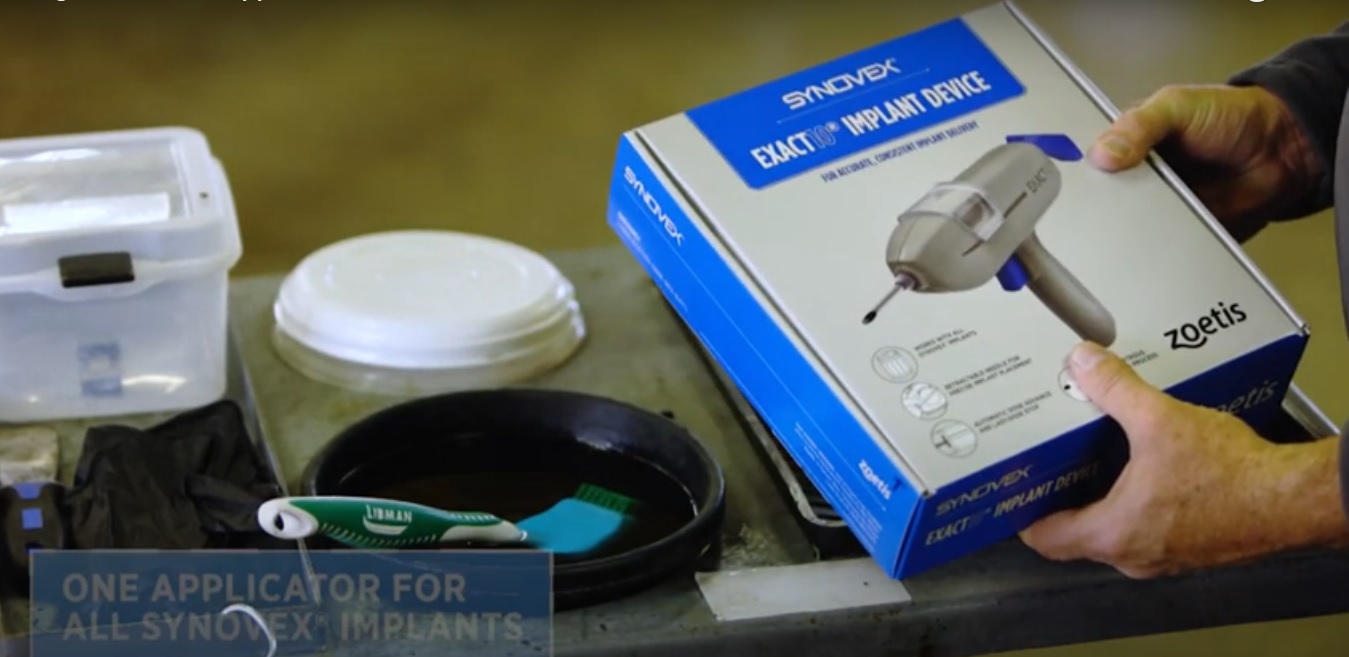
Synovex is a type of hormone implant predominantly used in beef cattle to stimulate growth and improve feed efficiency. These implants contain a combination of estrogen and progesterone, or testosterone, tailored to enhance growth rates in steers and heifers. By facilitating better nutrient absorption and utilization, Synovex helps farmers achieve optimal weight gain in their livestock.
Benefits of Using Synovex
The primary benefit of deploying Synovex in cattle is its ability to increase weight gain efficiently. By boosting the animal’s natural growth hormone levels, Synovex enables faster muscle development compared to unimplanted animals. Additionally, this can lead to reduced costs associated with feed, as cattle reach desired weights more quickly. Moreover, using Synovex implants can potentially improve meat quality, making the beef more tender and appealing to consumers.
Proper Application of Synovex
While Synovex provides numerous advantages, it’s vital to ensure proper application for the safety and effectiveness of the implants. The implants are placed subcutaneously at the base of the animal’s ear, ensuring they are out of reach of meat cuts. Proper hygiene and a clean environment are crucial during implantation to prevent infections.
Key Precautions
An essential precaution is that Synovex implants should never be reused. After use, the implants must be disposed of according to local regulations to prevent environmental contamination or misuse. Furthermore, it’s vital to adhere to the manufacturer’s guidelines and consult with a veterinarian to confirm the correct hormone dosage suitable for each animal’s age, sex, and purpose.
Conclusion
Synovex plays a pivotal role in modern cattle production, offering a range of benefits from improved growth rates to enhanced meat quality. Utilizing Synovex appropriately ensures not only economic advantages but also aligns with ethical and safety standards in livestock management. While the tool is powerful, responsible use guided by veterinary advice and adherence to regulations is imperative.
FAQs
- What are the main components of Synovex? Synovex primarily comprises a combination of estrogen and either progesterone or testosterone, depending on its targeting gender specificity for cattle.
- Can Synovex be used in dairy cattle? Synovex is designed primarily for beef cattle; its use in dairy cattle is not advised due to potential hormonal imbalances affecting milk production.
- Is there a withdrawal period for Synovex? Yes, it’s essential to follow the specific withdrawal period recommended by the manufacturer before cattle are slaughtered to ensure no hormonal residues are present in the meat.
- Are there any alternatives to Synovex? There are other hormone implant options available, but Synovex is among the most popular due to its proven efficacy and reliability.
BIG SALE | FAST SHIPPING
HOT PROMOTIONS!
Beligas 10ml Vial Testosterone NPP Blend 150mg

Original price was: $ 119.00.$ 99.00Current price is: $ 99.00.
ZPHC Clomid Clomiphene 25mg/tablet | 100 Tablets Total: 2500mg
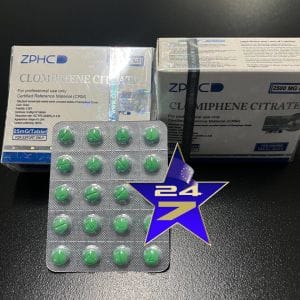
Original price was: $ 159.00.$ 65.00Current price is: $ 65.00.

ZPHC UltraMix 1ml amps x 10 amps - 1ml = 250mg
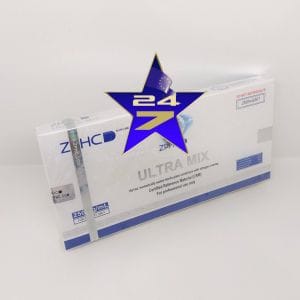
Original price was: $ 259.00.$ 179.00Current price is: $ 179.00.
FIERCE CLOMID 50MG 50CAPS
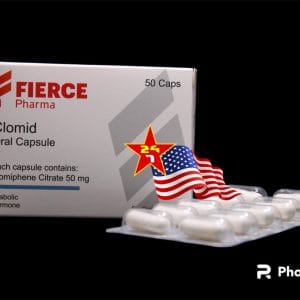
Original price was: $ 129.00.$ 119.00Current price is: $ 119.00.


Synovex is a brand of growth-promoting implants commonly used in the livestock industry, particularly for beef cattle. These implants contain a combination of hormones, such as estradiol and progesterone, or other synthetic analogs, designed to enhance weight gain and improve feed efficiency in beef cattle. By administering Synovex implants, producers aim to achieve faster growth rates and better feed conversion ratios, leading to more efficient meat production. The use of such implants is regulated and monitored to ensure safety for both the animals and consumers, with withdrawal times mandated before the animals are slaughtered to ensure that hormone levels are within acceptable limits for human consumption. While popular for its economic benefits, the use of hormonal implants like Synovex is sometimes a topic of discussion and regulation concerning animal welfare and consumer health.