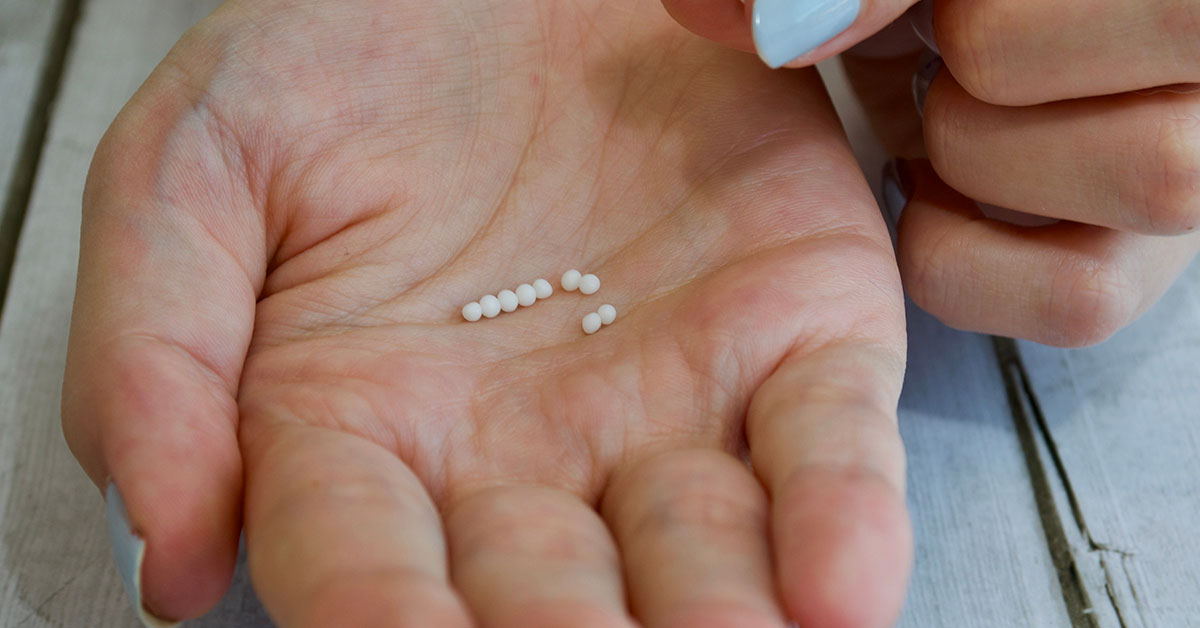
Bpc 157 herniated disc
TABLE OF CONTENTS

In the dynamic world of bodybuilding, fitness, and health supplementation, BPC 157 has emerged as a topic of interest, particularly for individuals struggling with herniated discs. Known for its regenerative properties, BPC 157—or Body Protection Compound 157—is a synthetic peptide that has shown potential in healing various types of tissue damage, including those associated with herniated discs.
Understanding Herniated Discs
Herniated discs are a common spinal issue, occurring when a disc nucleus pushes out through a tear in the annulus. This can result in significant pain, discomfort, nerve irritation, and, in severe cases, mobility issues. Traditional treatments often involve physical therapy, medication, and in extreme cases, surgery. Nevertheless, new alternatives, such as BPC 157, are being explored for their potential to enhance recovery and pain relief.
The Role of BPC 157 in Healing
BPC 157, commonly researched in the context of gut healing and tissue repair, has intrigued researchers for its possible effects on the musculoskeletal system. Although most studies have been conducted on animals, the peptide has demonstrated an ability to enhance growth factor production, improve angiogenesis, and aid in collagen repair—all of which are crucial in treating herniated discs.
BPC 157 Herniated Disc: The Mechanism
The peptide is thought to work by modulating growth factors and increasing the healing rate of tendon, muscle, and ligaments. For a herniated disc, this means BPC 157 could potentially contribute to reinforcing spinal integrity and improving function. While more research is needed, initial findings are promising, suggesting BPC 157 may help decrease inflammation and expedite tissue healing, potentially offering a non-invasive treatment alternative.
Clinical Evidence and Anecdotal Reports
Human clinical trials are limited, but anecdotal reports from users of BPC 157 for herniated disc treatments provide some optimism. Many individuals in athletic circles, including bodybuilders and gym enthusiasts, share experiences of reduced pain and improved range of motion. These encouraging stories align with animal studies demonstrating BPC 157’s propensity for promoting healing and reducing inflammation in injured tissues. 🏋️♂️
Conclusion
While BPC 157 represents a potentially ground-breaking alternative for supporting herniated disc recovery, it is crucial to prioritize clinical validation and consultation with healthcare professionals before use. Current evidence underscores the peptide’s promising future in regenerative medicine, but further research will better define its safety and efficacy in human applications.
FAQs
What is BPC 157?
BPC 157 is a synthetic peptide known for its healing properties, particularly in tissue repair and regenerative processes. It originated from research focused on gut health but shows promising applications in treating musculoskeletal disorders like herniated discs.
Is BPC 157 safe for treating herniated discs?
While animal studies and anecdotal evidence suggest potential benefits, there is limited formal research involving humans. Consulting with a healthcare provider is essential before considering BPC 157 for herniated disc treatment.
How is BPC 157 administered for a herniated disc?
BPC 157 is typically administered via injection. Dosage and administration should be guided by a healthcare professional to ensure safety and efficacy.
Where can I get BPC 157?
It’s essential to obtain BPC 157 from reliable sources to ensure product quality and safety. Always verify the authenticity of the supplier and consult a healthcare provider for guidance.
BIG SALE | FAST SHIPPING
HOT PROMOTIONS!


ZPHC UltraMix 10ml MultiUse Vial 1ml = 250mg

Original price was: $ 255.00.$ 179.00Current price is: $ 179.00.
ZPHC UltraMix 1ml amps x 10 amps - 1ml = 250mg
Original price was: $ 259.00.$ 179.00Current price is: $ 179.00.

CYT 3 6MG | T3 | Yohimbe | Clen | Weight Loss Blend | 100 Tablets Total Kit 600mg
$ 69.00
If you’re exploring options for managing herniated discs, BPC 157 might be worth discussing with your healthcare provider as part of a comprehensive treatment plan. 💡
BPC 157, a peptide consisting of 15 amino acids, has garnered attention for its potential therapeutic benefits, particularly concerning its healing properties in various injuries, including herniated discs. This synthetic peptide is derived from a protein found in the gastric juices of humans and purportedly aids in tissue repair and recovery, possibly owing to its angiogenic properties that enhance blood vessel growth and circulation. In the context of a herniated disc, which can cause significant pain and mobility issues due to nerve compression, BPC 157 is believed to promote faster healing of the affected tissues by reducing inflammation, accelerating the repair of tendons and ligaments, and possibly contributing to the regeneration of the disc tissue itself. While preliminary animal studies and anecdotal evidence suggest promising outcomes, further research and clinical trials are essential to substantiate these claims and ensure safety and efficacy in humans.