


Bpc 157 tennis elbow

Introduction to BPC 157 and Tennis Elbow
BPC 157 is a peptide that has garnered attention for its potential healing properties, particularly in tendon and muscle injuries. Tennis elbow, or lateral epicondylitis, is a condition that causes pain around the outside of the elbow and affects many individuals, especially athletes and those engaged in repetitive arm and wrist activities. Managing this condition can be challenging, but research suggests that BPC 157 may offer promising benefits.
How BPC 157 Works for Tennis Elbow
The healing properties of BPC 157 stem from its ability to enhance cell migration and proliferation, which are crucial steps in tissue repair. For those suffering from tennis elbow, BPC 157 may accelerate the recovery process by promoting angiogenesis, thereby improving blood flow to the injured area. Additionally, it helps modulate inflammatory responses, which can reduce pain and swelling.
Benefits of Using BPC 157 for Tennis Elbow
Incorporating BPC 157 in the treatment regimen for tennis elbow can lead to several advantages. First, it may significantly speed up recovery, allowing individuals to return to their regular activities faster. Moreover, its anti-inflammatory properties can alleviate pain and enhance the overall range of motion in the elbow, which is usually impaired due to the condition.
Conclusion
While BPC 157 shows potential in treating tennis elbow, it’s essential to consult healthcare professionals when considering this treatment option. The combination of its tissue-regenerating properties and ability to reduce inflammation makes BPC 157 a promising option for those seeking alternative treatments. However, further research and clinical trials are necessary to fully understand its efficacy and safety.
FAQs About BPC 157 and Tennis Elbow
What is BPC 157?
BPC 157 is a peptide derived from a protein found in the human stomach that has potential healing and regeneration properties.
Is BPC 157 safe for treating tennis elbow?
While initial studies are promising, it is crucial to consult with a healthcare provider to ensure it’s suitable for your individual health needs.
How often should BPC 157 be used for tennis elbow?
Dosage and duration should be determined by a healthcare professional, tailored to the severity of the condition and individual response.
BIG SALE | FAST SHIPPING
HOT PROMOTIONS!
ZPHC UltraMix 1ml amps x 10 amps - 1ml = 250mg
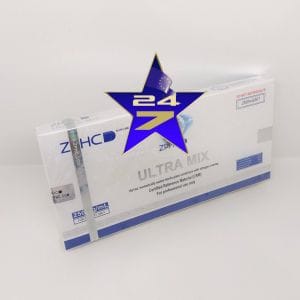
Original price was: $ 259.00.$ 179.00Current price is: $ 179.00.
CLOMID 50MG FIERCE 50 TABLETS
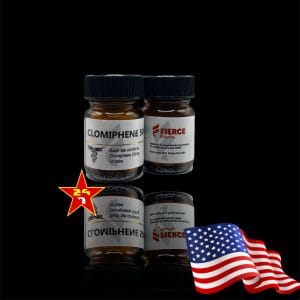
Original price was: $ 129.00.$ 119.00Current price is: $ 119.00.



CYT 3 6MG | T3 | Yohimbe | Clen | Weight Loss Blend | 100 Tablets Total Kit 600mg
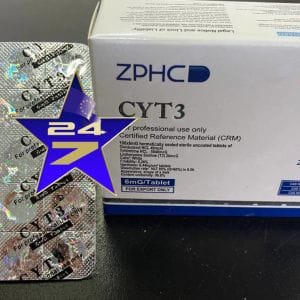
$ 69.00


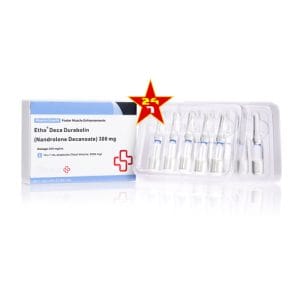
Fierce nandrolone decanoate 300 / ml 10ml
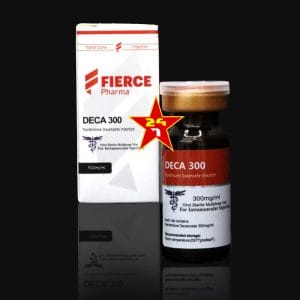
Original price was: $ 131.00.$ 119.00Current price is: $ 119.00.
BPC 157, a pentadecapeptide derived from human gastric juice, has garnered interest for its potential therapeutic effects on conditions like tennis elbow, also known as lateral epicondylitis. This painful condition, often caused by overuse of the forearm muscles and tendons, can significantly impact one’s ability to perform even simple tasks. Research suggests that BPC 157 promotes healing by enhancing angiogenesis, tissue regeneration, and the modulation of inflammation, which are crucial for tendon repair. In laboratory studies, it has demonstrated efficacy in accelerating the healing of tendons, ligaments, and other soft tissues, offering hope for individuals suffering from chronic musculoskeletal injuries. While anecdotal evidence and preliminary studies are promising, further clinical trials are necessary to confirm its safety and effectiveness in treating tennis elbow and to develop standardized treatment protocols.