Breaking Barriers: How Women Are Redefining Olympic Weightlifting
TABLE OF CONTENTS

The Evolution and Impact of Olympic Weightlifting for Women
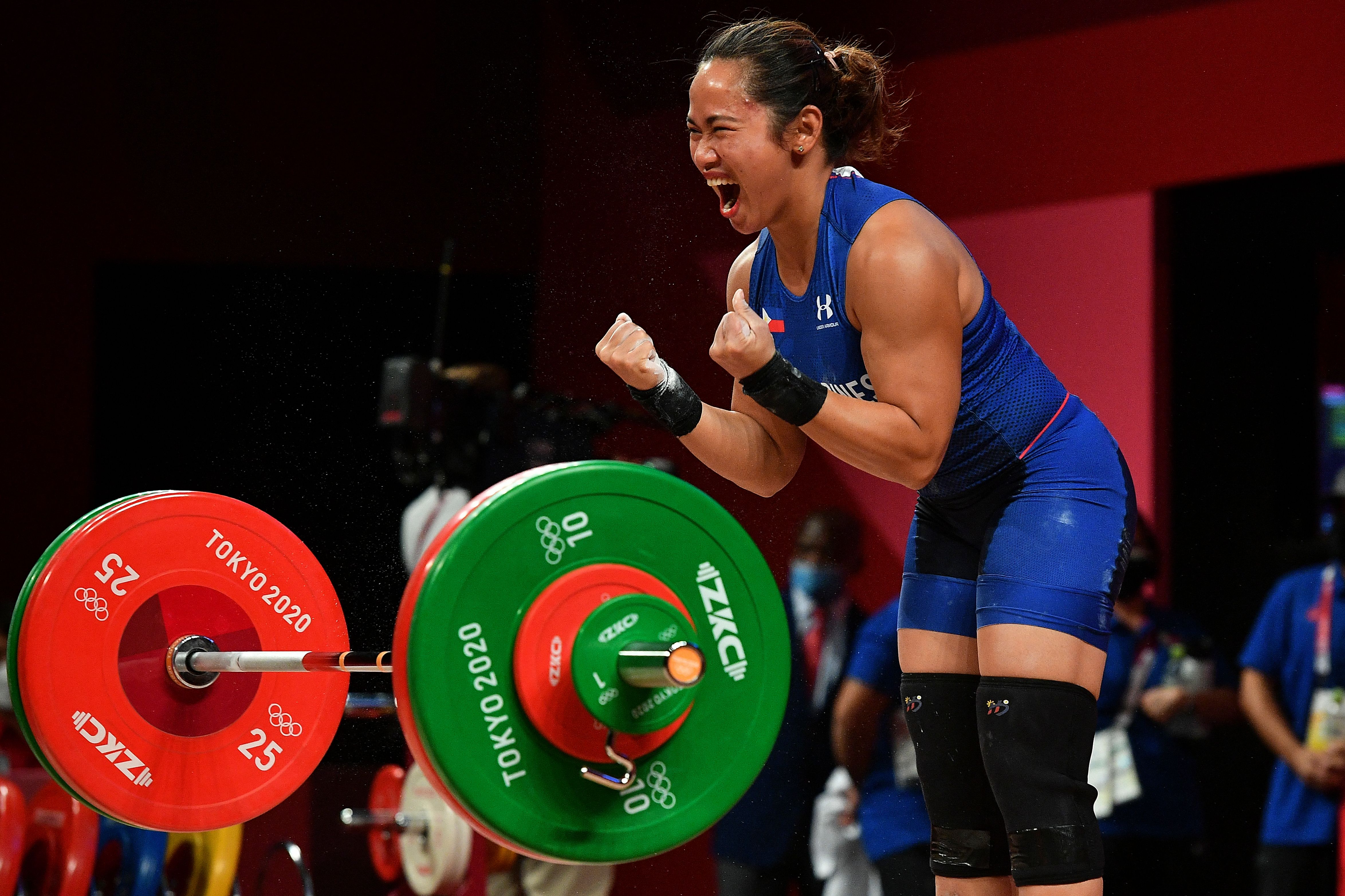
Olympic weightlifting has long been regarded as a male-dominated sports discipline, but in recent decades, women have increasingly made their mark on the sport. The introduction of female categories and competitions has empowered women to showcase their strength, agility, and determination on an international platform. This article explores the history, challenges, and triumphs of women in Olympic weightlifting, shedding light on its significance and providing insights into the current state of the sport.
A Brief History of Women’s Participation
Women’s involvement in Olympic weightlifting can be traced back to the early 20th century, but it wasn’t until the 1980s that female athletes began to gain formal recognition. The major breakthrough occurred at the 2000 Sydney Olympics, where women’s weightlifting was included as an official Olympic sport for the first time. This milestone marked a significant step in promoting gender equality within the sport and inspired countless women worldwide to take up weightlifting.
Since then, female weightlifters have continued to challenge stereotypes and break records. Icons like Wang Mingjuan of China and Sara Robles of the United States have demonstrated the immense potential and skill women possess in this arena. Their success has inspired a new generation of female weightlifters to embrace the sport and strive for their personal bests.
Challenges and Triumphs
Like many sports, Olympic weightlifting for women has faced several obstacles. Initially, prejudices and stereotypes about women’s physical capabilities were prevalent. Critics doubted whether women could handle the demands of weightlifting without compromising their health or femininity. However, these misconceptions have gradually been debunked by scientific research and the relentless spirit of female athletes proving their resilience and strength.
Another challenge has been the availability of resources and training facilities specifically for women. While there have been improvements over time, disparities still exist. Nonetheless, many sports organizations and federations are making concerted efforts to provide equal opportunities, thus allowing women to train and compete on an equal footing with men.
The Benefits of Olympic Weightlifting for Women
Engaging in Olympic weightlifting offers numerous benefits for women. Physically, it enhances muscle strength, increases metabolic rates, and improves bone density, which is especially important in preventing osteoporosis. Moreover, the mental benefits are equally significant. Weightlifting fosters discipline, boosts confidence, and teaches the value of perseverance.
Participating in a sport that challenges traditional gender norms also encourages empowerment and self-expression. It allows women to redefine what strength means and demonstrates that power and femininity can coexist harmoniously.
Conclusion
The journey of women in Olympic weightlifting reflects broader societal changes regarding gender roles and equality. The sport has not only provided a platform for female athletes to excel but has also challenged and reshaped longstanding perceptions about women and strength. As more women continue to break barriers and set new records, the future of Olympic weightlifting for women appears promising and full of potential.
FAQs
Q: When was women’s weightlifting first included in the Olympics?
A: Women’s weightlifting was first included in the Olympics in 2000 during the Sydney Games.
Q: What are the benefits of Olympic weightlifting for women?
A: The benefits include enhanced muscle strength, improved metabolic rates, increased bone density, and mental benefits such as boosted confidence and discipline.
Q: How can I start training in weightlifting?
A: Start by finding a qualified coach or joining a local gym or weightlifting club that offers beginner classes.
Q: Are there any resources for women interested in Olympic weightlifting?
A: Yes, many online platforms and organizations provide resources, including USA Weightlifting Link to USA Weightlifting and the International Weightlifting Federation Link to International Weightlifting Federation.
BIG SALE | FAST SHIPPING
HOT PROMOTIONS!


STADA MEGA CUTS BLEND 300 MG 10ML (TRENBOLONE)
Original price was: $ 129.00.$ 119.00Current price is: $ 119.00.


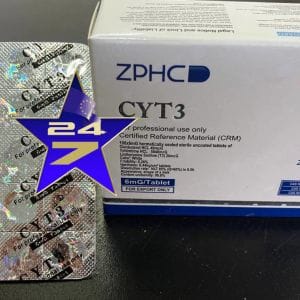
CYT 3 6MG | T3 | Yohimbe | Clen | Weight Loss Blend | 100 Tablets Total Kit 600mg
$ 69.00

Olympic weightlifting for women is a dynamic and empowering sport that has seen remarkable growth and increased recognition over the past few decades. Since its inclusion in the Olympic program at the Sydney 2000 Games, women’s weightlifting has showcased the incredible strength, determination, and skill of female athletes from around the world. The sport consists of two main lifts: the snatch, where the weight is lifted from the ground to overhead in one fluid motion, and the clean and jerk, a two-part lift requiring both power and technique. Female weightlifters compete in various weight categories, highlighting the diversity and inclusivity of the sport. Beyond the Olympics, women have been making significant strides in national and international competitions, contributing to the global narrative that strength and power are universal attributes, transcending gender norms. The rise of female weightlifting has also played a critical role in inspiring women of all ages to pursue strength training and challenge societal perceptions of femininity and athleticism.