

Breaking Stereotypes: The Rise of Female Muscle Power

Muscles play a crucial role in the overall health and functionality of women. While anatomically similar between men and women, there are distinct differences that are vital to understanding how women can most effectively work out and maintain muscle health.
The Importance of Muscle in Women
Muscles in women are responsible for maintaining a healthy metabolism, supporting bone density, and facilitating everyday movements. They also contribute to overall physical aesthetics and strength. Muscle tissue in women is composed of the same fibers as in men; however, hormonal differences impact muscle growth and development. Women tend to have a higher percentage of type I muscle fibers, which offer endurance and stamina rather than bulk source.
Anatomical Differences
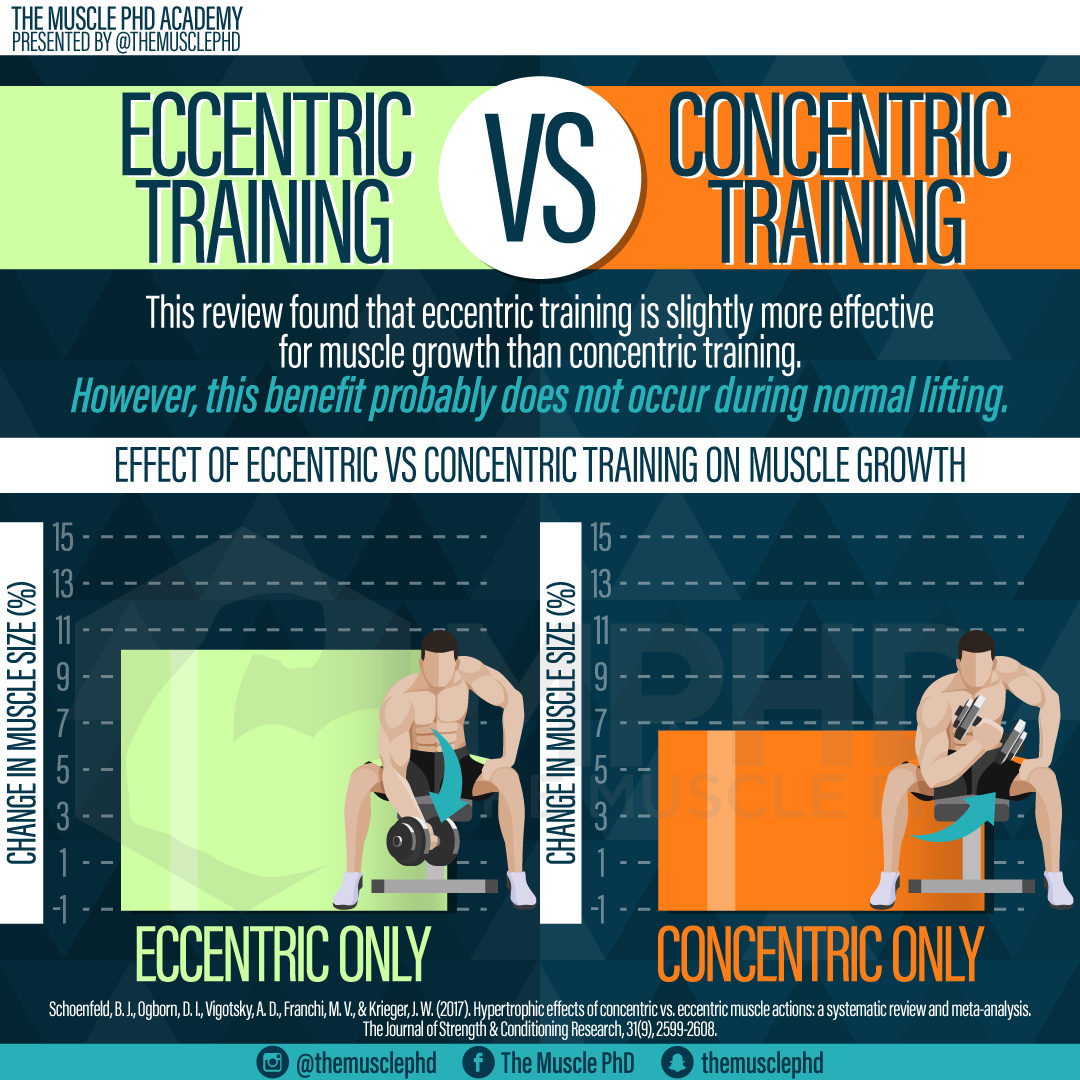
A critical component when considering the muscles in women is the hormonal environment they work within. Estrogen plays a pivotal role. It influences muscle repair, recovery, and growth. Women’s bodies often respond differently to strength training; they might not gain muscle mass as quickly as men but benefit significantly from decreased fat mass and increased strength source.
Training Regimens for Women
When structuring a workout plan, it’s important to address the unique composition of muscles in women. Resistance training is vital as it not only aids muscle preservation but also combats metabolic slowdown associated with aging. Including a mix of weightlifting, body weight exercises, and flexibility training ensures a balanced regimen. For many women, focusing on form and consistency is the key to effectively targeting all muscle groups without overstraining any particular set of muscles.
Nutritional Considerations
Nutrition is another cornerstone in maintaining healthy muscle function in women. Adequate protein intake is essential as it provides the building blocks for muscle repair and growth. Women should also consider their intake of healthy fats and carbohydrates, which play a role in energy provision and hormone production necessary for muscle health.
Challenges and Solutions
Women may face unique challenges such as maintaining muscle during menopause or postpartum periods. During these times, prioritizing targeted strength exercises can help maintain muscle integrity and alleviate conditions such as osteoporosis. Consistency in training, together with a balanced diet, can help navigate these changes effectively, ensuring muscle health is preserved throughout various life stages.
Conclusion
Muscles in women are more than just a component of physical fitness; they are integral to overall health. By understanding the unique aspects of female muscle anatomy and how they respond to various forms of exercise and nutrition, women can take charge of their fitness journeys and achieve their physical goals.
FAQs
What is the best exercise for muscles in women?
Resistance training, including weight-lifting and bodyweight exercises, is particularly effective for muscle development in women.
How can diet influence muscle in women?
A diet rich in proteins, healthy fats, and carbohydrates is essential for supporting muscle growth and recovery. Intakes should be adjusted according to individual metabolic and lifestyle needs.
Why do women find it harder to build muscle mass compared to men?
Hormonal differences, particularly lower levels of testosterone, influence the rate and extent of muscle mass gained in women compared to men.
BIG SALE | FAST SHIPPING
HOT PROMOTIONS!







This article provides a comprehensive overview of how women can effectively nurture their muscle health through unique training regimens and nutritional choices. While external challenges exist, the right approach can lead to a strong, healthy, and resilient physique.
Muscle development in women is a fascinating area of study that underscores the remarkable adaptability and strength of the human body. Contrary to dated stereotypes that suggest women cannot build muscle mass effectively, modern research and fitness practices have demonstrated that women are entirely capable of achieving significant muscle growth through resistance training and proper nutrition. The physiological differences, such as hormone levels—particularly lower testosterone—mean that the muscle-building process may be slower compared to men, yet this does not preclude women from gaining substantial strength and muscle definition. Engaging in regular strength training offers numerous benefits for women, including increased metabolic rate, improved bone density, and enhanced overall physical health, which are critical for long-term well-being. Moreover, the empowerment that comes with developing physical strength and the confidence it can instill is an important, though often understated, aspect of muscle development in women.