Bulking on keto
TABLE OF CONTENTS

In the world of bodybuilding and fitness, the concept of bulking is often associated with high carbohydrate intake. However, “Bulking on Keto” introduces an unconventional approach by merging the principles of muscle gain with a ketogenic diet. This unique strategy can be highly effective when done correctly, allowing for significant muscle growth without the excessive fat gain typically associated with traditional bulking. 💪
Understanding the Basics of Keto
The ketogenic diet is a high-fat, moderate-protein, low-carb lifestyle that shifts the body’s metabolic state to ketosis. In ketosis, the body burns fat instead of carbs for energy. Traditional bulking involves calorie surplus primarily through carbohydrates, but bulking on keto emphasizes fat as the primary energy source, making it a cleaner and more sustainable approach.
The Science Behind Bulking on Keto
The primary goal of bulking is to gain muscle mass by consuming more calories than the body burns. When bulking on keto, your calorie surplus comes from fat-rich foods alongside moderate protein intake. This method maintains muscle-building efficiency while reducing the likelihood of accumulating excess body fat. Protein intake is carefully managed to ensure sufficient muscle repair and growth without kicking the body out of ketosis.
Essential Foods for Bulking on Keto
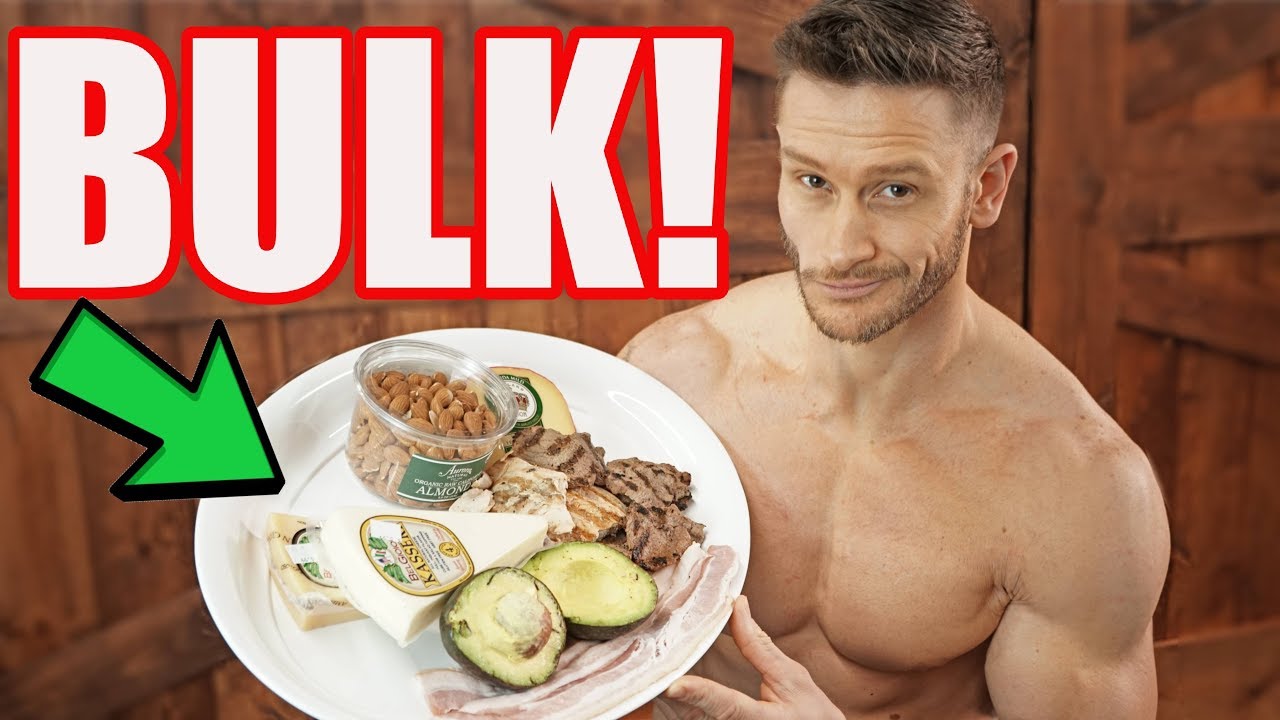
- Fats: Avocados, nuts, seeds, and olive oil are excellent sources of healthy fats.
- Proteins: Opt for grass-fed meat, eggs, and fatty fish like salmon.
- Low-Carb Vegetables: Leafy greens and cruciferous vegetables are crucial for nutrient diversity.
Workout Regimen for Bulking on Keto
Combining a well-structured workout regimen is crucial for bulking on keto. Focus on strength training and resistance exercises to maximize muscle growth. Compound movements such as squats, deadlifts, and bench presses are particularly effective. Aim for a consistent routine to enhance muscle hypertrophy while supporting the body’s ketogenic state. 🏋️♂️
Conclusion
Bulking on keto is a promising approach for those looking to gain muscle while preserving lean body mass. The combination of a high-fat diet and tailored workout routine offers a unique pathway to achieving muscle-building goals without the drawbacks of traditional bulking methods. With careful planning and attention to dietary details, this strategy can yield impressive results. 🔥
FAQs
- Is it possible to build muscle on a keto diet?
Yes, with adequate protein and fat intake, muscle growth is achievable on a keto diet.
- Is it possible to build muscle on a keto diet?
- How quickly can I see results from bulking on keto?
Results vary, but noticeable changes can occur within a few weeks with proper diet and exercise.
- How quickly can I see results from bulking on keto?
- Will I experience any side effects?
Some individuals experience initial fatigue or “keto flu,” which generally subsides as the body adjusts to ketosis.
- Will I experience any side effects?
BIG SALE | FAST SHIPPING
HOT PROMOTIONS!
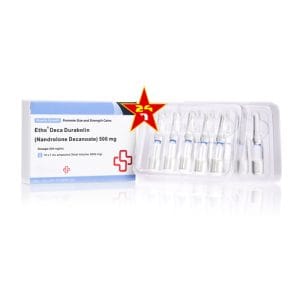




ZPHC UltraMix 1ml amps x 10 amps - 1ml = 250mg

Original price was: $ 259.00.$ 179.00Current price is: $ 179.00.




By following the keto bulking approach, you can synchronize muscle gain with a healthier lifestyle, ensuring your energy levels stay high while your progress remains steady. #Bodybuilding #Bodybuildingmotivation #Powerlifting #Bodybuilder #Heavyweightlifting #Workoutathome #stayfit #bodybuilding
Bulking on a keto diet is an intriguing approach for those looking to gain muscle mass while maintaining the low-carb, high-fat principles of ketogenic nutrition. Traditionally, bulking involves increasing calorie intake, often through carbohydrates, to support muscle growth. However, with a keto bulk, one focuses on consuming high-quality fats and moderate protein to achieve a calorie surplus. This can include foods such as avocados, nuts, seeds, fatty fish, and oils, while keeping carbs minimal. The goal is to increase muscle mass without packing on excess body fat, capitalizing on the muscle-preserving benefits of ketosis. A critical aspect of successfully bulking on keto involves ensuring an adequate protein intake tailored to individual needs to support muscle repair and growth. Additionally, monitoring macronutrient ratios and overall calorie intake is essential to align with personal fitness goals, and may require increased planning and dietary adjustments compared to traditional bulking methods.