

Cabergoline vs pramipexole

In the quest for optimizing performance and managing various health conditions, medications such as Cabergoline and Pramipexole often come under discussion. These drugs, primarily known for their use in treating certain medical conditions, have also found an audience in the bodybuilding and heavy-lifting communities. Understanding the differences between Cabergoline vs Pramipexole can be crucial for users seeking specific outcomes while ensuring safety and efficacy.
Understanding Cabergoline
Cabergoline is a dopamine agonist with potent prolactin-inhibiting properties. Primarily used to treat hyperprolactinemia (high levels of prolactin), it is often prescribed for disorders related to hormonal imbalances. In the sphere of bodybuilding and powerlifting, Cabergoline is appreciated for its ability to reduce prolactin levels, which can be especially beneficial for users of anabolic steroids that may elevate this hormone. Lower prolactin levels can mitigate certain side effects, promote lean muscle mass, and potentially enhance recovery times post-workout.
Understanding Pramipexole
Pramipexole is another dopamine agonist primarily prescribed for Parkinson’s disease and restless leg syndrome. It functions by stimulating dopamine receptors in the brain, which can offer neuroprotective benefits and may have implications for mood stabilization and motivation. While less popular in bodybuilding than Cabergoline, some athletes use Pramipexole to help with sleep, mood enhancement, and overall adherence to rigorous training regimes.
Cabergoline vs Pramipexole: Key Differences
When comparing Cabergoline vs Pramipexole, a few key distinctions emerge. Cabergoline is more targeted towards managing prolactin levels, making it particularly useful for athletes dealing with related side effects of steroid use. Pramipexole, on the other hand, excels in enhancing motivation and improving sleep patterns; thus, it can be a valuable supplement for athletes focusing on mental well-being and restfulness.
It’s important for users to consider potential side effects. Cabergoline can lead to side effects such as nausea, dizziness, and heart valve issues with long-term use. Pramipexole may cause drowsiness, nausea, and occasionally compulsive behaviors. Always consult healthcare professionals before integrating these medications into your routine.
Conclusion
In the debate of Cabergoline vs Pramipexole for bodybuilding and athletic performance, it ultimately boils down to individual needs and goals. Cabergoline is typically favored for managing prolactin-related issues, while Pramipexole can support psychological and sleep-related benefits. Users should conduct thorough research and seek medical advice to choose the best option for their unique circumstances.
Frequently Asked Questions (FAQs)
- Is Cabergoline or Pramipexole better for bodybuilding? It depends on what you’re aiming to treat or enhance. Cabergoline can be more effective for managing prolactin levels, whereas Pramipexole might help with mood and sleep.
- Can I use Cabergoline and Pramipexole together? Combining medications should always be done under medical supervision to avoid undesirable interactions.
- What are the side effects of Cabergoline? Common side effects include nausea, dizziness, and potential heart valve issues with long-term use.
- Does Pramipexole enhance motivation? Pramipexole may enhance motivation due to its effects on dopamine receptors, potentially aiding in mental focus.
BIG SALE | FAST SHIPPING
HOT PROMOTIONS!

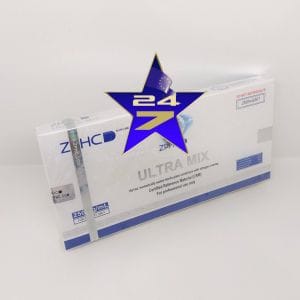
ZPHC UltraMix 1ml amps x 10 amps - 1ml = 250mg
Original price was: $ 259.00.$ 179.00Current price is: $ 179.00.
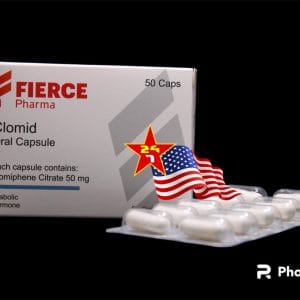
FIERCE CLOMID 50MG 50CAPS
Original price was: $ 129.00.$ 119.00Current price is: $ 119.00.
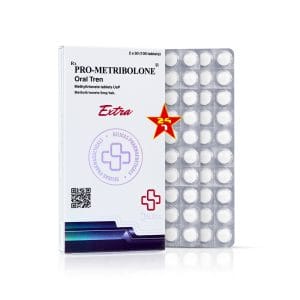
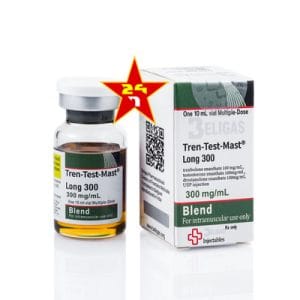
Fierce nandrolone decanoate 300 / ml 10ml

Original price was: $ 131.00.$ 119.00Current price is: $ 119.00.


Whether you’re a seasoned bodybuilder or just lifting at home, ensuring that you’re well-informed about any supplements or medications is essential. Consider your options carefully, prioritize safety, and stay motivated on your fitness journey!
Hashtags:
#Bodybuilding #Bodybuildingmotivation #Powerlifting #Bodybuilder #Heavyweightlifting #Workoutathome #stayfit #bodybuilding
Cabergoline and pramipexole are both medications used in the management of Parkinson’s disease and other conditions like restless legs syndrome, but they belong to different classes and have distinct profiles. Cabergoline is a long-acting dopamine agonist primarily used for its ability to decrease elevated levels of prolactin, making it beneficial in the treatment of hyperprolactinemia. It works by directly stimulating dopamine receptors, particularly the D2 subtype, leading to inhibition of prolactin secretion. Pramipexole, on the other hand, is a non-ergoline dopamine agonist that primarily acts on D2 and D3 receptors, making it more directly suited for addressing the motor symptoms of Parkinson’s disease by mimicking dopamine’s activity in the brain. Unlike cabergoline, pramipexole is often preferred in long-term Parkinson’s management due to a better side effect profile and lower risk of fibrotic complications, though both medications require careful monitoring for potential side effects. Their selection often depends on the specific medical circumstances, therapeutic goals, and the side effect profiles of the patients.