
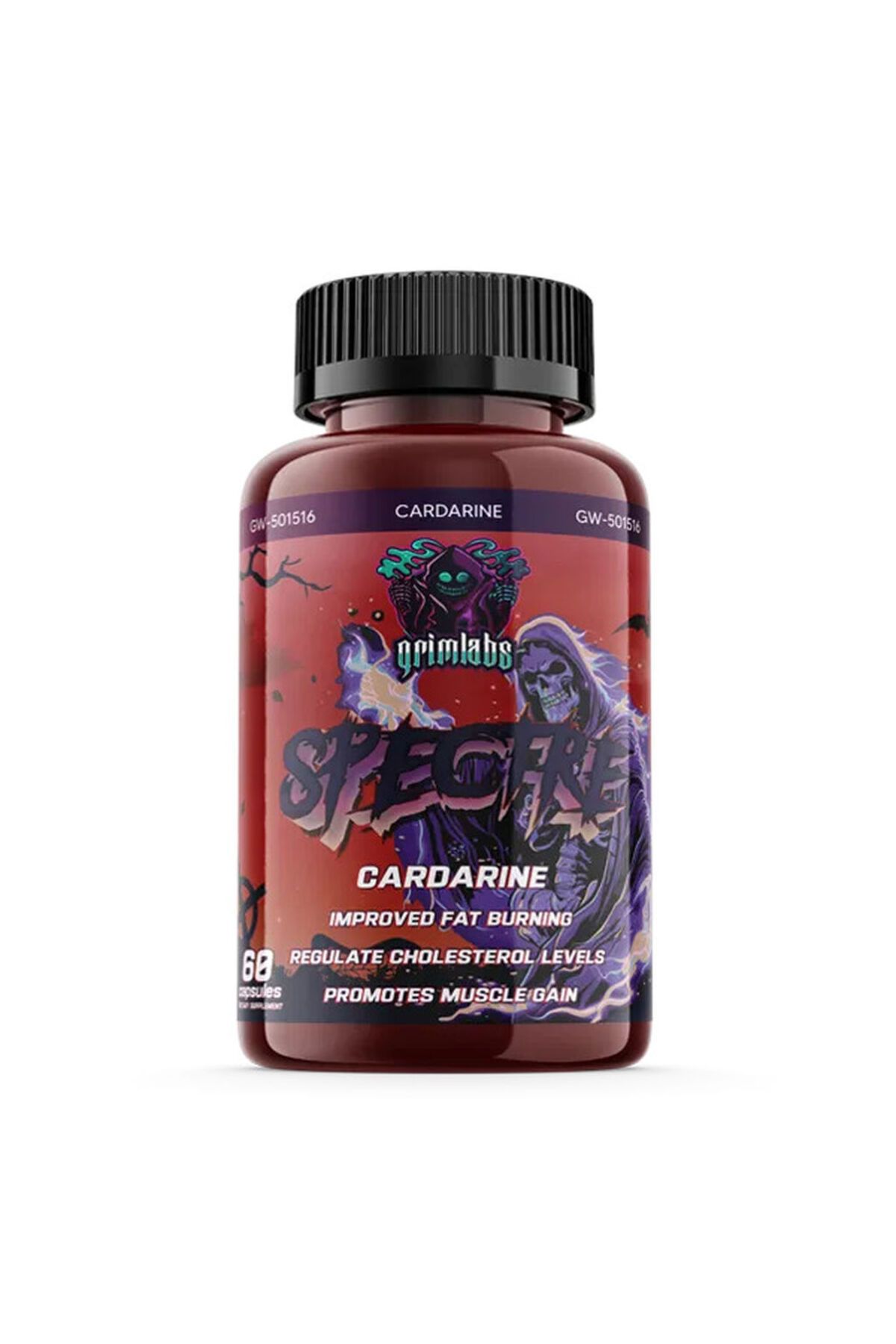
Cardarine: The Controversial Fat-Burner

Introduction to Cardarine
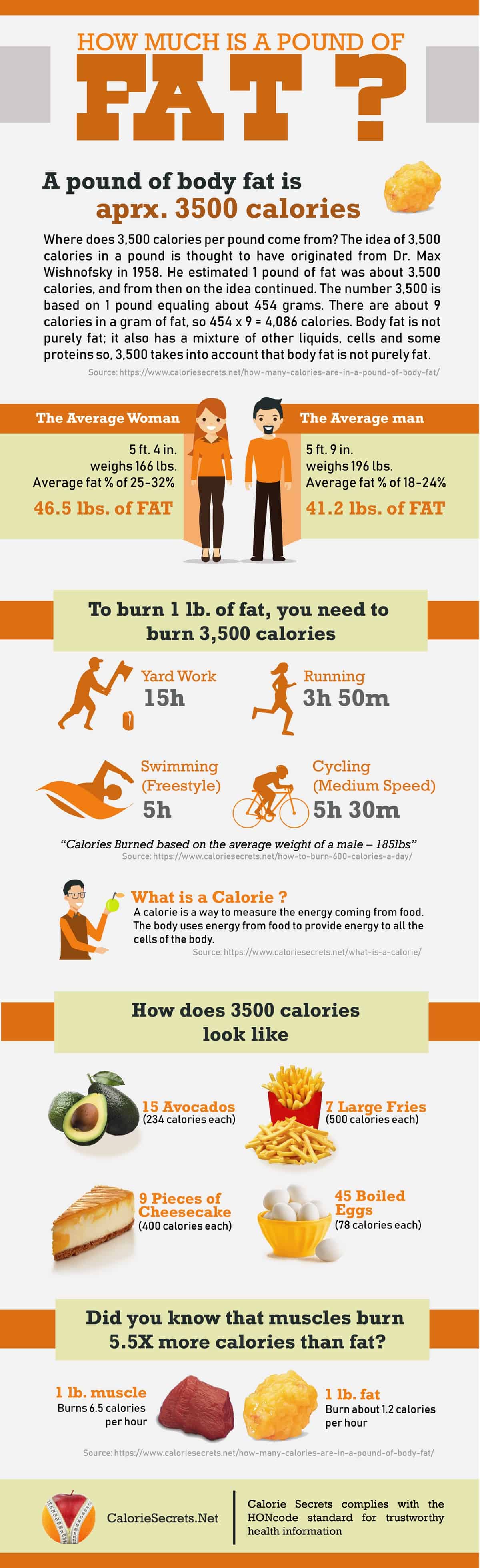
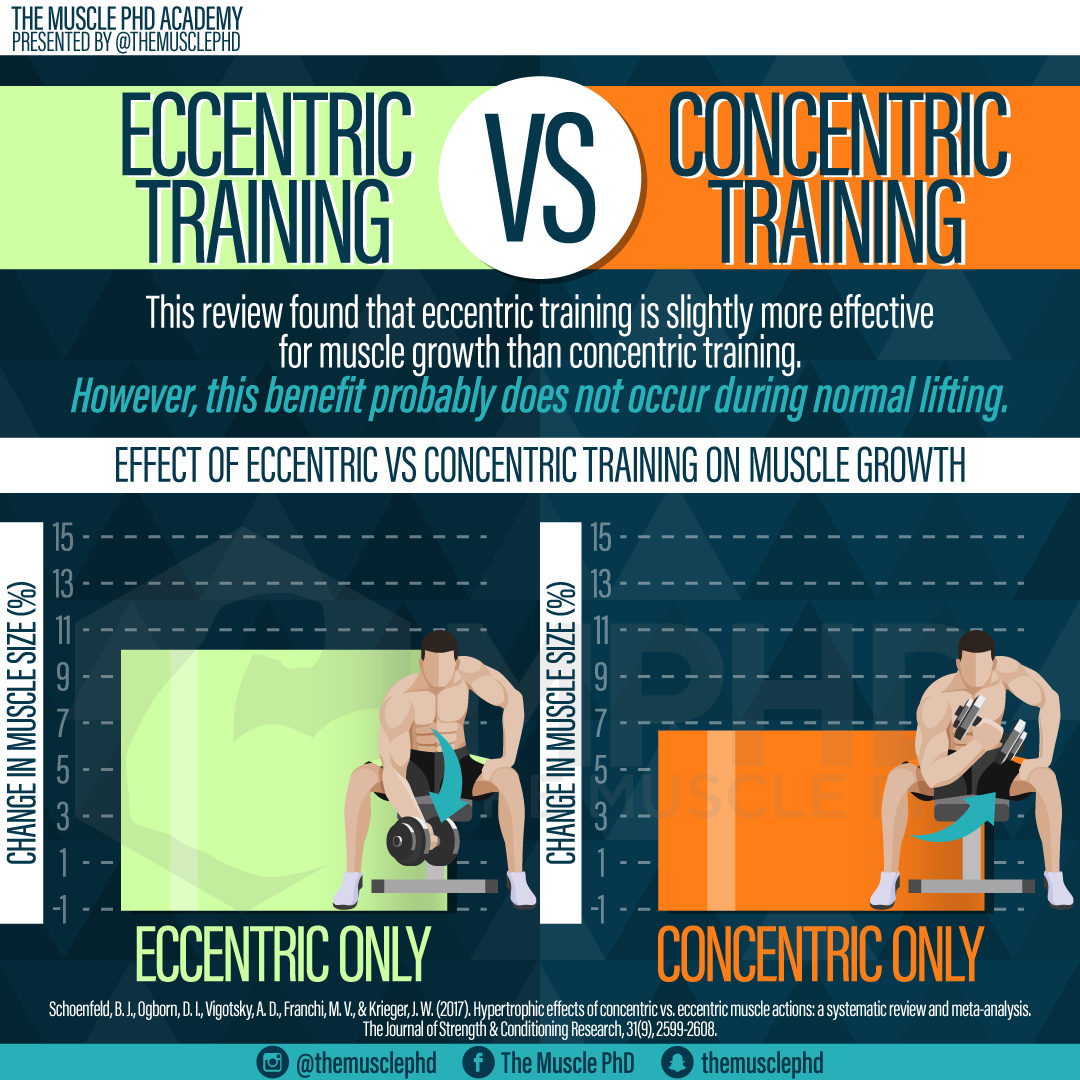
Cardarine, also known colloquially as GW501516, is a chemical compound often touted as a performance-enhancer and fat burner. While it is sometimes categorized with selective androgen receptor modulators (SARMs), it does not actually function in the same way. This compound gained popularity in the fitness world due to its purported ability to improve endurance and help with fat loss. It’s important to delve into the details, discuss the benefits, and consider potential risks when it comes to using any such supplements.
How Does It Work?
This compound is commonly associated with boosting the body’s capability to burn fat efficiently. It works by activating specific proteins in the body called PPAR-delta, which play a crucial role in increasing energy expenditure. When activated, PPAR-delta can enhance the body’s metabolism, leading to improved endurance and increased fat loss, which makes it attractive to athletes and bodybuilders.
Benefits of Cardarine
Some athletes and bodybuilders use this compound to enhance their performance and shed excess fat. Key benefits often cited include:
-
- Enhanced Endurance: Many users report increased stamina and physical performance.
-
- Fat Loss: Studies suggest Cardarine may have a positive impact on metabolism which aids in fat burning.
-
- Improved Recovery: Some enthusiasts claim it helps in reducing recovery time after workouts.
Potential Risks and Side Effects
Despite its perceived benefits, using this compound does not come without risks. Clinical trials have raised concerns about potential carcinogenic effects, particularly at high doses over extended periods. Therefore, those interested in using it should weigh the potential benefits against these risks and consider consulting a medical professional before starting.
Conclusion
While Cardarine presents certain attractive benefits such as improved endurance and fat loss, it’s crucial for potential users to approach with caution. The risks associated with its use, particularly the potential for serious side effects, should not be underestimated. Whether you’re considering it for sports performance or body composition improvements, informed decision-making, and consultation with healthcare professionals are paramount.
FAQs
Is Cardarine considered a SARM?
No, it is often mistaken for a SARM, but it actually belongs to a class of compounds known as PPAR-delta agonists.
What are the primary benefits?
Users generally pursue this compound for its ability to enhance endurance and assist in fat loss.
Are there any long-term studies on safety?
Long-term human studies are limited, and existing research raises concerns about carcinogenicity at high doses.
How should it be dosed?
Specific dosing should be tailored to individual needs and goals, preferably under the guidance of a healthcare provider.
Is it legal to use?
Legality varies by country, and it may be banned by some sports organizations. Always check local regulations and doping guidelines.
BIG SALE | FAST SHIPPING
HOT PROMOTIONS!
STADA MEGA CUTS BLEND 300 MG 10ML (TRENBOLONE)

Original price was: $ 129.00.$ 119.00Current price is: $ 119.00.





Cardarine, often referred to by its chemical name GW501516, is a peroxisome proliferator-activated receptor delta (PPARδ) agonist that was initially developed in the 1990s for potential therapeutic applications in metabolic and cardiovascular diseases. Noted for its ability to enhance endurance and promote fat loss, Cardarine has become popular in the fitness and bodybuilding communities, despite being banned by the World Anti-Doping Agency due to health concerns and its use as a performance-enhancing drug. Research indicates that Cardarine can influence the body’s ability to burn fat and improve cholesterol levels, but studies on its long-term safety in humans remain limited. Additionally, some animal studies have raised concerns about its potential to cause cancer at high doses, further complicating its status and sparking debate over its use.