
Carisoprodol: A Deep Dive into Its Complex Mechanism of Action

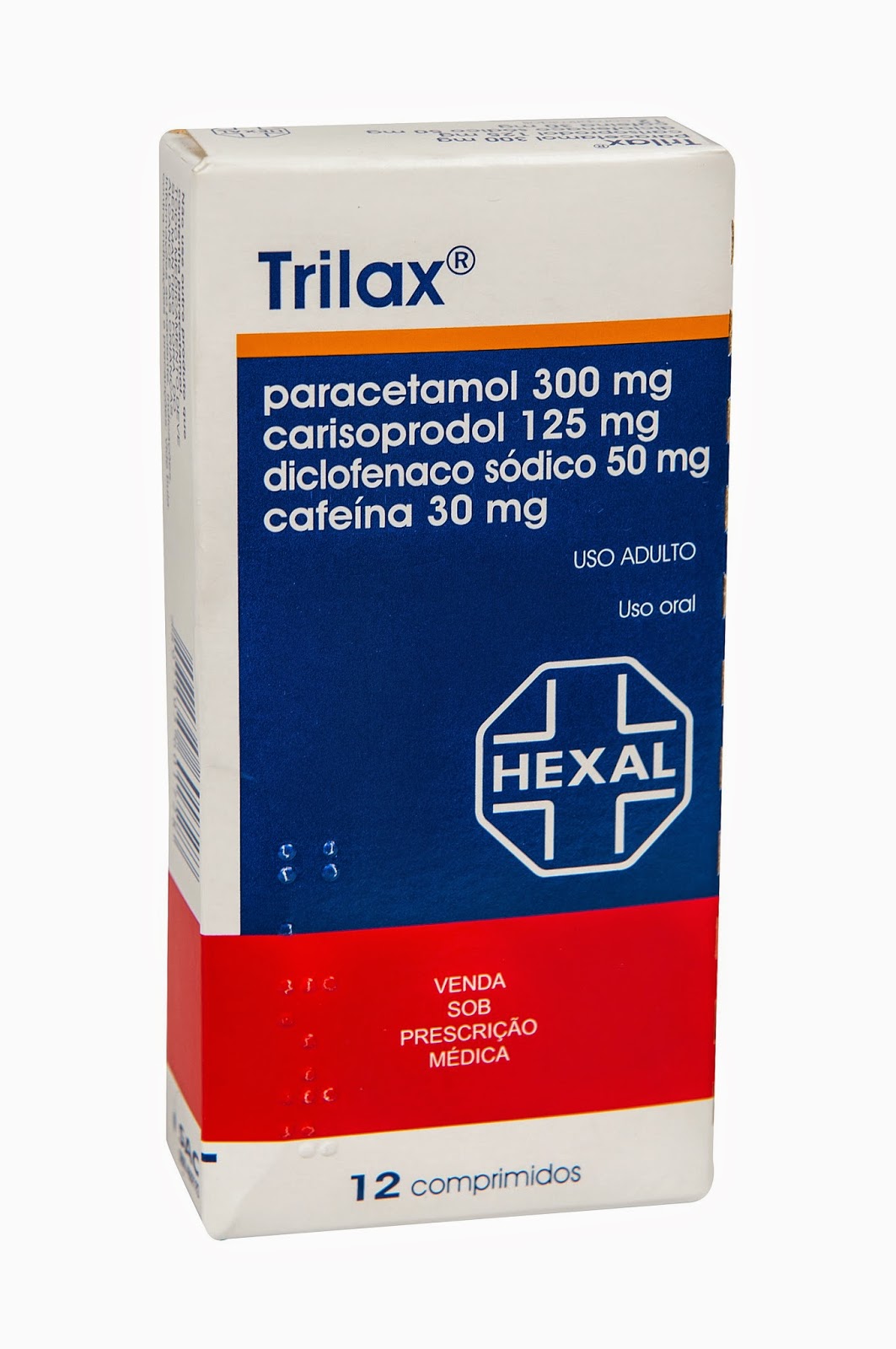
Carisoprodol is a muscle relaxant medication that is primarily used to relieve pain and discomfort associated with musculoskeletal conditions. Understanding its mechanism of action provides insights into how it achieves its therapeutic effects and the potential side effects associated with its use.
How Carisoprodol Works
The primary mechanism by which carisoprodol operates involves the central nervous system. It does not act directly on skeletal muscles or at the neuromuscular junction; rather, it exerts its effects on the brain and spinal cord. By depressing polysynaptic neuron activity in the spinal cord and reticular formation in the brain, carisoprodol helps alleviate discomfort and pain.
The Role of Metabolites in Carisoprodol’s Action
An integral part of carisoprodol’s efficacy is its metabolism into meprobamate, an active metabolite. Meprobamate contributes to the drug’s therapeutic effects by exerting anxiolytic and sedative properties, which in turn enhance muscle relaxation. This additional action supports carisoprodol’s ability to relieve muscle spasms.
Carisoprodol and GABA Receptor Modulation
Another important avenue through which carisoprodol works involves modulation of the GABAA receptors. While carisoprodol itself does not directly act as a GABAergic agent, the metabolite meprobamate can positively influence the activity of these inhibitory neurotransmitters, promoting an overall relaxing effect on the central nervous system.
The Influence on Neural Pathways
By impeding conduction along nervous pathways, carisoprodol effectively reduces the sensation of pain. This influence on the neural pathways ensures that signals related to pain and discomfort do not reach the brain with full intensity, thus alleviating symptoms in people with acute musculoskeletal conditions.
For further reading, visit Drugs.com or explore more on WebMD.
Conclusion
In summary, carisoprodol’s mechanism of action is integral to its role as a muscle relaxant. By acting centrally within the nervous system, influencing GABA receptor modulation through its metabolite, and altering neural pathways, carisoprodol effectively reduces pain and enhances muscle relaxation. Understanding its action at a deeper level informs both its therapeutic applications and the caution needed due to potential side effects.
FAQs
Q: How quickly does carisoprodol begin to work?
A: Typically, carisoprodol begins to exert its effects within 30 minutes, with peak action occurring between 1 to 2 hours.
Q: Can carisoprodol cause dependency?
A: Yes, due to the sedative properties of its metabolite, meprobamate, there is a risk of dependency with prolonged use.
BIG SALE | FAST SHIPPING
HOT PROMOTIONS!


ZPHC Clomid Clomiphene 25mg/tablet | 100 Tablets Total: 2500mg

Original price was: $ 159.00.$ 65.00Current price is: $ 65.00.



CLOMID 50MG FIERCE 50 TABLETS

Original price was: $ 129.00.$ 119.00Current price is: $ 119.00.
Carisoprodol is a centrally acting skeletal muscle relaxant whose precise mechanism of action is not fully understood. However, it is believed to work by interrupting neuronal communication within the reticular formation and spinal cord, which results in sedation and alteration of pain perception. These effects likely stem from its central depressant properties rather than direct action on skeletal muscles. Carisoprodol is metabolized in the body to meprobamate, a compound with anxiolytic and sedative properties, which may contribute to the therapeutic effects of carisoprodol. The muscle-relaxing effects of carisoprodol are commonly utilized to alleviate discomfort associated with acute, painful musculoskeletal conditions, and its action is perceived primarily through central nervous system depression rather than direct muscle tissue interaction.