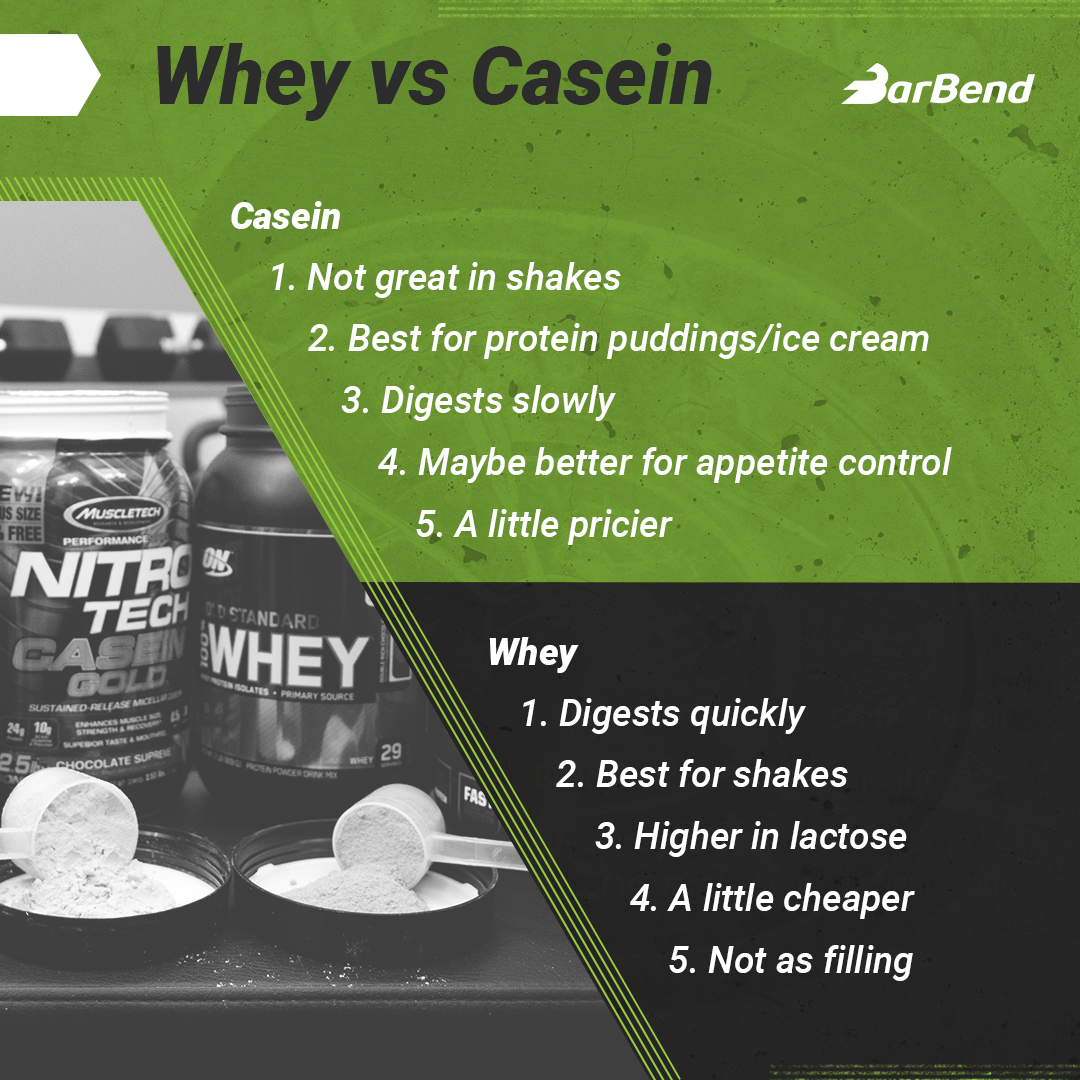
Casein vs Whey: The Battle of the Proteins

Casein vs Whey: Understanding the Differences
In the vast and expansive realm of protein supplements, two popular choices stand out: casein and whey. Both derived from milk, these proteins offer distinct benefits that cater to different nutritional needs and fitness goals. In this article, we’ll explore the unique characteristics of casein and whey, helping you make an informed decision for your dietary regimen.
Understanding the Basics
Milk protein is composed of around 80% casein and 20% whey. Both proteins are complete, meaning they contain all the essential amino acids our bodies can’t produce on their own. However, they differ significantly in how the body absorbs and uses them.
Casein: The Slow Digesting Protein
Casein is often referred to as a “time-release” protein because of its slow digestion rate. When ingested, it forms a gel-like substance in the stomach, which allows it to provide a steady release of amino acids over several hours. This makes casein an excellent choice for a bedtime snack or any time a prolonged protein delivery is desired. It supports muscle recovery and growth during periods of fasting, such as sleep, by preventing muscle breakdown.
Whey: The Fast Acting Protein
On the other hand, whey protein is renowned for its rapid absorption. Often consumed post-workout, whey quickly delivers a surge of amino acids to muscle tissue, aiding significantly in recovery and muscle protein synthesis. Its ability to be absorbed quickly makes whey a superb option for those seeking to increase muscle mass and improve recovery times after intense physical activities.
Nutritional Benefits
Both casein and whey contain high levels of essential amino acids, including a hefty dose of branched-chain amino acids (BCAAs), which are crucial for muscle protein synthesis. However, whey has a higher BCAA content, which accounts for its popularity among athletes and bodybuilders.
Incorporating into Your Diet
Choosing one over the other is not always necessary, as both proteins can complement each other when used appropriately. For instance, one might use whey protein in the morning or immediately after exercise for a quick protein boost, while using casein at night to ensure a steady supply of protein through the night.
Conclusion
In conclusion, both casein and whey proteins offer substantial benefits, and your choice should depend on your fitness goals and dietary needs. While whey provides quick absorption and is ideal for post-workout recovery, casein’s slow digestion makes it perfect for sustained amino acid delivery. Integrating both into your routine could harness the strengths of each for optimal muscle growth and recovery.
For more detailed information on protein supplements, you can visit Healthline or Bodybuilding.com.
BIG SALE | FAST SHIPPING
HOT PROMOTIONS!



Beligas 10ml Vial Testosterone NPP Blend 150mg

Original price was: $ 119.00.$ 99.00Current price is: $ 99.00.

CLOMIPHENE TABLETS 50mg 50 TABLETS FIERCE

Original price was: $ 99.00.$ 89.00Current price is: $ 89.00.
CLOMID 50MG FIERCE 50 TABLETS

Original price was: $ 129.00.$ 119.00Current price is: $ 119.00.

ZPHC Clomid Clomiphene 25mg/tablet | 100 Tablets Total: 2500mg

Original price was: $ 159.00.$ 65.00Current price is: $ 65.00.
FAQs
What is the primary difference between casein and whey?
The primary difference lies in their digestion rates: casein digests slowly, providing a prolonged release of protein, whereas whey digests rapidly, offering a quick protein boost.
Which protein is better for weight loss?
Both casein and whey can aid in weight loss. Whey protein boosts metabolism and supports muscle growth, while casein promotes satiety and prevents muscle breakdown during calorie restriction.
Can I take both casein and whey on the same day?
Yes, combining both forms of protein throughout the day can provide comprehensive amino acid delivery, supporting various phases of muscle recovery and growth.
Casein and whey are both high-quality proteins derived from milk, but they have distinct characteristics and benefits that cater to different nutritional needs. Whey protein is known for its rapid digestion and absorption, making it an ideal choice for post-workout recovery to quickly supply muscles with essential amino acids. It is rich in branched-chain amino acids (BCAAs) which aid in muscle repair and growth. Conversely, casein is a slow-digesting protein that provides a steady release of amino acids over several hours, making it suitable for sustained muscle recovery and to prevent muscle breakdown during periods of fasting, such as overnight. These complementary absorption rates suggest using whey for immediate post-exercise hydration and casein as a meal replacement or before bedtime. Each protein type also varies in taste and texture, which can influence individual preferences in dietary supplementation.