Cheaper Than Therapy: Mental Wellness Options
TABLE OF CONTENTS

In today’s fast-paced world, stress, anxiety, and mental fatigue have become common challenges many people face. While professional therapy is a beneficial route for many, it can be a costly and time-consuming solution. Enter the concept of activities and alternatives that are proverbially referred to as “cheaper than therapy,” offering a more accessible path to achieving mental clarity and emotional stability.
The Principle of “Cheaper Than Therapy”
Cheaper than therapy, this phrase resonates with individuals seeking peace and balance from their hectic lives. Whether it’s engaging in the arts, exploring the outdoors, or spending time on a hobby, numerous activities can serve as therapeutic outlets without breaking the bank. These activities encourage mindfulness, creativity, and emotional release, often yielding profound mental health benefits similar to traditional therapy.
Activities Cheaper Than Therapy
-
- Outdoor Adventures: Connecting with nature has been shown to reduce stress and enhance overall well-being. Hiking, camping, or simply walking in a local park can offer tranquility and perspective.
-
- Creative Pursuits: Engaging in artistic activities such as painting, writing, or music can be excellent, inexpensive ways to process emotions and express oneself. Sites like Skillshare provide numerous resources to get started with a new craft or skill.
-
- Physical Exercise: Exercise is well-documented for its mental health benefits. Whether it be yoga, running, or dancing, a regular physical activity routine can elevate mood and manage stress effectively.
-
- Gardening: This hobby not only gets you outdoors but has also been found to reduce symptoms of anxiety and depression. The act of nurturing a garden can be meditative, offering a sense of accomplishment and peace.
-
- Journaling: Writing down thoughts and feelings can be a significantly powerful tool for self-reflection and stress management. Promoting emotional release, journaling provides clarity and a new perspective on personal issues.
Why These Alternatives Are Effective
Alternatives regarded as cheaper than therapy help break the traditional boundary of mental health solutions by providing accessible, engaging, and often enjoyable means to improve mental health. They allow individuals to tap into their inner creativity, foster deep connections with nature, and become more attuned to their own emotional state. Furthermore, the social and community aspect of many of these activities provides additional emotional support, fostering a sense of belonging and making them an integral component of a balanced lifestyle.
Conclusion
In conclusion, while professional therapy is effective for many, alternatives that are cheaper than therapy offer a flexible and affordable option to support mental health. These activities promote well-being in a natural, unforced way, making it easier for individuals to incorporate into their daily lives. The integration of such therapeutic activities can be a vital part of maintaining emotional and mental well-being.
FAQs
What are some cheap alternatives to therapy?
Many activities are accessible and can serve as therapeutic. Options include outdoor activities like hiking, artistic endeavors such as painting, and even home hobbies like gardening or journaling.
How effective are these “cheaper than therapy” practices?
These practices can be very effective in promoting mental well-being by providing a platform for emotional expression, creativity, and personal growth. For detailed wellness resources, consider exploring Mindful.
Can these alternatives replace professional therapy?
While they can be beneficial, they shouldn’t entirely replace professional therapy for individuals who need clinical support. These activities are best viewed as complementary practices to help manage stress and enhance overall mental health.
BIG SALE | FAST SHIPPING
HOT PROMOTIONS!

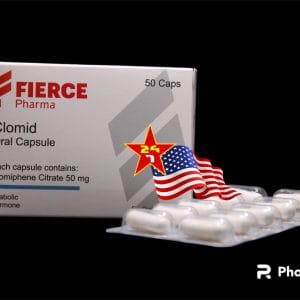
CROWX 👑 CLOMIROW 50 Mg / 50 Tabs ( Clomid )
Original price was: $ 79.00.$ 69.00Current price is: $ 69.00.

CLOMIPHENE TABLETS 50mg 50 TABLETS FIERCE
Original price was: $ 99.00.$ 89.00Current price is: $ 89.00.


“Cheaper than therapy” is a phrase often used to describe activities or experiences that provide emotional or psychological relief without the financial commitment of professional counseling or therapy sessions. These alternatives can range from simple pleasures like listening to music, writing in a journal, or engaging in physical exercise, to more organized approaches like joining a support group or practicing meditation. While therapy offers structured, professional guidance, these lower-cost options can offer immediate, albeit sometimes temporary, solace by providing an outlet for stress, anxiety, and other emotional challenges. It’s crucial, however, to recognize that while these activities can be incredibly beneficial for maintaining mental well-being, they do not replace the comprehensive support and treatment that therapy can provide for more deep-seated or complex mental health issues. For some, these alternatives pave the way to self-awareness and healing, creating a balanced mental health routine that complements professional treatment.