

Cracking the Case: Everything You Need to Know About Lice Eggs

Lice infestations are a significant concern for individuals of all ages, especially in environments such as schools and daycare centers where close contact is common. These tiny, wingless parasites thrive solely on the human scalp, feeding on blood several times a day. While the adult lice are troublesome, it is the lice eggs, or nits, which often create the biggest challenge in eradicating these unwelcome guests.
The Nature of Lice Eggs
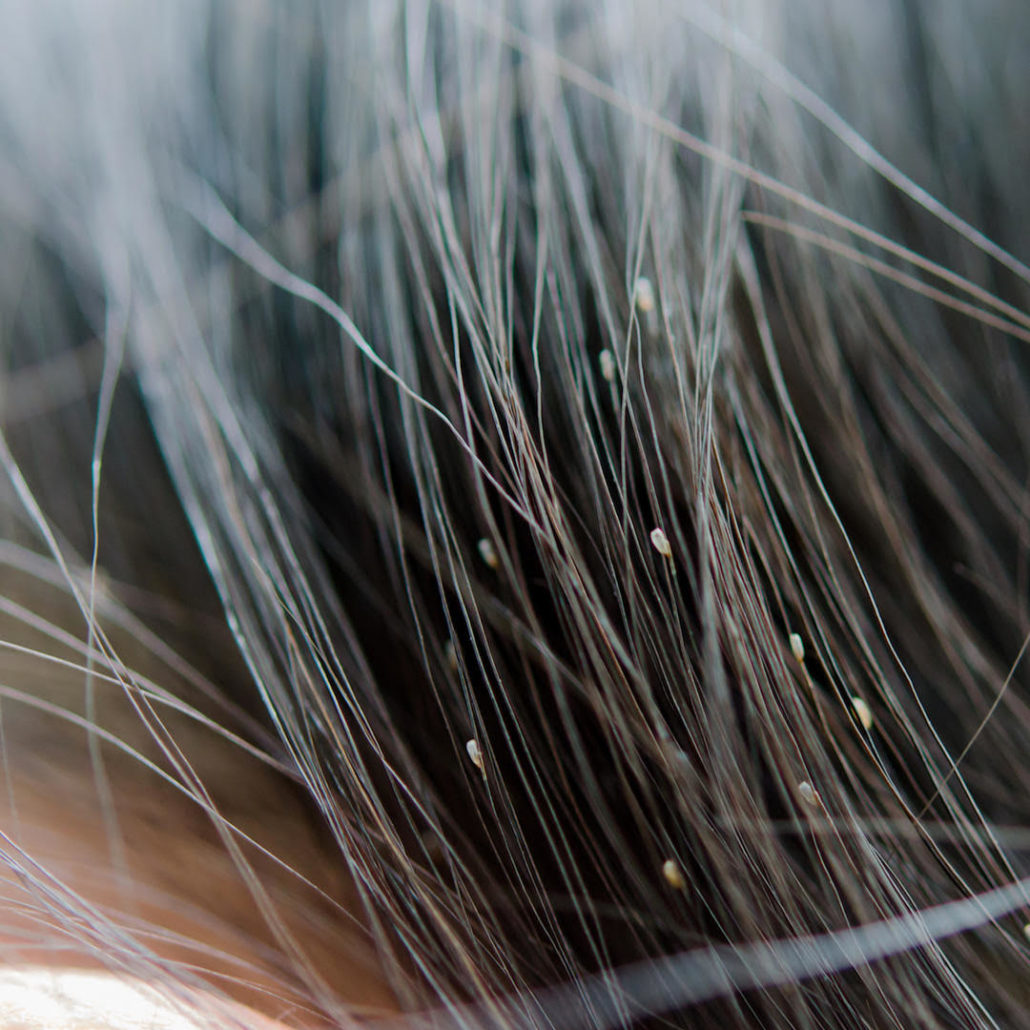
Lice eggs, known scientifically as nits, are often confused with dandruff or hair spray droplets. However, they are distinct in their oval shape and hard-to-remove nature. Typically, nits are laid on the shaft of the hair, approximately ¼ inch from the scalp, where the temperature is ideal for incubation.
Nits are glued with a substance secreted by the female louse, making them difficult to dislodge. Unlike adult lice, which are mobile and can be combed out or killed with topical treatments, lice eggs require special attention. They must be removed manually or with specialized treatments as they are not susceptible to most over-the-counter pesticide shampoos.
The Lifecycle of Lice Eggs
After being laid, the lice eggs take about 7 to 12 days to hatch. Once hatched, the young lice, called nymphs, undergo several molts before reaching adulthood. This entire life cycle underscores the importance of not allowing lice eggs to hatch, as doing so can perpetuate an infestation.
Understanding that a key factor in lice eradication is breaking this cycle is essential. Manual removal of nits, often referred to as nit-picking, remains one of the most effective ways to ensure they don’t grow into adult lice.
Managing and Preventing Lice Eggs
Preventing lice egg infestations begins with vigilance. Regular checks, especially for children, can help catch an infestation early. Using fine-toothed combs specifically designed for lice removal can aid in both detecting and eliminating lice eggs.
Products that claim to kill lice often state they can affect lice eggs, but it’s crucial to understand that many nits may remain viable even after treatment. Combining combs with treatment lotions is generally advised to ensure the removal of both lice and their eggs.
It’s important to remember never to reuse a lice egg comb without thorough cleaning. Reusing without proper disinfection could lead to the spread of lice eggs back into the hair.
Conclusion
Dealing with lice and their persistent eggs can be a frustrating process, but with diligence and appropriate measures, it is possible to eradicate these pests. Key to this process is understanding the life cycle of lice and lice eggs and taking proactive steps to remove and prevent their occurrence. By breaking the lifecycle of lice, infestations can be eliminated with patience and persistence.
BIG SALE | FAST SHIPPING
HOT PROMOTIONS!
FIERCE CLOMID 50MG 50CAPS
Original price was: $ 129.00.$ 119.00Current price is: $ 119.00.


Beligas 10ml Vial Testosterone NPP Blend 150mg

Original price was: $ 119.00.$ 99.00Current price is: $ 99.00.




FAQs
What are lice eggs?
Lice eggs, or nits, are the oval-shaped eggs laid by female lice close to the scalp. They are firmly attached to hair shafts and can be challenging to remove.
Can lice eggs survive on pillows and bedding?
Lice eggs do not survive long without a host and need the warmth of the scalp to hatch. However, it is prudent to wash bedding and pillows in hot water to kill any adult lice.
Do lice shampoos kill lice eggs?
Many lice shampoos target adult lice and nymphs but may not be effective against lice eggs. Manual removal with a fine-toothed comb is usually necessary.
How do you effectively remove lice eggs?
Using a lice comb specifically designed for nit removal is recommended. Comb through the hair section by section and clean the comb regularly to prevent the spread of lice eggs.
For more on lice and their management, consult reliable sources like the Centers for Disease Control and Prevention or PubMed Health.
Lice eggs, commonly referred to as nits, are the oval-shaped eggs laid by female lice and are a crucial part of the lice lifecycle. These tiny eggs are often found firmly attached to the hair shafts near the scalp, where the warmth and proximity to the scalp provide an optimal environment for incubation. Nits are typically yellowish-white or tan in color and can be challenging to spot, often mistaken for dandruff or hair product residue. However, unlike dandruff, they adhere so strongly to the hair that they do not flake off easily. After approximately 7 to 10 days, the nits hatch into nymphs, which are immature lice that will mature and begin the cycle anew. The presence of lice eggs is a common sign of a lice infestation, necessitating careful and often extensive treatment to prevent further reproduction and spread.