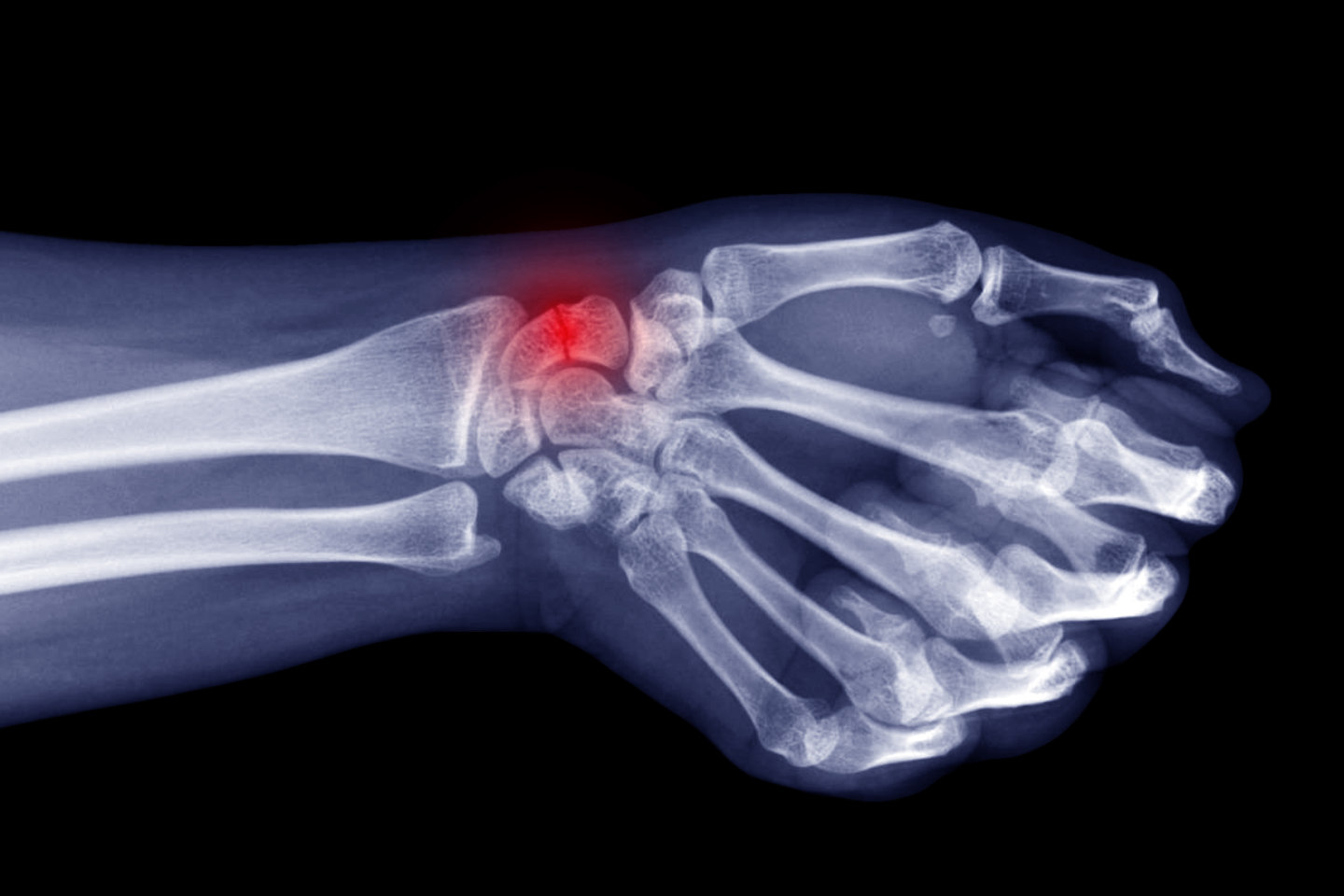
Cracking Wrist Joints: What’s Really Happening?
TABLE OF CONTENTS

Understanding Cracking Wrist Joints
Cracking wrist joints is a common phenomenon experienced by many people. Whether you’re stretching, moving your hands after remaining inactive for a while, or just going about your daily activities, that familiar popping or cracking sound can be both intriguing and concerning. In this article, we’ll explore the reasons behind cracking wrist joints, debunk some common myths, and offer advice on when it might be a cause for concern.
What Causes Cracking Wrist Joints?
The cracking or popping sound in wrist joints, medically referred to as “crepitus,” typically results from several factors. One primary cause is the formation and collapse of small gas bubbles in the synovial fluid, which lubricates and cushions the joint. This process, known as cavitation, occurs when the joint is moved in certain ways, creating negative pressure that forms these bubbles.
Another reason for cracking wrist joints could be due to tendons or ligaments snapping over the joint’s bony structures. This type of sound is usually harmless, though repeated or painful occurrences may indicate underlying issues such as tendonitis.
Is Cracking Wrist Joints Harmful?
For the most part, cracking wrist joints is benign and does not indicate any significant health concerns. Studies have shown that occasional joint cracking is not associated with arthritis or other degenerative joint diseases. However, if accompanied by pain, swelling, or reduced range of motion, it could be a sign of an underlying condition that requires medical attention.
When to Seek Medical Advice
While cracking wrist joints is typically harmless, there are times when it’s wise to consult a healthcare professional:
- Persistent pain or discomfort when your wrist cracks
- Swelling or redness around the joint
- Reduced mobility or stiffness
- A history of wrist injury
If any of these symptoms accompany wrist joint cracking, it could indicate issues such as arthritis, bursitis, or an injury that could benefit from medical evaluation.
Tips for Managing Cracking Wrist Joints
To minimize the frequency of cracking wrist joints, consider the following tips:
- Stay Active: Regular movement helps maintain joint flexibility and muscle strength. Incorporate exercises that target wrist mobility and strengthening. Learn more about wrist exercises here.
- Heat Therapy: Applying warmth can relax muscles and surrounding tissues, possibly reducing the tendency for joints to crack.
- Proper Ergonomics: Maintain good posture and ergonomic practices, especially if you work with computers or do repetitive motions with your hands.
Conclusion
Cracking wrist joints is generally a natural body phenomenon. While it often alarms those who experience it, most instances are not a cause for concern. Understanding the causes and maintaining healthy joint practices can maximize mobility and minimize discomfort.
FAQs
Q: Is wrist cracking a sign of arthritis?
A: Not necessarily. Cracking alone is usually harmless unless it is accompanied by pain or other symptoms.
Q: Can I prevent my wrist from cracking?
A: While cracking can’t always be prevented, regular exercises and proper ergonomics may help reduce its frequency.
Q: Should I be concerned if my wrists crack?
A: Generally, no. However, if you experience pain, swelling, or limited movement, it might be worth consulting a healthcare provider.
Q: Does cracking my wrist lead to long-term damage?
A: Current research suggests that occasional joint cracking does not lead to long-term damage.
Learn more about joint health and wellness to ensure you’re taking the right steps in maintaining your wrist health.
BIG SALE | FAST SHIPPING
HOT PROMOTIONS!


CLOMIPHENE TABLETS 50mg 50 TABLETS FIERCE

Original price was: $ 99.00.$ 89.00Current price is: $ 89.00.



ZPHC UltraMix 1ml amps x 10 amps - 1ml = 250mg

Original price was: $ 259.00.$ 179.00Current price is: $ 179.00.



Cracking wrist joints is a common experience for many individuals and is generally characterized by a popping or clicking sound when the wrist is moved in a certain way. This phenomenon is often due to the release of gas bubbles from the synovial fluid, which lubricates the joints, and is typically not associated with any pain. While the exact cause remains debated, the most prevalent theory suggests that the rapid change in joint pressure forms gas bubbles that subsequently collapse, causing the audible crack. Although cracking joints is generally considered harmless, doing so excessively or forcefully can potentially strain ligaments or tendons over time. Hence, if accompanied by pain or swelling, it might be prudent to consult a healthcare professional to rule out underlying conditions such as arthritis or ligament injuries. As with most joint-related behaviors, moderation and attentiveness to the body’s signals are advisable to maintain overall joint health.