Creatine hair loss
TABLE OF CONTENTS

Creatine is a popular supplement among athletes and fitness enthusiasts, acclaimed for its potential to improve strength, increase muscle mass, and enhance exercise performance. However, a swirling concern exists regarding its side effects, particularly creatine’s potential link with hair loss. It’s crucial to dive deeper into this subject to separate fact from fiction.
Understanding Creatine: A Brief Overview
Creatine, naturally found in muscle cells, plays a pivotal role in energy production during high-intensity workouts or heavy lifting sessions. Many bodybuilders and powerlifters include it in their regimen to raise phosphocreatine levels, aiding quick energy supply to muscles. Despite these benefits, questions about creatine possibly causing hair loss persist. 🤔
Exploring the Myth: Creatine Hair Loss
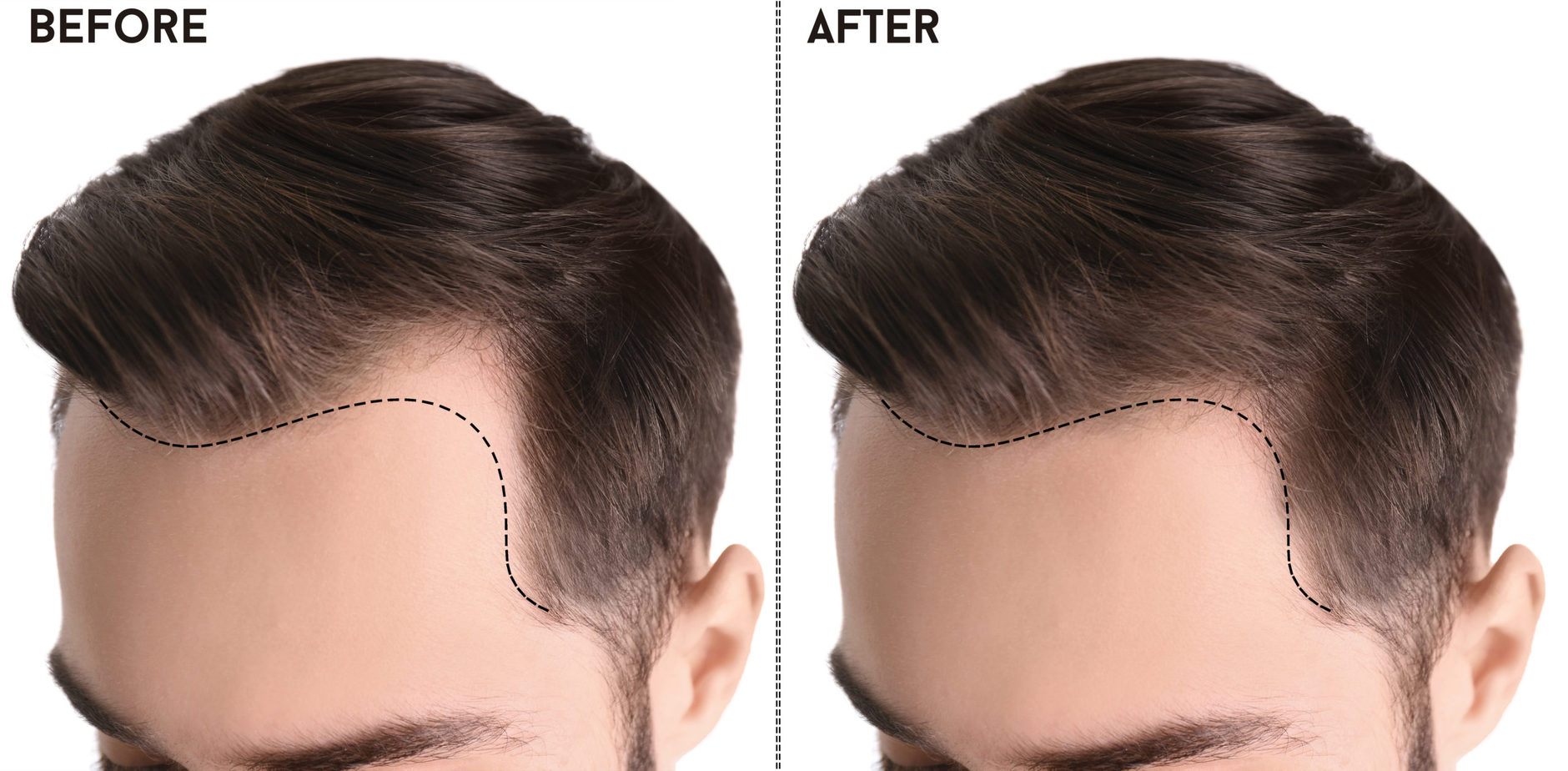
The myth surrounding creatine hair loss largely stems from a 2009 study involving college rugby players. Participants reported increased DHT (dihydrotestosterone) levels after using creatine supplements. DHT is an androgen known to contribute to hair loss in genetically predisposed individuals. However, it’s essential to highlight that the study had a small sample size and didn’t confirm a direct link between creatine and hair loss.
The Scientific Angle
To date, scientific evidence directly linking creatine to hair loss remains limited. While creatine may influence DHT levels slightly, the effect is not pronounced enough to conclusively cause hair loss. Hair loss, in most cases, is primarily due to genetics or hormonal imbalances; thus, attributing it solely to creatine usage might be misleading.
Balancing Benefits and Concerns
For those in the fitness community, creatine offers several advantages that can’t be overlooked. It boosts energy, aids muscle recovery, and can enhance workout performance. Balancing these benefits against the unsupported claims of hair loss will help individuals make informed decisions. Ultimately, consulting with healthcare providers before starting any supplement regimen ensures personal safety. 💪
Conclusion
While creatine has been shrouded in hair loss claims, current research provides insufficient evidence to affirm this link. For individuals concerned about hair loss, focusing on one’s genetic predispositions and consulting with healthcare professionals is more beneficial. Remember, creatine remains a well-researched supplement for improving athletic performance. ⚖️
FAQs About Creatine and Hair Loss
Q: Can creatine cause hair loss?
A: There is no substantial evidence linking creatine directly to hair loss. Hair loss is largely determined by genetics and hormonal factors.
Q: Should I stop taking creatine if I’m worried about hair loss?
A: If concerned, consult with a healthcare professional to address personal health needs rather than self-diagnosing based on myths.
Q: Are there any other side effects of creatine?
A: Creatine is safe for most people but can cause mild side effects like bloating, digestive discomfort, or dehydration. Stay hydrated and choose a quality product for best results.
BIG SALE | FAST SHIPPING
HOT PROMOTIONS!



ZPHC Clomid Clomiphene 25mg/tablet | 100 Tablets Total: 2500mg
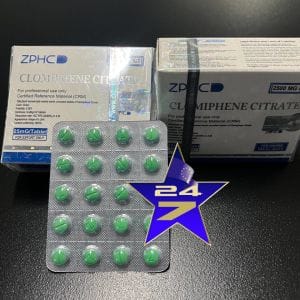
Original price was: $ 159.00.$ 65.00Current price is: $ 65.00.
CYT 3 6MG | T3 | Yohimbe | Clen | Weight Loss Blend | 100 Tablets Total Kit 600mg
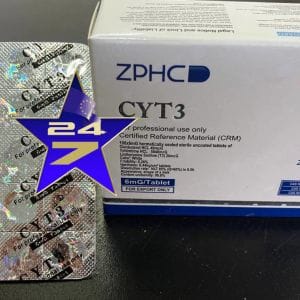
$ 69.00
Share This: #Bodybuilding #Bodybuildingmotivation #Powerlifting #Bodybuilder #Heavyweightlifting #Workoutathome #stayfit #bodybuilding
Creatine, a popular supplement among athletes and fitness enthusiasts for its ability to enhance muscle mass and improve exercise performance, has been surrounded by a mix of anecdotal claims and scientific inquiries regarding its impact on hair loss. While creatine itself is not directly linked to hair loss, concerns arise from its potential influence on dihydrotestosterone (DHT) levels, a hormone associated with hair follicle miniaturization and androgenic alopecia (male pattern baldness). A notable study suggested that creatine supplementation might increase DHT levels, causing apprehension among individuals prone to genetic hair loss. However, the evidence remains inconclusive, as the findings have not been consistently replicated and further rigorous research is needed. Ultimately, for those with a predisposition to hair loss, it is advisable to approach creatine supplementation with caution and perhaps consult a healthcare professional for personalized advice, considering both its potential benefits for physical performance and its speculative links to hair health.