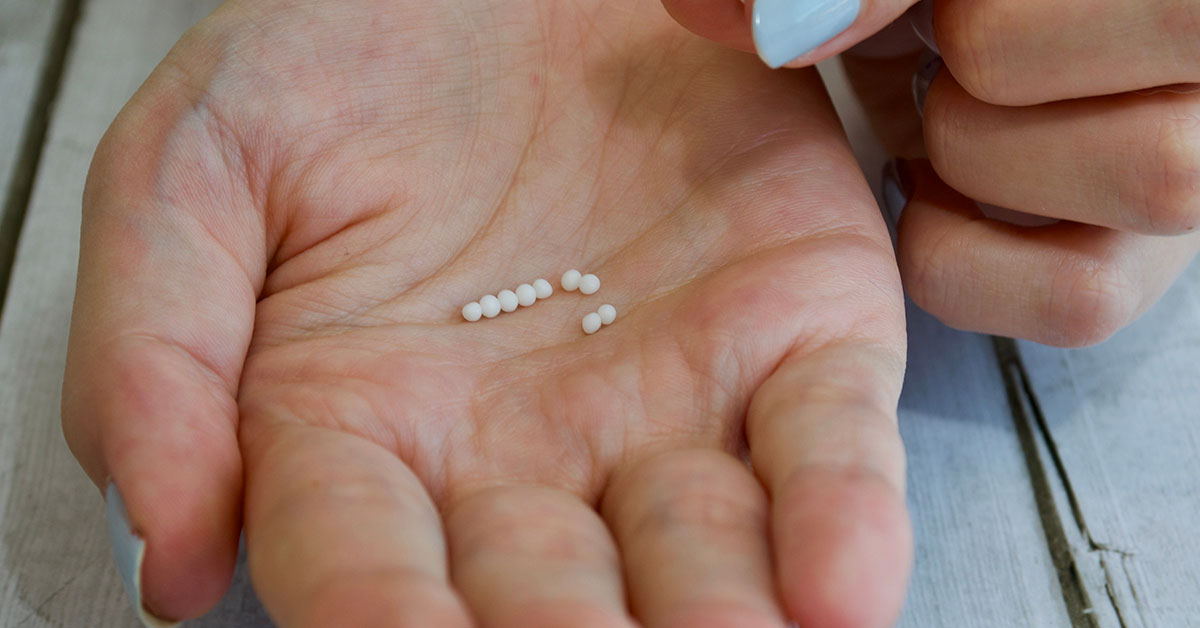
Creatine results
TABLE OF CONTENTS

Creatine is one of the most researched and popular supplements in the world of fitness and bodybuilding. Known for its ability to enhance muscle mass, improve strength, and boost overall athletic performance, creatine has become a staple in the routines of athletes and gym-goers alike. This article delves into what you can expect when adopting creatine into your regimen.
The Science Behind Creatine
Creatine is a natural substance found in muscle cells and plays a crucial role in the production of energy during high-intensity workouts. When you supplement with creatine, it increases the availability of phosphocreatine in your muscles, thereby improving your capacity for physical exertion. Whether you’re lifting heavy weights or engaging in explosive movements, this enhanced energy production is what contributes to impressive creatine results 💪.
What to Expect: Creatine Results
The creatine results you experience can vary depending on your training intensity, diet, and genetic factors. Typically, users report noticeable gains in muscle size within a few weeks. Creatine enhances water retention within muscle cells, giving them a fuller appearance 📈. Additionally, users often exhibit increased strength and power, allowing them to lift heavier and perform more reps during a workout.
Enhanced Recovery and Endurance
One of the less discussed but valuable creatine results is its impact on recovery and endurance. Creatine helps reduce muscle cell damage and inflammation following intense exercises, which can shorten recovery time and reduce muscle soreness. Moreover, it has shown to boost endurance levels by augmenting mitochondrial processes, offering even greater resilience during prolonged physical activity 🏃. For athletes and fitness enthusiasts, these factors combine to allow longer and more effective training sessions.
Conclusion
Incorporating creatine into your fitness plan can lead to remarkable improvements in muscle growth, strength, and athletic endurance. However, like any supplement, results are maximized when combined with a structured training program and a balanced diet. Given its scientifically backed benefits and minimal side effects, creatine remains a popular choice for those seeking to elevate their performance and achieve their fitness goals.
FAQs about Creatine
- Is creatine safe for long-term use? – Yes, multiple studies have shown that creatine is safe for long-term use when taken in recommended doses.
- How much creatine should I take? – A common dosage is 3-5 grams per day, though some start with a loading phase of 20 grams/day for the first week.
- Can I get creatine naturally? – Creatine is found naturally in foods like red meat and fish, but supplementation helps achieve optimal levels for athletic performance.
BIG SALE | FAST SHIPPING
HOT PROMOTIONS!

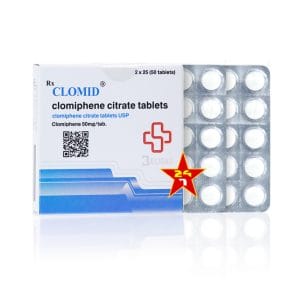
CROWX 👑 CLOMIROW 50 Mg / 50 Tabs ( Clomid )
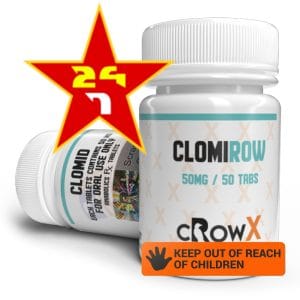
Original price was: $ 79.00.$ 69.00Current price is: $ 69.00.
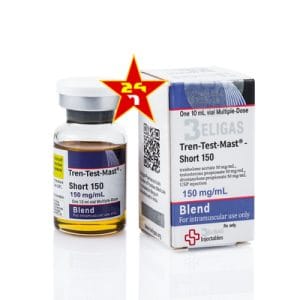
Beligas 10ml Vial Testosterone NPP Blend 150mg

Original price was: $ 119.00.$ 99.00Current price is: $ 99.00.



Feel free to share your thoughts and experiences with creatine in the comments. #Bodybuilding #Bodybuildingmotivation #Powerlifting #Bodybuilder #Heavyweightlifting #Workoutathome #stayfit #bodybuilding
Creatine is a popular supplement, particularly among athletes and bodybuilders, known for its potential to enhance physical performance and support muscle growth. Numerous studies have shown that creatine supplementation can lead to significant improvements in strength, power output, and lean muscle mass. This is largely attributed to creatine’s role in increasing the availability of phosphocreatine in muscles, which is crucial for the rapid regeneration of ATP molecules during high-intensity, short-duration exercises like weight lifting and sprinting. Additionally, creatine may aid in faster recovery and reduced muscle fatigue, enabling more intense and frequent workouts. While individual results can vary based on factors such as diet, exercise routine, and genetic predispositions, many users report noticeable gains in muscle size and strength within just a few weeks of consistent use. However, it’s important to use creatine responsibly and consult with a healthcare professional, particularly for individuals with pre-existing health conditions.