Creatine water retention
TABLE OF CONTENTS

Creatine is a popular supplement hailed for enhancing strength and muscle growth, making it a favorite in the world of fitness. 🌟 However, one aspect that athletes and gym-goers often discuss is creatine water retention. Let’s delve deeper into what creatine is, how it might cause water retention, and what this means for your fitness goals.
What is Creatine?
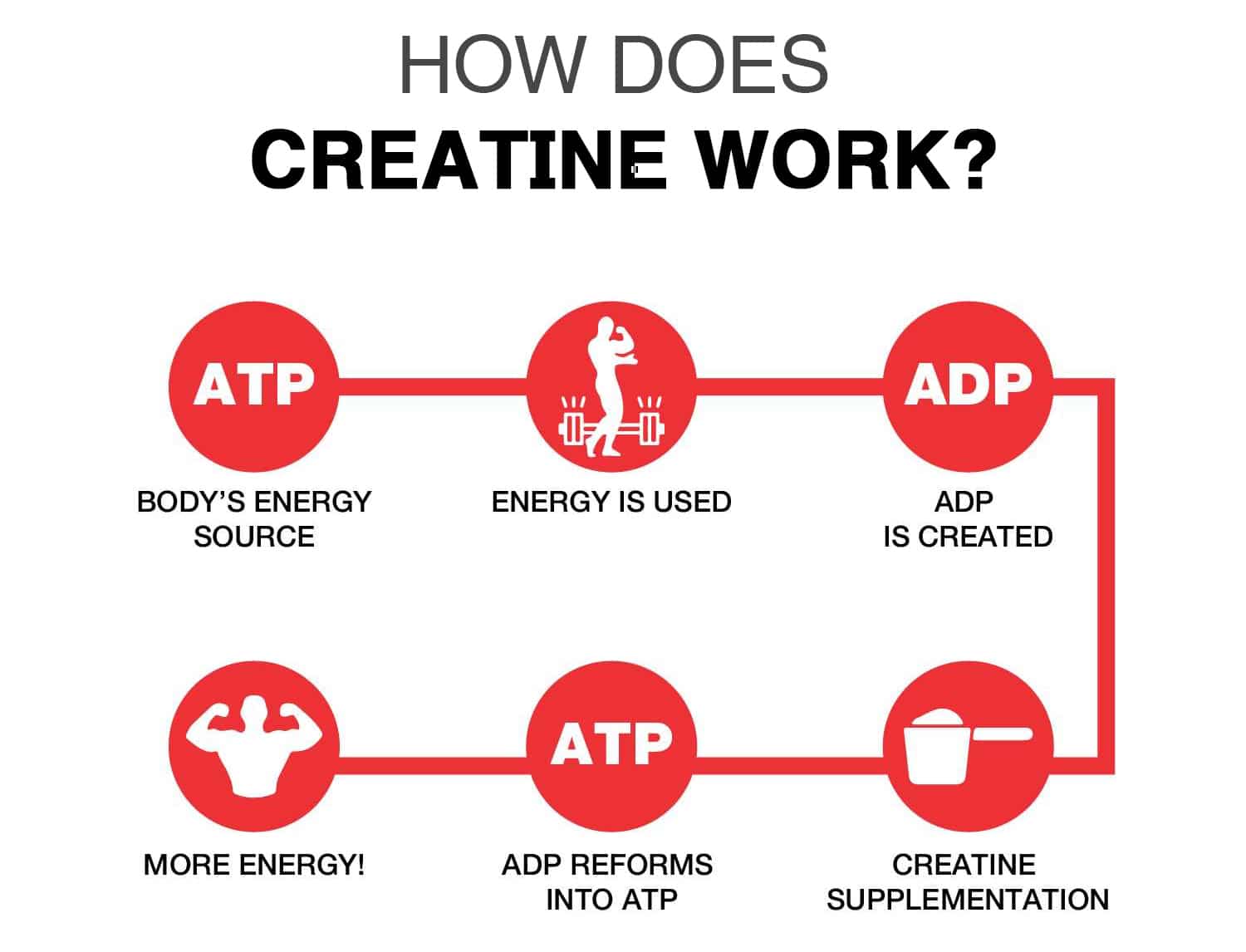
Creatine is a compound that occurs naturally in muscle cells. It helps produce adenosine triphosphate (ATP), which provides the energy muscles need to contract during high-intensity activities. Athletes and bodybuilders use creatine supplements to enhance their strength, sprint performance, and muscle mass. It’s available in various forms including creatine monohydrate, the most widely researched and utilized variant.
Mechanism of Creatine Water Retention
One of the side effects often associated with creatine supplementation is water retention. This phenomenon occurs because creatine draws water into the muscle cells, leading to increased cell volume. This is why users often notice a rapid gain in weight due to the extra water, not just the gain in lean muscle. 💪 Although this may sound alarming, it is typically harmless and temporary.
Potential Benefits of Water Retention
While some may see water retention as undesirable, it offers certain benefits. The increased water content in the muscles can enhance cellular hydration, leading to improved exercise performance and better muscle repair. Moreover, the visual effect of fuller muscles might be beneficial for those seeking a more muscular appearance.
Managing Creatine Water Retention
For those concerned about the side effects, there are various strategies to manage the temporary increase in water weight. Proper hydration, maintaining a balanced diet, and regular exercise can help mitigate concerns. Additionally, staying informed about your body’s response to creatine will guide you in optimizing your supplementation. 🏋️
Conclusion
In conclusion, creatine water retention is a common and expected effect of creatine supplementation, offering both temporary weight gain due to increased water storage in muscles and potential performance benefits. Understanding and managing this effect will allow individuals to maximize the advantages of creatine while minimizing personal discomfort. So whether you’re in the gym or working out at home, creatine could be a valuable ally in your fitness journey!
BIG SALE | FAST SHIPPING
HOT PROMOTIONS!



ZPHC UltraMix 10ml MultiUse Vial 1ml = 250mg

Original price was: $ 255.00.$ 179.00Current price is: $ 179.00.
CYT 3 6MG | T3 | Yohimbe | Clen | Weight Loss Blend | 100 Tablets Total Kit 600mg
$ 69.00

FIERCE CLOMID 50MG 50CAPS
Original price was: $ 129.00.$ 119.00Current price is: $ 119.00.
FAQs
- Does creatine water retention mean fat gain?
No, creatine water retention primarily increases water weight, not fat.
- How can I minimize creatine water retention?
Stay well-hydrated, maintain a balanced diet, and continue with your exercise regime.
- Is stopping creatine the only way to stop water retention?
Reducing the dose or adjusting your water intake can also help manage water retention without discontinuing creatine altogether.
- Does creatine water retention mean fat gain?
Join the conversation using these hashtags: #Bodybuilding, #Bodybuildingmotivation, #Powerlifting, #Bodybuilder, #Heavyweightlifting, #Workoutathome #stayfit #bodybuilding 🌟
Creatine monohydrate is a popular supplement among athletes and bodybuilders due to its ability to enhance muscle strength and performance. One notable side effect of creatine supplementation is water retention. This occurs because creatine increases the water content in muscle cells, often leading to a noticeable increase in body weight. While this might be perceived negatively, particularly by those aiming for weight loss, the water retention is primarily intracellular, meaning it is within the muscle cells themselves. This intracellular water can contribute to a fuller appearance of muscles and is integral in creating an optimal environment for increased protein synthesis and muscle growth. However, individuals might experience temporary bloating as the body adjusts to creatine supplementation, which generally subsides with continued use and adequate hydration. It’s important for users to maintain a balanced intake of water to minimize any discomfort associated with this effect.