Creatine water weight
TABLE OF CONTENTS

Understanding Creatine
Before diving into creatine water weight, it’s crucial to know what creatine itself is. Creatine is a naturally occurring compound found in small amounts in certain foods and also synthesized by the body. It plays a vital role in the production of adenosine triphosphate (ATP), the energy currency used by muscles during high-intensity exercises. This increase in ATP availability is why many weightlifters and athletes turn to creatine supplements for enhanced performance and muscle recovery.
What is Creatine Water Weight?
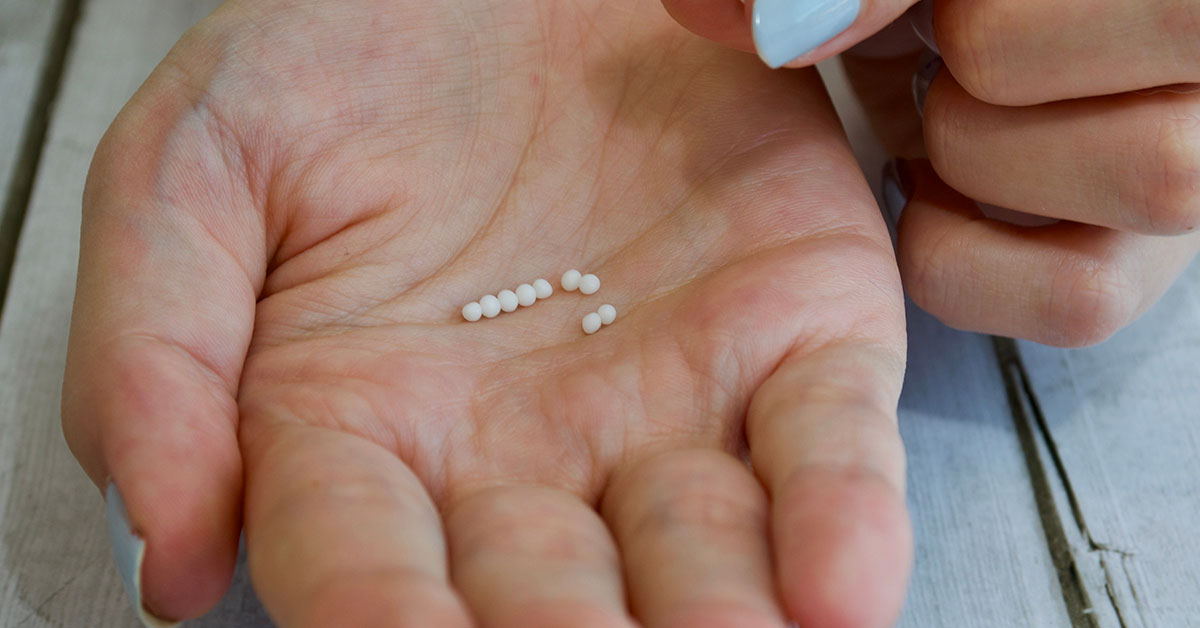
Upon starting creatine supplementation, many individuals notice an increase in scale weight. This change is primarily due to water retention. Creatine pulls water into the muscle cells, and while this may add a few pounds to the scale, it’s not to be confused with an increase in fat. Instead, this process can lead to enhanced muscle cell volumization, which might contribute to muscle growth and improved gym performance. 🤔
How to Manage Creatine Water Weight
For those concerned about the aesthetic impacts of creatine water weight, there are strategies to mitigate excessive water retention. Maintaining proper hydration, reducing sodium intake, and ensuring you’re on a balanced diet can help. It’s also important to differentiate between temporary water weight gain and long-term muscle growth achieved through consistent workouts and proper nutrition.
Conclusion: Is Creatine Worth It?
While the initial increase in weight from creatine might dissuade some, the benefits it offers in terms of strength enhancement, muscle growth, and workout performance are well-documented and valuable for many athletes. By maintaining a balanced approach to diet, hydration, and exercise, one can effectively manage creatine water weight and still reap its significant benefits. 🏋️♂️
FAQs
- Does creatine water weight mean I’m gaining fat? No, creatine water weight results from water retention in the muscles, not fat accumulation.
- How long does creatine water weight last? The initial weight gain may last about a week or two, adjusting as your body adapts to the supplement.
- Can I avoid creatine water weight altogether? Some degree of water retention is a normal side effect of creatine, but proper hydration and diet can help manage it.
BIG SALE | FAST SHIPPING
HOT PROMOTIONS!



CROWX 👑 CLOMIROW 50 Mg / 50 Tabs ( Clomid )

Original price was: $ 79.00.$ 69.00Current price is: $ 69.00.

Creatine is a popular supplement among athletes and fitness enthusiasts due to its ability to enhance strength, increase lean muscle mass, and improve exercise performance. One commonly discussed aspect of creatine supplementation is the retention of water weight. When individuals start taking creatine, it’s not uncommon to experience an initial increase in body weight, which is primarily attributed to water retention. Creatine works by pulling water into muscle cells, which leads to a fuller and more voluminous muscle appearance – a phenomenon that’s often perceived as “bulking up.” This increase in intracellular water can also contribute to better hydration of muscles, potentially improving performance and reducing the risk of injury. However, this water weight is not fat gain, and once supplementation is stopped, the excess water retention generally subsides. It’s crucial for users to maintain proper hydration and adjust their expectations, understanding that this water weight can be a healthy and temporary phase of the muscle-building process.