
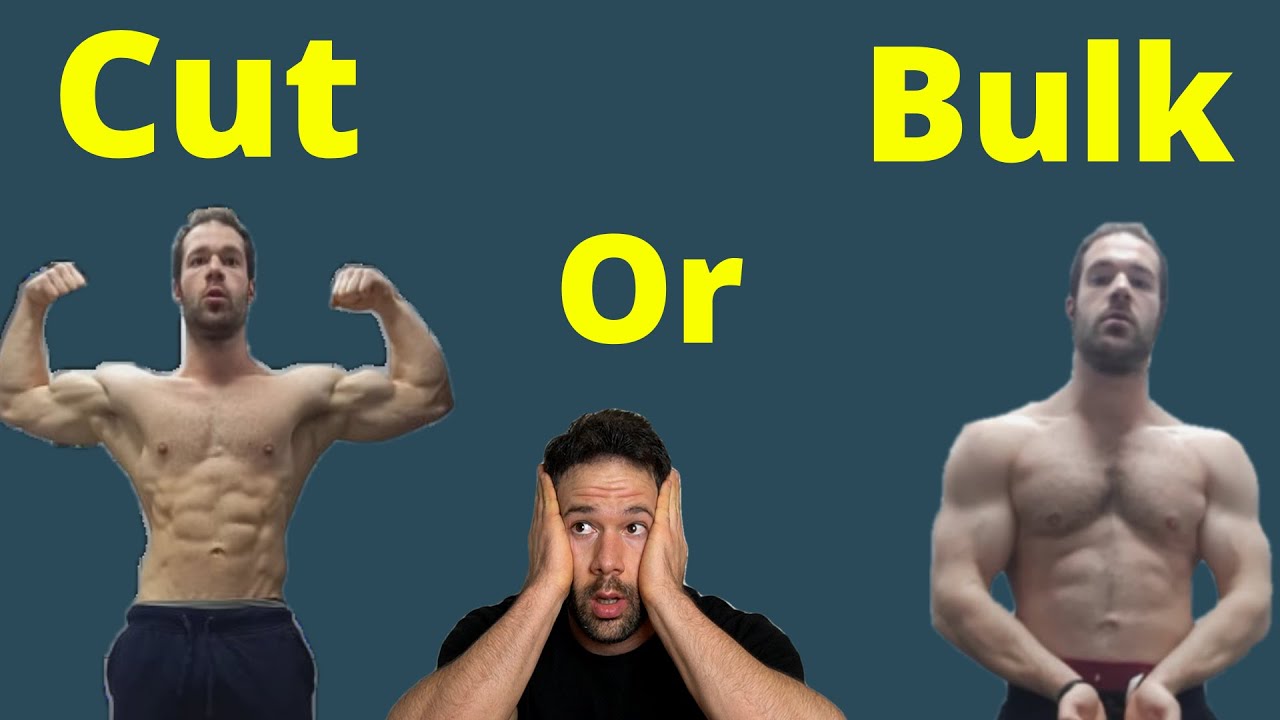
Cut or Bulk: Decoding the Fitness Dilemma

When it comes to fitness and bodybuilding, understanding the phases of cuts vs bulk is crucial for achieving the desired physique. Both processes are integral parts of a comprehensive fitness journey, each serving a specific purpose in muscle development and fat reduction. This article will delve deep into the intricacies of cuts and bulk, providing insights and guidance suitable for both beginners and seasoned gym enthusiasts.
Understanding Cuts vs Bulk
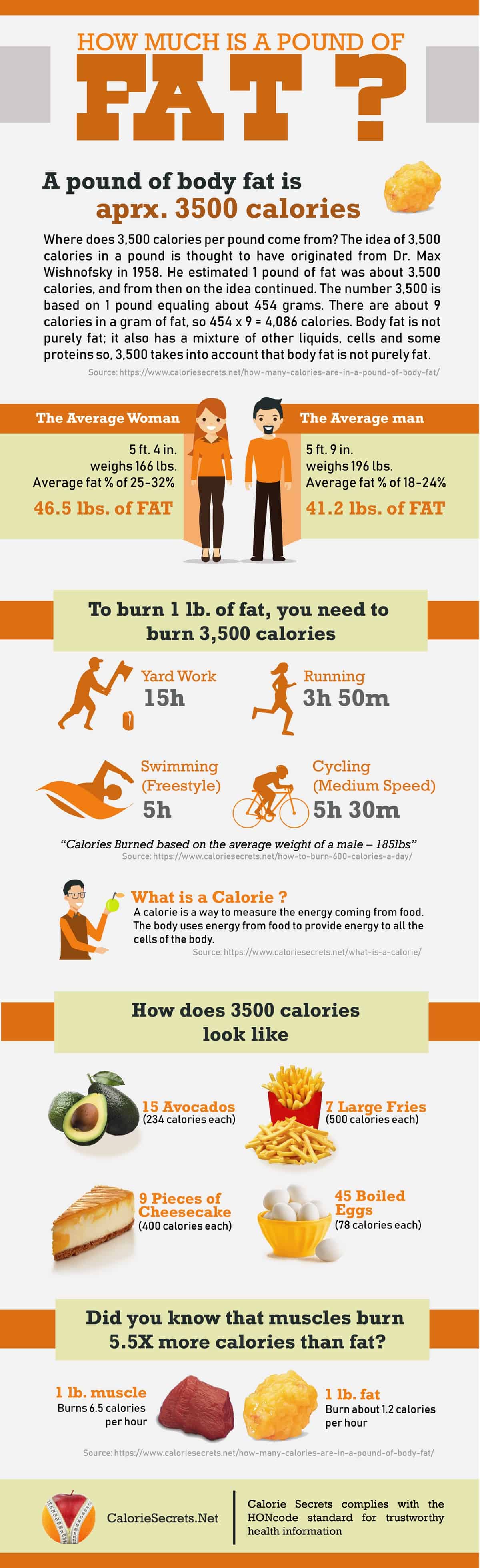
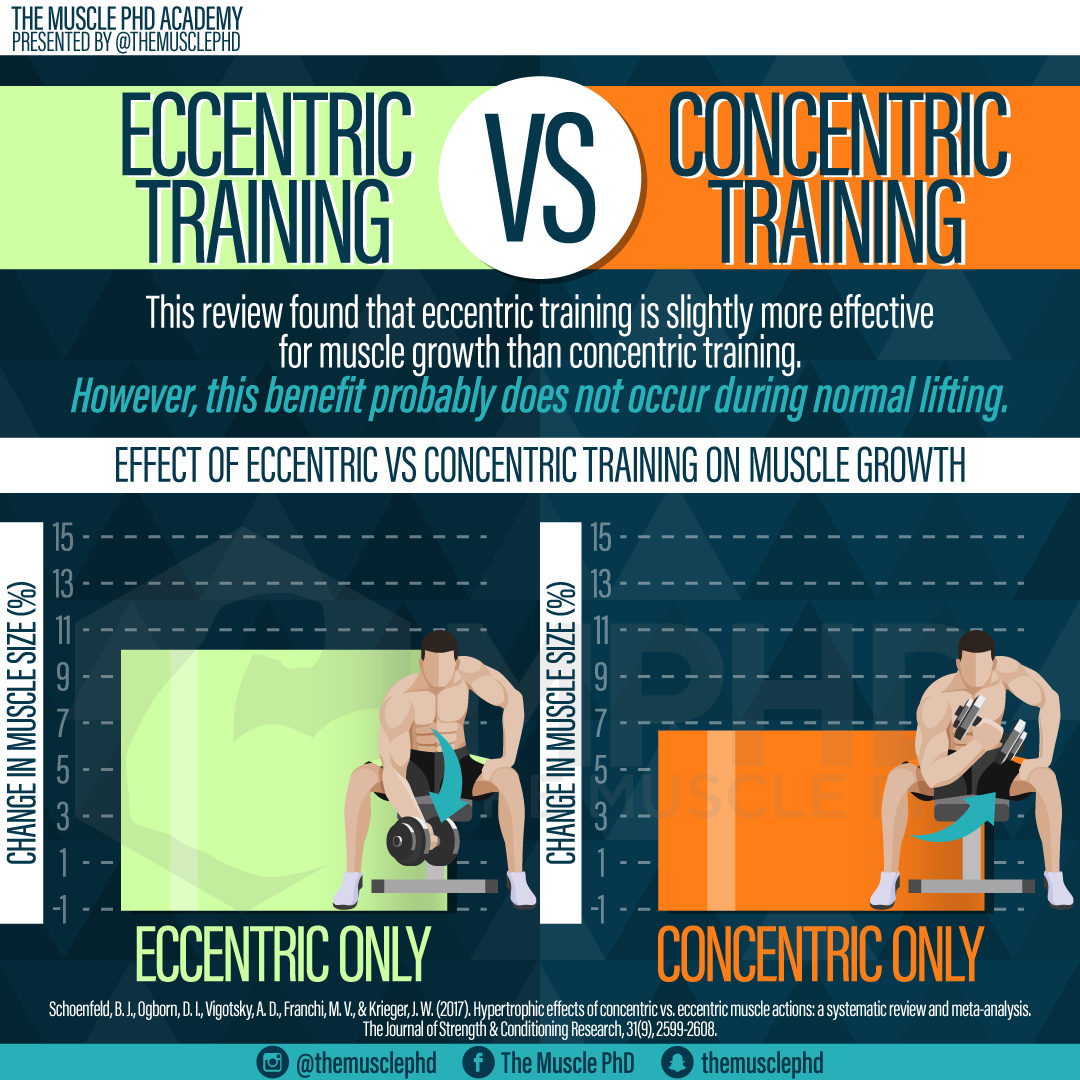
In the realm of bodybuilding, cuts and bulk are two distinct phases. Bulking is primarily focused on muscle gain. During this phase, individuals consume a surplus of calories, often coupled with intense resistance training, with the goal of increasing muscle mass and strength. On the other hand, cutting involves reducing body fat while maintaining muscle mass. This phase is characterized by a calorie deficit and often includes increased cardiovascular activity to aid fat loss.
The Science Behind Cuts vs Bulk
Bulking is often associated with increased energy levels and strength. The additional calories consumed provide the necessary energy for intense workouts, allowing for muscle growth and recovery. This phase often requires a delicate balance, ensuring that the calorie surplus does not lead to excessive fat gain.
Conversely, cutting requires meticulous attention to diet and exercise. The caloric intake is strategically reduced to foster fat loss while maintaining muscle mass. This often involves a higher protein intake and possibly the incorporation of more high-intensity interval training (HIIT) workouts.
Explore more about effective workout routines designed for bulking and cutting.
Implementing Cuts vs Bulk: A Practical Approach
The successful implementation of cuts and bulk in a fitness regime requires planning. During the bulking phase, it is essential to focus on compound exercises such as squats, deadlifts, and bench presses. Additionally, maintaining a well-rounded diet rich in proteins, carbohydrates, and healthy fats is crucial.
When entering the cutting phase, nutrition becomes even more critical. Reducing calorie intake while still consuming sufficient protein to preserve muscle mass is key. Incorporating cardio exercises alongside weight training will enhance the fat loss process.
Conclusion: Mastering Cuts and Bulk
Understanding and effectively managing cuts vs bulk can significantly impact one’s fitness journey. Whether you’re aiming to build muscle or reduce fat, careful planning, and execution is essential. Each phase complements the other, creating a cycle that can ultimately lead to improved body composition and strength.
For a deeper understanding of nutrition’s role in these phases, check this detailed nutritional guide.
FAQs: Frequently Asked Questions About Cuts vs Bulk
What is the main goal of bulking?
The primary goal of bulking is to increase muscle mass and strength through a calorie surplus and intensive weight training.
How long should a bulking phase last?
A typical bulking phase can last anywhere from a few months to a year, depending on personal goals and progress.
Can you lose fat during a bulking phase?
While the primary aim is muscle gain, some fat loss can occur through increased muscle metabolism, but significant fat loss is not expected.
What foods should I focus on during the cutting phase?
During the cutting phase, emphasize lean proteins, leafy greens, whole grains, and healthy fats to maintain muscle while losing fat.
How do I maintain muscle while cutting?
Maintaining a high protein intake and engaging in regular resistance training is vital for preserving muscle mass during the cutting phase.
BIG SALE | FAST SHIPPING
HOT PROMOTIONS!
CROWX 👑 CLOMIROW 50 Mg / 50 Tabs ( Clomid )
Original price was: $ 79.00.$ 69.00Current price is: $ 69.00.





When it comes to bodybuilding and fitness, the terms “cut” and “bulk” represent two distinct phases aimed at achieving different goals that are essential for muscle development and fat management. The “bulking” phase involves consuming a caloric surplus to gain muscle mass, often accompanied by an increase in body fat as a natural consequence of higher calorie consumption. During this phase, the focus is primarily on strength training and heavy lifting to stimulate muscle growth while accepting some fat gain as part of the process. On the other hand, the “cutting” phase focuses on shedding excess body fat to reveal the muscle mass gained during the bulk, achieved through a caloric deficit, increased cardiovascular activity, and maintaining a high protein intake to preserve muscle tissue. This phase often involves fine-tuning diet and exercise regimens to improve muscle definition while being careful not to lose hard-earned muscle. Balancing these two phases is crucial for achieving a sculpted physique, as it requires strategic planning to maximize muscle growth and minimize fat retention without compromising health.