
Deadlift barbell

Understanding the Deadlift Barbell
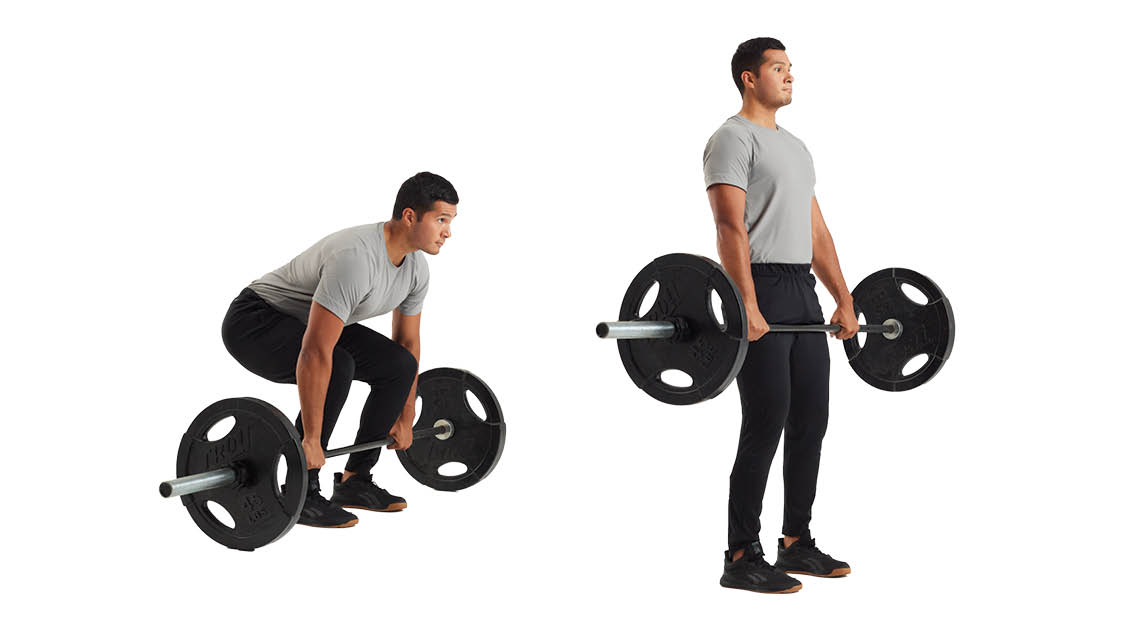
The deadlift barbell is an essential piece of equipment in strength training and weightlifting. It is used to perform the deadlift, a fundamental exercise that targets multiple muscle groups, including the lower back, glutes, hamstrings, and core. This exercise is not only beneficial for building power and strength but also important for improving overall functional fitness.
Importance of Using a Deadlift Barbell
Utilizing a deadlift barbell allows individuals to handle heavier weights with proper form. The design of the barbell—typically characterized by its thickness, knurling (textured grip areas), and sometimes slight flex—enables lifters to have a more secure grip and better engagement of the muscles involved. This, in turn, can lead to more effective workouts and decreased risk of injury.
Technique and Form
Proper technique is crucial when using the deadlift barbell. Begin by standing with your feet hip-width apart under the barbell, ensuring the bar is over the middle of your feet. Grip the bar just outside your knees, keeping your back straight and core engaged. Drive through your heels as you lift the barbell, extending your knees and hips simultaneously. It is important to keep the bar close to your body throughout the lift.
FAQs
What weight should beginners start with on a deadlift barbell?
Beginners should start with a weight they can handle comfortably with correct form, usually between 50-60% of their body weight. Focus on mastering the technique before increasing the weight.
How does a deadlift barbell differ from a standard barbell?
A deadlift barbell usually has more whip (flexibility), potentially allowing for a slightly easier lift, and may have sharper knurling for a stronger grip compared to a standard barbell.
Can using a deadlift barbell help with other exercises?
Yes, training with a deadlift barbell can improve strength and stability, benefiting other lifts such as squats and rows by enhancing core and grip strength.
By incorporating the deadlift barbell into a routine, individuals can experience significant gains in strength and overall fitness.
FREE SHIPPING
CLICK HERE!
HOT PROMOTIONS!








The deadlift barbell is an essential tool in strength training, particularly for those focusing on building overall muscular strength and power. It is specifically designed to accommodate the heavy loads required for the deadlift exercise, a movement that targets a range of major muscle groups including the hamstrings, glutes, lower back, and forearms. A typical powerlifting barbell used for deadlifting features specific characteristics that differentiate it from other barbells, such as a slightly longer shaft and more pronounced whip, which refers to the bar’s ability to flex and then return to its original position. This elasticity can aid lifters by providing additional momentum as they pull the weight off the ground. Additionally, deadlift barbells often have a rougher knurling pattern to enhance grip, ensuring the bar does not slip from the lifter’s hands during the lift.
Incorporating deadlift barbells into a training regimen can lead to significant physiological benefits, including improved strength and muscle mass, enhanced grip strength, and better posture by increasing core stability and lower back strength. Moreover, mastering the deadlift movement with a deadlift barbell can boost athletic performance in other sports and physical activities, thanks to its focus on functional strength and movement patterns. When using a deadlift barbell, proper form is crucial to prevent injury and to maximize efficiency. Lifters should maintain a flat back, engage the core, and utilize a motion where they push through their heels to lift the barbell while keeping it close to the body throughout the lift. Whether used in personal training, bodybuilding, or powerlifting contexts, the deadlift barbell remains a cornerstone for those seeking to develop a comprehensive and robust strength profile.