

Demisexuality: What It Means to Desire Emotional Connection First

In a world where sexual attraction often feels instantaneous, the concept of demi sexuality provides a refreshingly different perspective. This orientation emphasizes emotional connection as a precursor to sexual attraction. While it may seem unusual to some, understanding demi sexuality can unravel the nuances of human sexual orientation and preferences.
What is Demi Sexuality?
Demi sexuality falls under the umbrella of asexuality, aligning closely with those who do not experience sexual attraction without an emotional bond. For individuals identifying as demi sexual, forming a deep, meaningful emotional connection is essential before sexual attraction can develop. This intrinsic requirement for emotional intimacy distinguishes demi sexuality from mainstream sexual orientations, where physical attraction might occur independently of emotional ties.
Demi sexuality is not a choice or a matter of convenience but rather an innate part of a person’s identity. Many who identify as demi sexual may struggle with societal expectations of instant attraction, often encountering misunderstandings from peers who do not share the same experiences. For those who identify this way, forming valuable relationships that transcend mere physical attraction is paramount.
Characteristics of Demi Sexuality
The characteristics of demi sexuality are grounded in the prioritization of emotional connections. An individual who is demi sexual might initially identify a person they are drawn to emotionally, forming bonds through shared experiences, common interests, and genuine interactions. Only after establishing this rapport will they experience any form of sexual attraction.
People within the demi sexuality spectrum may also identify other aspects of their sexuality beyond this orientation. For instance, someone who is demi sexual could also be bisexual, heteroromantic, or panromantic, to name a few possibilities. Each demi sexual’s experience is unique, and how they navigate relationships varies greatly.
Embracing Demi Sexuality in Society
As society progresses in its understanding of diverse sexual orientations, there’s a growing awareness and acceptance of demi sexuality. Communities both online and offline are emerging to celebrate and support those who identify as demi sexual, providing safe spaces for individuals to express themselves without judgment or ridicule.
Despite this growing acceptance, challenges remain. Misconceptions surrounding demi sexuality can lead to interpersonal misunderstandings, where the expectation of immediate physical attraction does not align with the experiences of a demi sexual individual. Educational initiatives and open conversations about sexual diversity play a crucial role in dispelling myths and fostering a more inclusive society.
Conclusion
Demi sexuality underscores the depth of emotional bonds in human relationships. By understanding and acknowledging the importance of these connections, society can foster environments where all orientations, including demi sexuality, are respected and valued. Building awareness and acceptance around demi sexuality is crucial for paving the way towards a more inclusive world where everyone can be their authentic selves.
BIG SALE | FAST SHIPPING
HOT PROMOTIONS!
ZPHC UltraMix 10ml MultiUse Vial 1ml = 250mg
Original price was: $ 255.00.$ 179.00Current price is: $ 179.00.

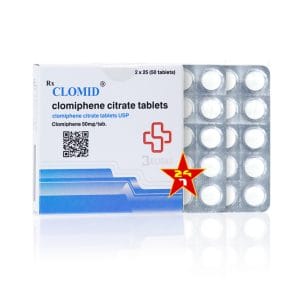
ZPHC Clomid Clomiphene 25mg/tablet | 100 Tablets Total: 2500mg
Original price was: $ 159.00.$ 65.00Current price is: $ 65.00.
FAQs
What distinguishes demi sexuality from other orientations?
Demi sexuality is unique in its requirement for a strong emotional connection before sexual attraction can manifest. This distinguishes it from orientations where physical attraction might exist independently of emotional bonds.
Can a demi sexual individual be in a relationship?
Yes, individuals who identify as demi sexual can form deep, meaningful relationships. These relationships often thrive on emotional intimacy, leading to strong bonds and potentially sexual attraction over time.
Is demi sexuality a part of the LGBTQ+ spectrum?
Demi sexuality is considered a part of the asexual spectrum and, consequently, is often included under the broader LGBTQ+ umbrella, emphasizing diversity in sexual orientations and identities.
For further reading on the subject, you might find resources like The Trevor Project and Planned Parenthood’s Sexual Orientation and Gender Identity Guide insightful. These organizations provide comprehensive information and support for diverse sexual orientations.
Demisexuality is a sexual orientation characterized by a person experiencing sexual attraction to others only after forming a deep emotional bond. Unlike those who may experience immediate physical attraction, demisexual individuals often require a significant level of emotional intimacy and connection before feeling any sexual attraction. This orientation falls under the broader asexual spectrum, differentiating itself by the necessity of an emotional connection rather than the absence of sexual attraction altogether. For demisexual people, relationships often emphasize the importance of emotional compatibility and understanding, highlighting the unique ways in which they experience attraction within romantic and sexual relationships. Such connections may be built over time, necessitating patience and mutual engagement in emotional sharing, leading to a gradual development of attraction once a strong bond is formed.