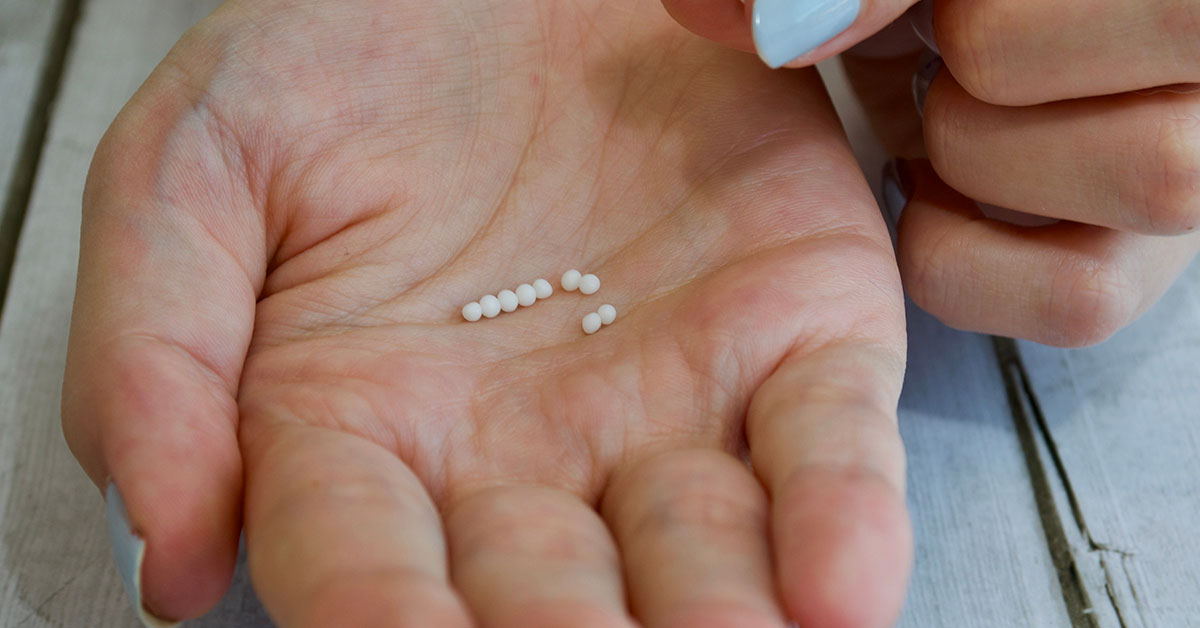
Dianabol tablet
TABLE OF CONTENTS

Dianabol tablets, a popular anabolic steroid, are widely known among bodybuilders and athletes for their muscle-building effects. Though effective, it’s crucial to understand these tablets’ impacts, usage, and potential risks. This article dives into these aspects to provide a balanced view.
What is Dianabol?
Dianabol, chemically known as Methandrostenolone, is an orally administered anabolic steroid. It was initially developed in the 1950s to enable athletes, especially bodybuilders and powerlifters, to enhance their performance and muscle mass. The key attribute that makes Dianabol appealing is its capacity to significantly increase protein synthesis and nitrogen retention, essential components in muscle growth and recovery.
How Does Dianabol Work?
Dianabol tablets function by enhancing nitrogen retention in the muscles. This process is crucial as it directly affects protein synthesis. A positive nitrogen balance ensures that muscles are not only maintained but grown and repaired after intensive workouts. Additionally, it boosts glycogenolysis, meaning the body can convert glycogen to glucose more effectively, allowing for prolonged energy during workouts.
Usage and Dosage
Most cycles involving these tablets range from 4 to 6 weeks. New users often start with a lower dosage to assess tolerance, generally between 20-30 mg per day, while more experienced users might go up to 50 mg daily. It’s important never to exceed recommended dosages to avoid adverse side effects.
Potential Benefits
For many users, the benefits of Dianabol tablets include rapid muscle gain, increased strength, and better overall performance. Most users report noticeable improvements within the first few weeks of starting a cycle. Such results can be extremely motivating for bodybuilders striving for quicker success.
Side Effects and Risks
While Dianabol tablets offer substantial benefits, they do come with potential side effects if not used responsibly. Some users may experience elevated blood pressure, liver damage, or hormonal imbalances, which can lead to conditions such as gynecomastia. Moreover, as with many anabolic steroids, there’s a risk of dependency.
Legal and Ethical Considerations
In many countries, using these tablets without a prescription is prohibited. The possession and distribution of anabolic steroids for non-medical use can lead to significant legal consequences. Ethical considerations also play a role, as the use of such substances is banned in most official sports competitions.
Are There Alternatives?
Yes, there are legal and safer alternatives to Dianabol tablets available today, known commonly as “legal steroids” or supplements that mimic the effects without the associated health risks. These options are increasingly popular among fitness enthusiasts seeking results without compromising their health.
Final Thoughts
Understanding the impacts of Dianabol tablets is crucial for anyone considering their use. While they offer significant advantages in muscle growth and strength, the potential side effects and legal issues cannot be ignored. Always prioritize health and safety by using any steroids responsibly and under the guidance of a healthcare professional.
Ultimately, whether to use these tablets is a personal choice that should be made with full awareness of the potential risks and benefits involved.
BIG SALE | FAST SHIPPING
HOT PROMOTIONS!

STADA MEGA CUTS BLEND 300 MG 10ML (TRENBOLONE)
Original price was: $ 129.00.$ 119.00Current price is: $ 119.00.
FIERCE CLOMID 50MG 50CAPS
Original price was: $ 129.00.$ 119.00Current price is: $ 119.00.


This article serves to inform and not to promote the unauthorized use of steroids. It’s important to consult healthcare professionals before starting any supplement or steroid regimen.
#stayfit
Dianabol, whose scientific name is Methandrostenolone, is a potent oral anabolic steroid initially developed in the 1950s by Dr. John Ziegler in collaboration with Ciba Pharmaceuticals. It quickly became popular among athletes and bodybuilders due to its effectiveness in promoting rapid muscle growth and strength enhancement. Dianabol functions by increasing nitrogen retention and protein synthesis in muscles, thus facilitating extensive gains in muscle mass. Despite its widespread use in the early days of bodybuilding, Dianabol has been associated with significant side effects, including liver toxicity, elevated blood pressure, and changes in cholesterol levels, which has led to its prohibition in many countries for non-medical purposes. Consequently, while it remains a topic of interest in discussions of steroid use, its legal status and potential health risks necessitate a cautious approach to its use.