Methocarbamol: Uses, Benefits, and Brand Names

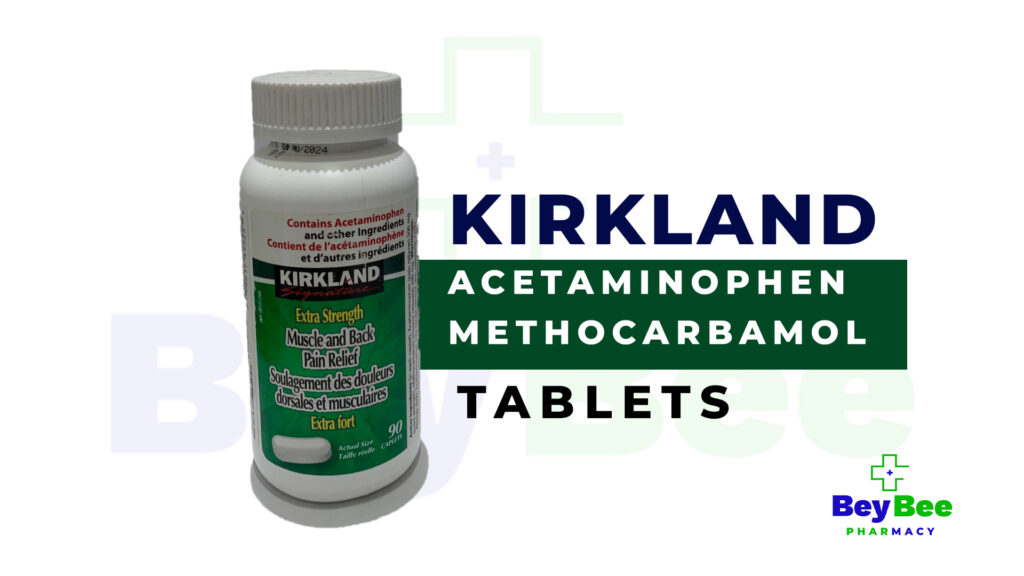
Methocarbamol, sold as Robaxin, is a muscle relaxant for relieving pain from strains and other conditions. It blocks nerve impulses to the brain, aiding symptom relief and mobility improvement. Often used with rest and therapy, it’s crucial to follow medical instructions and watch for side effects like dizziness.

Meet Asian Arnold: The Rising Star in the World of Bodybuilding

In recent years, the fitness world has witnessed the inspiring journey of Asian Arnold, synonymous with dedication and excellence in bodybuilding. Known as the ‘Asian Arnold Schwarzenegger,’ he has set new standards for enthusiasts across Asia. Born in Southeast Asia, his passion blossomed with makeshift weights. His philosophy champions hard work, consistency, and a personalized approach, integrating strength training, HIIT, and a planned diet. Promoting diversity, he shatters stereotypes, inspiring diverse communities. More than physical prowess, he embodies perseverance and innovation, redefining success in bodybuilding.

Understanding Oxycodone Pink: What You Need to Know

Oxycodone pink, with its distinct color, is an opioid medication for managing moderate to severe pain. It often comes as immediate-release tablets for quick relief, with the “pink” label indicating a specific dosage or manufacturer’s design. While effective, it carries a high risk of addiction, requiring careful prescription and monitoring. Its use is part of a broader pain management strategy to minimize dependency.

Understanding Trazodone: Is It Addictive?

Trazodone is an antidepressant often used for depression and anxiety, with off-label use as a sleep aid due to sedative effects. It generally has a low addiction potential compared to benzodiazepines, but psychological dependence can occur, especially with long-term or high-dose use. Gradual discontinuation under medical supervision is advised to prevent withdrawal symptoms.

What You Need to Know About the L484 Oval White Pill

L484 oval white tablets are a recognized over-the-counter medication known for pain relief, containing 500 mg of acetaminophen. This active ingredient offers analgesic and antipyretic properties, making it effective for headaches, muscle aches, and fevers. Adhering to dosage instructions is crucial, as excessive use may lead to liver damage. Always consult with healthcare professionals if there are concerns regarding other medications or health conditions to avoid adverse interactions.

Understanding Wet Brain: Causes, Symptoms, and Prevention

“Wet brain” refers to Wernicke-Korsakoff syndrome, a severe neurological disorder usually due to thiamine (vitamin B1) deficiency, often linked to chronic alcohol consumption. Symptoms include confusion, lack of coordination, and eye movement issues. It can progress to memory loss and cognitive impairments if untreated. Diagnosis involves medical history, blood tests, and imaging. Treatment focuses on thiamine supplementation. Prevention includes a balanced diet and moderating alcohol use. Early intervention is crucial, though advanced cases may lead to irreversible damage.

Unpacking Alcohol: Stimulant or Depressant?

Alcohol is classified as a depressant. Though it may initially create feelings of euphoria and lowered inhibitions, its primary effect is to slow down the central nervous system. This leads to impaired cognitive function, decreased coordination, and drowsiness. As consumption increases, the depressant effects intensify, potentially causing serious health issues.

Identifying Xanax: What Does It Look Like?

Xanax, commonly used to treat anxiety and panic disorders, appears in various forms. Typically, Xanax tablets are small and either oval or elliptical. They come in different colors based on dosage: 0.25 mg is white, 0.5 mg is peach, 1 mg is blue, and 2 mg is white, yellow, or green. These tablets often include identifying imprints to differentiate them from other medications.

Muscle Relaxers: Can They Lead to Dependence?

Muscle relaxers, often used for relieving muscle spasms, can vary in their potential for addiction. Antispasmodics like carisoprodol may cause dependence due to their sedative effects, while others like cyclobenzaprine have a lower risk. It’s essential to use these medications as prescribed to avoid misuse and potential addiction, especially when combined with alcohol or other depressants. Regular medical supervision and adherence to prescribed dosages help minimize risks.

Puffy Face: How Alcoholism Affects Facial Appearance

Alcoholism can cause a “puffy face,” characterized by noticeable swelling due to the vasodilatory effects of alcohol, which expand blood vessels and lead to fluid retention. Chronic drinking impairs the liver’s toxin elimination, exacerbating puffiness. Dehydration also prompts water retention. Addressing alcoholism and seeking professional support can help mitigate these symptoms, as recovery can improve overall health and appearance.

Mixing Lexapro and Alcohol: What You Need to Know

Lexapro, a selective serotonin reuptake inhibitor (SSRI), is used to treat depression and anxiety by regulating serotonin levels in the brain. However, mixing Lexapro with alcohol can amplify side effects like dizziness and drowsiness. Alcohol may also negate Lexapro’s benefits, potentially worsening depression. Consulting a healthcare provider for personalized advice on alcohol consumption is crucial for those taking Lexapro. Each individual’s response can vary, making medical guidance essential to safely manage the use of medication and alcohol.

Understanding Shrooms: How Long Do They Stay in Your System?

Psilocybin, found in magic mushrooms (shrooms), is typically detectable for about 24 hours after ingestion, though this can vary. The effects last 4-6 hours, with the drug mostly eliminated through urine in a day. However, metabolites might be detectable longer, up to a week, depending on the test. Variables like dosage, metabolism, and health impact how long shrooms stay in the system. Standard drug tests don’t usually screen for psilocybin, but specialized tests can.

Greens Out Initiative: Transforming Urban Spaces into Green Havens

“In recent years, ‘greens out’ has become a buzzword among gardening enthusiasts and landscape managers. The concept involves the removal or reduction of certain types of greenery to enhance the aesthetic appeal or ecological balance of a landscape. Despite sounding counterintuitive, strategic implementation can lead to healthier, sustainable environments by controlling invasive species and reducing overgrowth to prevent pests and diseases. Furthermore, ‘greens out’ in urban areas helps maintain green spaces without compromising space for infrastructure, creating functional public areas.”

Understanding Weed in Your System: How Long Does Weed Stay?

The length of time that weed stays in your system varies based on factors like frequency of use, body fat percentage, metabolism, and test type. THC can be detected in urine for up to 3 days after single use in occasional users, up to 15 days for regular users, and longer for heavy users. Blood tests detect THC for 1–2 days, hair tests up to 90 days, and saliva tests for 24-72 hours. These timeframes are approximate and can differ from person to person.

The Rise of Korean Wrestling: Tradition Meets Modernity

Korean wrestling, or Ssireum, is a traditional sport rooted in Korean culture and history, emphasizing technique and balance over brute strength. Competitors wear a “satba” belt and aim to throw each other in a sandpit. Victory occurs when an opponent’s body above the knee touches the ground. Ssireum, featured in festivals, symbolizes strength and community, sustaining cultural pride.

Understanding Lyrica: Is It an Opioid?

Lyrica, or pregabalin, is not an opioid. It is an anticonvulsant and neuropathic pain agent used for nerve pain, fibromyalgia, and certain seizures. Unlike opioids, it doesn’t target opioid receptors, reducing addiction risk. Misuse can still lead to side effects and dependence, though risks are lower than opioids.

Wellbutrin: Common Side Effects and What to Expect

Wellbutrin, also known by its generic name bupropion, is an antidepressant commonly used to treat major depressive disorder and to aid smoking cessation. While it is generally well-tolerated, some individuals may experience side effects such as insomnia, dry mouth, and weight loss. More serious but less common side effects include increased heart rate, high blood pressure, and an increased risk of seizures, especially at higher doses. It’s essential for patients to discuss any adverse effects with their healthcare provider.

Kratom Withdrawal: What to Expect and How to Cope

Kratom withdrawal symptoms can mirror those experienced with opioids, although they are typically milder. Individuals may encounter both physical and psychological effects like muscle aches, insomnia, nausea, vomiting, diarrhea, and sweating. Psychological symptoms may include anxiety, irritability, mood changes, and cravings. The severity of withdrawal varies based on duration and dosage of use. Regular users at high doses face greater risks. Treatment centers on supportive care and gradual tapering to alleviate symptoms.

Understanding Methocarbamol: Uses, Benefits, and Side Effects

Methocarbamol is a central nervous system depressant used as a muscle relaxant for spasms and discomfort from acute musculoskeletal conditions. It dampens nerve impulses causing muscle twitching. Administered orally, it’s often combined with rest and physical therapy for relief and improved mobility. Side effects may include dizziness and drowsiness. Avoid alcohol and exercise caution with activities requiring alertness.

Gabourey Sidibe’s Inspiring Weight Loss Journey

Gabourey Sidibe, known for her role in “Precious,” embarked on a transformative weight loss journey. Diagnosed with type 2 diabetes, she opted for bariatric surgery in 2016. Her approach combined a balanced diet, exercise, and mental well-being. Sidibe’s journey emphasizes self-love, health, and empowerment over societal pressures.

The Rise of Natty Bodybuilders: Gains Without Steroids

Natty bodybuilders, short for “natural bodybuilders,” build muscle without using performance-enhancing drugs like steroids. They rely on rigorous training, strict diets, and disciplined lifestyles. Competitions focus on strength and aesthetics, ensuring fairness. This drug-free approach emphasizes health, natural abilities, and fosters a supportive community centered on sustainable fitness achievements.

Adderall vs. Phentermine: Understanding the Differences and Benefits

Adderall and phentermine are stimulant medications used for different purposes. Adderall, a mixture of amphetamine salts, is prescribed for ADHD and narcolepsy, enhancing focus and attention by increasing neurotransmitter levels. Phentermine is used to suppress appetite in weight loss plans for obese individuals. It impacts the central nervous system to reduce appetite. Both drugs can cause side effects like increased heart rate and insomnia. They are not interchangeable and should be used under medical supervision due to potential abuse and dependency risks.

Anavar Cycles: What You Need to Know Before Starting

Anavar, also known as Oxandrolone, is a favored anabolic steroid in bodybuilding due to its mild nature and minimal side effects. Commonly used in cutting cycles, Anavar helps preserve lean muscle and enhance fat loss, promoting a more defined physique. Beginners and experienced users alike appreciate its oral administration and reduced androgenic effects. Typical cycles span 6-8 weeks, with doses ranging from 20-50mg daily. Despite its benefits, users should heed potential liver toxicity and hormonal imbalances, adhering to proper dosages and including post-cycle therapy for optimal safety.

Left Menu Icon
Your Cart