Androderm: A Complete clue to Testosterone Replacement Therapy

Androderm is a testosterone transdermal system designed to treat hypogonadism in men with low testosterone levels. It delivers a steady dose of testosterone through a skin patch applied daily, helping alleviate symptoms like fatigue, mood changes, and decreased libido. The patch should be applied to different sites to prevent skin irritation, and it offers an effective way to improve physical, emotional, and sexual well-being. Regular monitoring by a healthcare provider ensures optimal results and minimizes side effects.
Andriol: Testosterone Replacement Therapy for Men

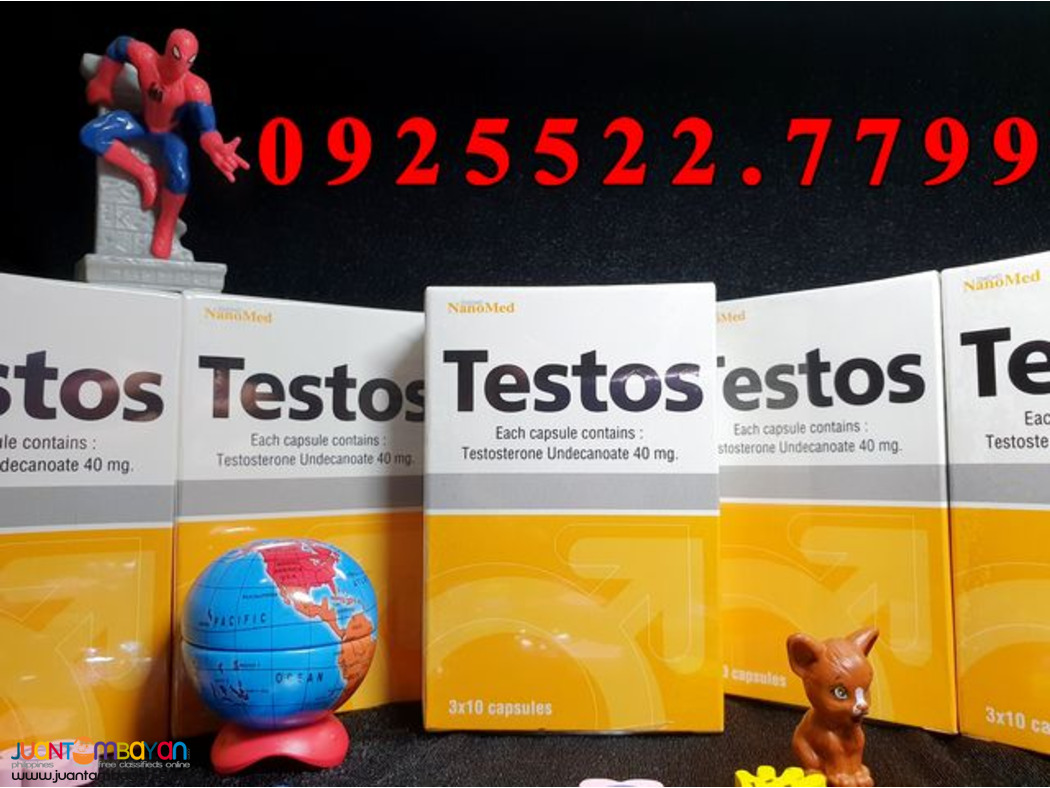
Andriol, known as Testosterone Undecanoate, is an oral medication used primarily for low testosterone levels in men, providing a convenient alternative to injectable forms. It is absorbed through the lymphatic system, reducing liver toxicity risks commonly associated with oral steroids, aiding in conditions like hypogonadism.

Andarine: The Promising SARM Revolutionizing Muscle Growth

Andarine, also known as S-4, is a selective androgen receptor modulator (SARM) gaining popularity for its muscle growth and fat loss benefits. Initially developed to combat muscle wasting and osteoporosis, it targets androgen receptors, enhancing performance and body composition. However, as it’s not FDA-approved, potential users must exercise caution due to legal and health concerns.

Anatrofin: Stenbolone Acetate Online For Sale Here

In the competitive world of dietary supplements, Anatrofin has been making waves for its unique properties and versatile applications. Celebrated for supporting weight management and muscle development, it enhances metabolic rate, aiding in calorie burn and muscle recovery. Popular among athletes, Anatrofin boosts energy levels and stamina, facilitating high-intensity training sessions. However, adhering to recommended guidelines is crucial to avoid side effects, underscoring the importance of consulting with healthcare professionals, particularly for individuals with pre-existing conditions. Responsible use is key to harnessing its significant benefits for fitness enthusiasts.

Exploring Anadur: A all-inclusive indication to Its Uses and Benefits

Anadur is an injectable anabolic steroid derived from nandrolone, known for promoting significant gains in muscle size and strength while minimizing body fat. With relatively mild side effects, it is popular among both novice and experienced users. Key benefits include enhanced muscle mass, improved performance, and joint health support. However, potential side effects like acne, hair loss, cardiovascular issues, and liver damage exist, necessitating responsible use under medical supervision. Anadur is not recommended for those with pre-existing health conditions related to the heart, liver, or kidneys.

Adipex-P: Is It the Right Weight Loss Solution for You?

Adipex-P is a prescription medication primarily used as an appetite suppressant for weight loss in individuals who are obese or have weight-related medical issues. It contains the active ingredient phentermine, a stimulant similar to an amphetamine, which affects the central nervous system to help reduce hunger and aid in weight management. Usage is advised as a short-term aid alongside a low-calorie diet, physical activity, and behavior changes, and should be monitored by a healthcare provider. Potential side effects include increased heart rate and insomnia.

The Steroid Cycles: Taking the Rewards in Bodybuilding

Bodybuilding is not just about muscle growth but a lifestyle of peak fitness, energy, and endurance. While the natural approach emphasizes genetics, diet, and training, steroid use in bodybuilding is controversial. Anabolic steroids mimic testosterone and can boost muscle mass and recovery but have severe health risks, including liver damage and hormonal imbalances. Ethics in steroid use remains a major debate, stressing the importance of fair play and athlete health in bodybuilding competitions.

Steroids in Sports: Performance and Ethics in Modern Athletics

Steroids in sports spark ethical and health debates, posing significant concerns about fair competition. Anabolic steroids mimic testosterone, enhancing muscle growth and performance but are banned due to risks like liver damage and aggression. Despite rigorous testing and penalties to deter use, the allure of fame and success pushes athletes toward these substances, challenging drug-free competition endeavors and the spirit of sportsmanship.

Accutane: How This Acne Medication Works and What to Expect

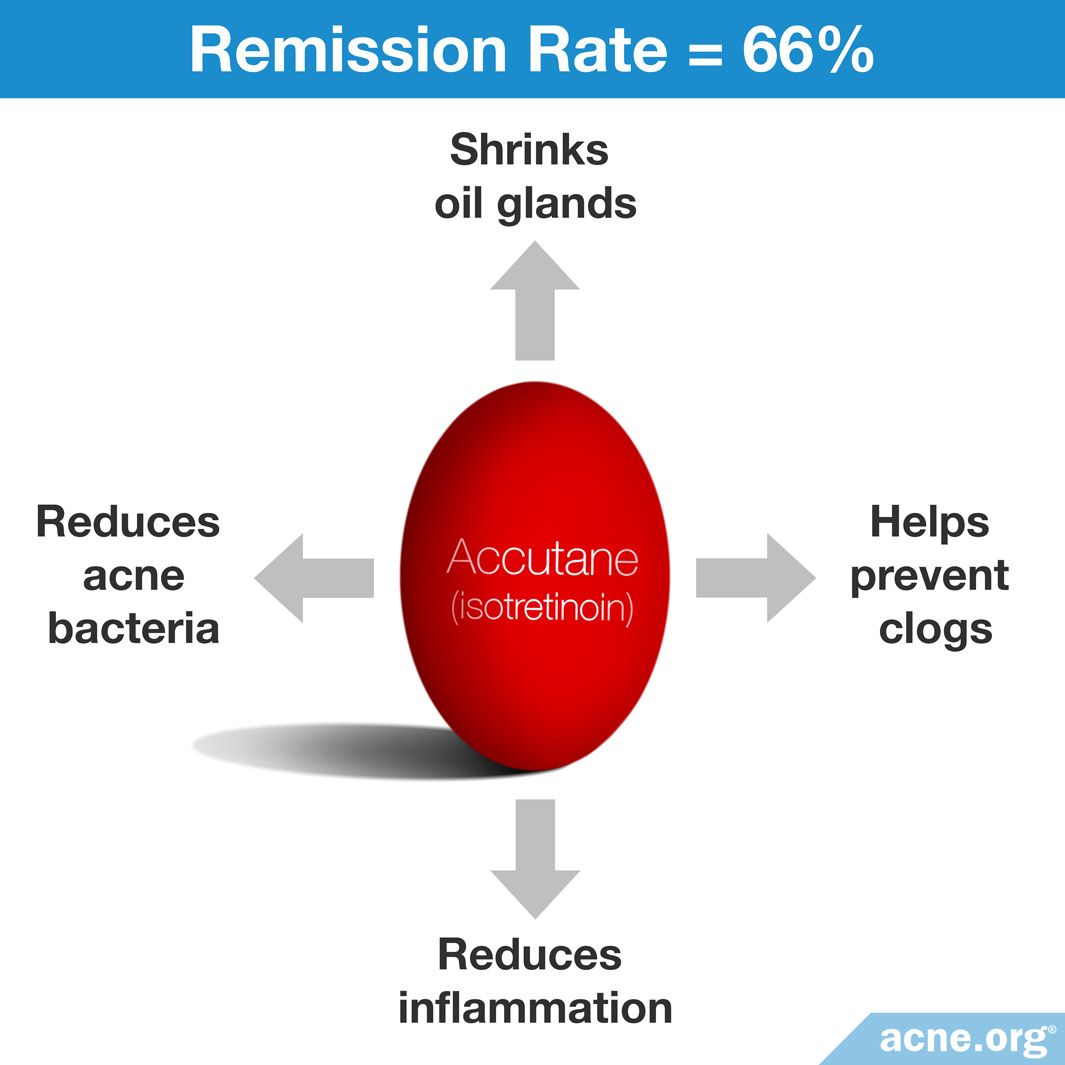
Accutane, or isotretinoin, is a powerful oral medication used to treat severe acne when other treatments fail. Approved by the FDA in 1982, it reduces oil production, inflammation, and promotes skin renewal. Despite its effectiveness, Accutane has significant side effects, including teratogenic risks leading to birth defects. As such, strict measures like the iPLEDGE program exist to prevent fetal exposure. Common side effects include dryness of skin, lips, and eyes, while serious ones can involve liver and mental health issues. Nonetheless, it offers hope for clear skin and better life quality.

Modern Enhancements: Tracing the Evolution of Steroids

The evolution of steroids has captivated many, tracing back to when hormones like testosterone were first isolated in the late 19th century. A pivotal moment came in 1935 with the synthesis of testosterone by Adolf Butenandt and Leopold Ruzicka. Initially promising in medicine for conditions like arthritis, steroids’ influence expanded to sports, enhancing performance but igniting ethical debates. Advances continue to unfold, yielding safer derivatives and new applications. These strides highlight steroids’ profound impact across sectors, balancing therapeutic benefits against ethical considerations.

Uncovering the Dangers of Steroid Abuse in Sports

The topic of steroids often elicits polarized opinions due to controversies surrounding their misuse, particularly among athletes and bodybuilders aiming to enhance performance and appearance. While offering short-term gains like increased muscle mass and endurance, steroids pose significant health risks. These include liver damage, heart disease, hormonal imbalances, and changes in physical appearance. Recognizing abuse signs, like sudden physique changes and aggression, is crucial for intervention. Legal and ethical implications further complicate steroid misuse, driving the need for comprehensive education and preventive measures to tackle this issue effectively.

The Rise of Women Using Steroids in Fitness

The use of anabolic steroids, initially linked to male athletes, is increasingly noted among females seeking athletic and aesthetic gains. This trend poses significant health risks, including hormonal imbalances and psychological effects. Despite potential benefits like enhanced performance, women face dangers like virilization and fertility issues. The discussion underscores the need for informed decisions and exploring safer alternatives.

What You Need to Know About Anabolic Steroid Regulations

Anabolic steroid laws vary globally, often stringent due to potential abuse and health effects. In countries like the U.S., they are controlled substances under Schedule III, requiring prescriptions for legal possession. Illegal use, distribution, or sale can lead to severe penalties. Sports organizations and global bodies like WADA enforce rules to prevent misuse and ensure fair competition.

Steroids: A sign to the Different Types and Their Uses

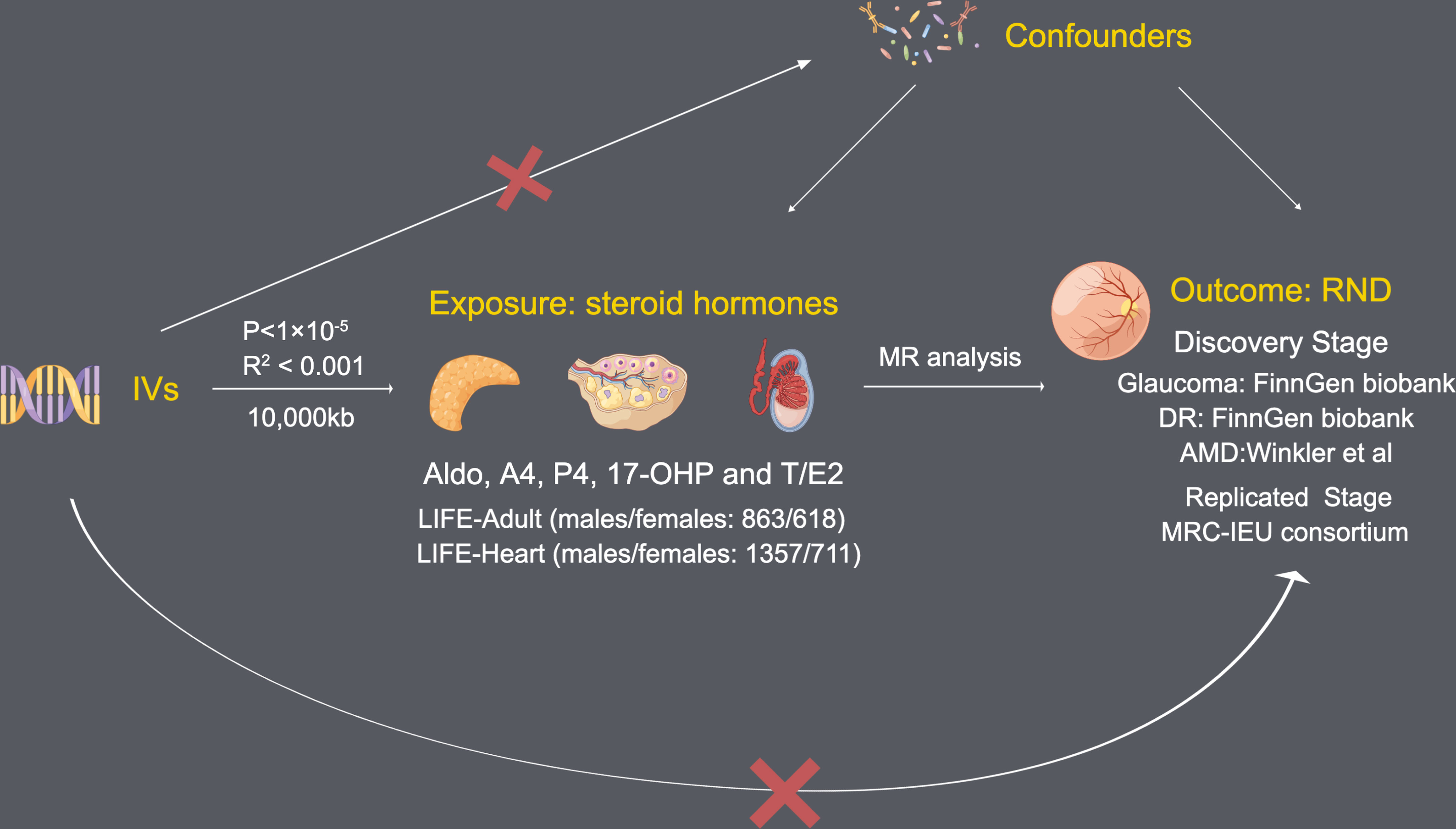
The world of steroids is diverse and complex, including compounds like anabolic and corticosteroids with various effects. Anabolic steroids, derivatives of testosterone, boost muscle growth and are used by athletes, but misuse can cause severe health risks. Corticosteroids reduce inflammation for conditions like asthma. Understanding their differences, uses, and risks is key for responsible use.

The Science Behind Kynoselen and Its Benefits for Athletes

Kynoselen is a veterinary injectable solution popular in the performance horse and canine community for enhancing athletic capabilities. Developed in France, it combines ingredients like adenosine monophosphate, vitamin B12, and magnesium aspartate to support metabolism and energy use. Its efficacy and safety continue to be evaluated, and it should be used under veterinary guidance.

Arachidonic Acid: Essential Fatty Acid For Inflammation & Healing

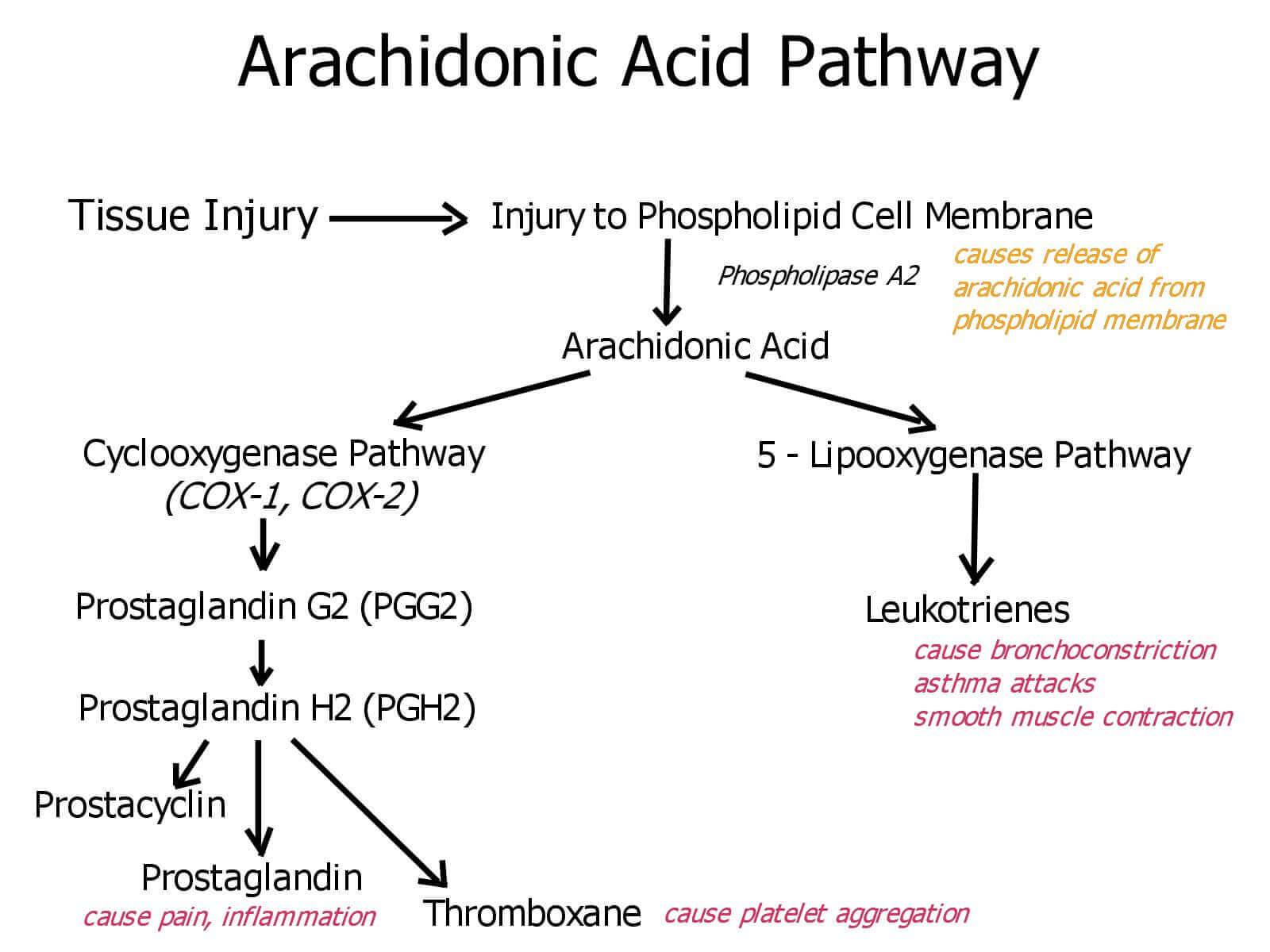
Arachidonic acid is a polyunsaturated omega-6 fatty acid essential for numerous physiological functions. It forms a crucial part of cell membranes and aids in the production of eicosanoids, such as prostaglandins and leukotrienes, vital for immune and inflammatory responses. While predominantly found in animal-derived foods, balancing it with omega-3 fatty acids in the diet is vital to promote health and avoid inflammatory diseases. Despite its link to inflammation, arachidonic acid also plays a role in resolving inflammation and supports healing.

Understanding Lutalyse: A full indication to Diniprost Tromethamine

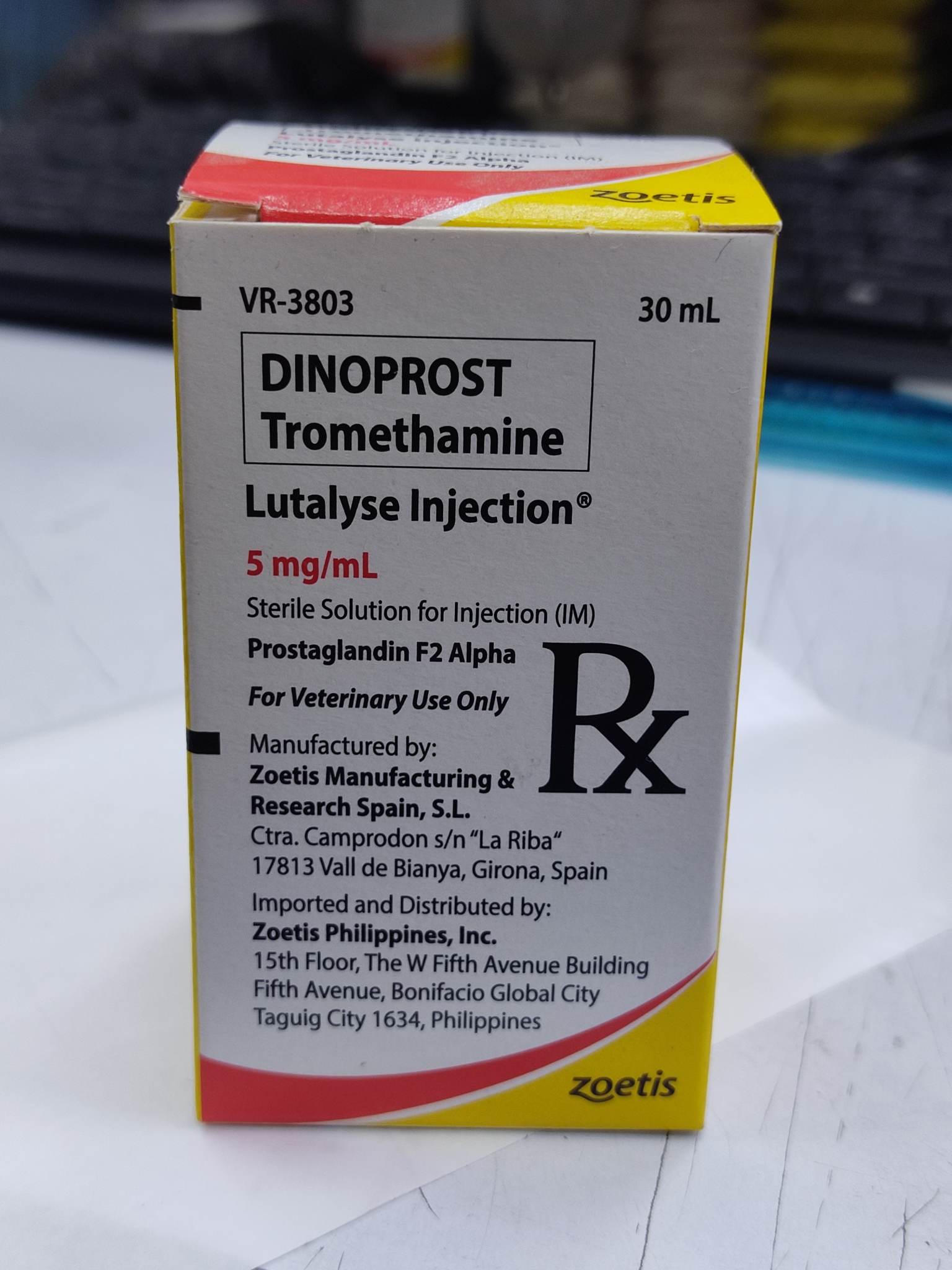
Lutalyse, or dinoprost tromethamine, is a synthetic prostaglandin extensively used in veterinary medicine to regulate reproductive activities in livestock like cattle, swine, and horses. It synchronizes estrus and facilitates breeding schedules by inducing luteolysis and managing anestrus conditions. The drug mimics natural prostaglandin F2 alpha (PGF2α), crucial for corpus luteum regulation, and is injected to improve herd fertility. It also addresses reproductive issues like pyometra and mummified fetus. However, its use requires careful handling and precise dosage due to its potent effects and potential risks.

Cardarine: The Controversial Fat-Burner

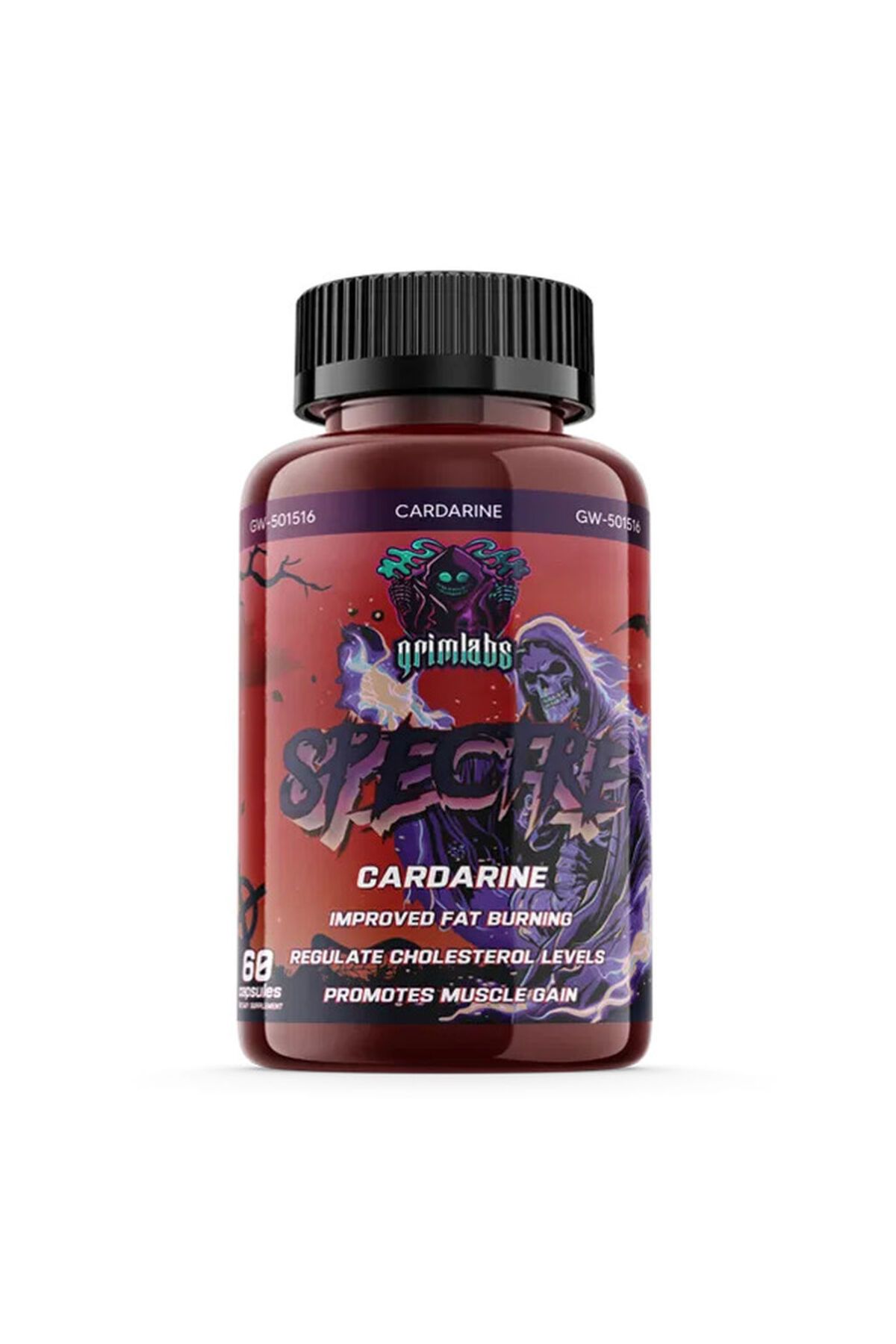
Cardarine, also known as GW501516, is a PPARδ agonist developed in the 1990s for potential metabolic and cardiovascular treatment. It enhances endurance and promotes fat loss, gaining popularity in fitness but is banned by the World Anti-Doping Agency. Research highlights its fat-burning abilities, yet long-term safety is uncertain, with some studies indicating cancer risks at high doses.

Colossal: Morgan Aste’s Rise to Becoming a Bodybuilding Titan

Morgan Aste, known as “The Giant,” stands out in bodybuilding with his colossal size and strength. A French bodybuilder dubbed the “World’s Strongest Bodybuilder,” he impresses with his over 300-pound frame and nearly 6’3″ height. His disciplined training and diet have secured him numerous titles and strongman victories, serving as a testament to his relentless pursuit of excellence and inspiring countless fans worldwide.

The Huge: Greg Kovacs, the Biggest Bodybuilder in History

Greg Kovacs was a renowned Canadian bodybuilder recognized for his exceptional size and strength, towering at 6 feet 4 inches and weighing over 400 pounds. Famed for his immense muscularity during the 1990s and early 2000s, he faced challenges in competitions due to aesthetic proportions. Despite this, his legacy as a coach and mentor lives on, even after his passing in 2013 at 44.

Dennis Wolf: Germany’s Quintessential Bodybuilding Titan

Dennis Wolf, a renowned German bodybuilder born October 30, 1978, in Tokmok, Kyrgyzstan, immigrated to Germany and began his career in his late teens. Standing at 5’11” and weighing around 260 pounds, Wolf is celebrated for his aesthetic proportions and V-taper. Turning pro in 2005, he shined in competitions, winning the 2014 Arnold Classic and consistently placing high at Mr. Olympia. Despite challenges, his dedication and social media presence inspire fans globally.

Understanding Steroids: A overall Lead to Benefits and Risks

Steroid-related drugs are synthetic substances that mimic hormones like corticosteroids and anabolic-androgenic steroids, used for therapeutic purposes. Corticosteroids treat inflammatory conditions, while anabolic steroids help in muscle growth. Despite benefits, misuse poses risks like liver damage and cardiovascular issues, highlighting the need for careful medical supervision.

Left Menu Icon
Your Cart