

Discover the Hidden Health Benefits of Watermelon

Watermelon is not just a refreshing treat on a hot summer day, but a powerhouse of nutrition that can benefit your overall health. With its origins tracing back to Africa, watermelon has become a favorite fruit worldwide due to its sweet taste and hydrating properties.
Nutritional Profile of Watermelon
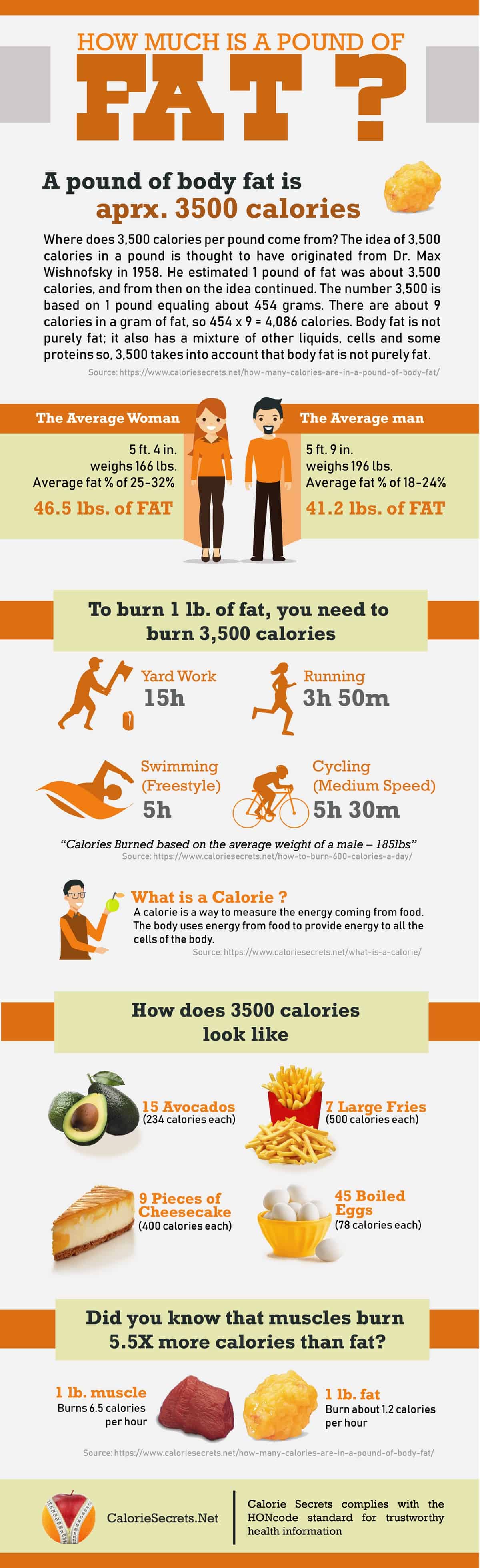
Watermelon is composed of approximately 92% water, making it an excellent choice for hydration. It is low in calories, with about 30 calories per 100 grams, and contains no fat or cholesterol. Here’s a closer look at its nutritional offerings:
-
- Vitamins and Minerals: Watermelon is rich in vitamins A and C, which are essential for immune function, skin health, and eye health. It also provides potassium, which helps maintain proper nerve and muscle function.
-
- Antioxidants: This fruit is a remarkable source of antioxidants, including lycopene and beta-carotene. Lycopene is more concentrated in red-fleshed watermelon and is linked to heart health and reduced cancer risk.
-
- Amino Acids: It contains citrulline, an amino acid that can improve exercise performance and promote heart health.
-
- Fiber Content: Although not significant, watermelon does contain some dietary fiber, aiding in digestion and promoting a healthy gut.
Health Benefits of Consuming Watermelon
Including watermelon in your diet can offer various health benefits:
-
- Hydration: Its high water content helps keep you hydrated, which is vital for energy levels and maintaining body functions.
-
- Heart Health: The presence of lycopene and citrulline contributes to cardiovascular wellness.
-
- Skin Health: Vitamins A and C play a crucial role in collagen production and maintaining skin elasticity.
-
- Weight Management: Being low in calories, watermelon can be a great snack option for those looking to manage their weight.
For more detailed nutritional information, you can refer to authoritative sources like Healthline or Mayo Clinic.
Conclusion
Watermelon is more than just a thirst-quencher; it is a valuable addition to a balanced diet. Its vitamins, antioxidants, and amino acids all contribute to a variety of health benefits, from heart health to hydration. Including watermelon in your diet can be both delicious and beneficial.
FAQs
What nutritional benefits does watermelon offer?
Watermelon is rich in vitamins A and C, antioxidants like lycopene, and minerals such as potassium. It aids in hydration and supports heart, skin, and digestive health.
Can watermelon help with hydration?
Yes, due to its high water content, watermelon is excellent for keeping you hydrated, making it an ideal fruit for hot weather.
Is watermelon good for weight loss?
Watermelon is low in calories, has no fat, and contains fibers that can help with satiety, making it a suitable choice for weight management.
How does watermelon support heart health?
The lycopene and citrulline in watermelon help promote heart health by improving blood flow and reducing the risk of cardiovascular disease.
BIG SALE | FAST SHIPPING
HOT PROMOTIONS!


CLOMIPHENE TABLETS 50mg 50 TABLETS FIERCE

Original price was: $ 99.00.$ 89.00Current price is: $ 89.00.
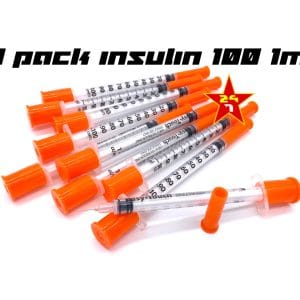

CLOMID 50MG FIERCE 50 TABLETS

Original price was: $ 129.00.$ 119.00Current price is: $ 119.00.
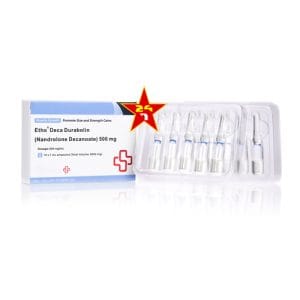
ZPHC Clomid Clomiphene 25mg/tablet | 100 Tablets Total: 2500mg
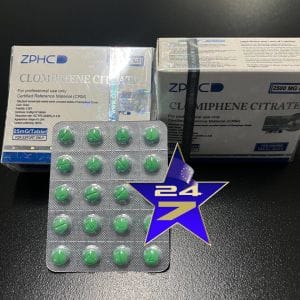
Original price was: $ 159.00.$ 65.00Current price is: $ 65.00.
Watermelon is a hydrating and refreshing fruit, comprising about 92% water, making it an excellent choice for staying hydrated. It is low in calories, providing just around 30 calories per 100 grams, yet rich in essential nutrients. Watermelon is a notable source of vitamins A, C, and B6, which support immune function, skin health, and energy production. It also contains important antioxidants like lycopene and cucurbitacin E, which contribute to reducing inflammation and oxidative stress. Additionally, watermelon provides minerals such as potassium and magnesium, essential for heart health and muscle function. Its natural sugars and electrolytes make it a great post-exercise snack, promoting recovery and hydration.