Dry Scooping Creatine: Is This Trending Practice Safe?
TABLE OF CONTENTS

The fitness community is constantly evolving with new trends, many aimed at enhancing performance and optimizing results. One such trend is “dry scooping,” traditionally linked with pre-workout supplements but increasingly also associated with creatine. The question on many lips is, can you dry scoop creatine? Let’s explore the practice, evaluate its safety, and uncover whether it’s the best method for you.
Understanding Dry Scooping
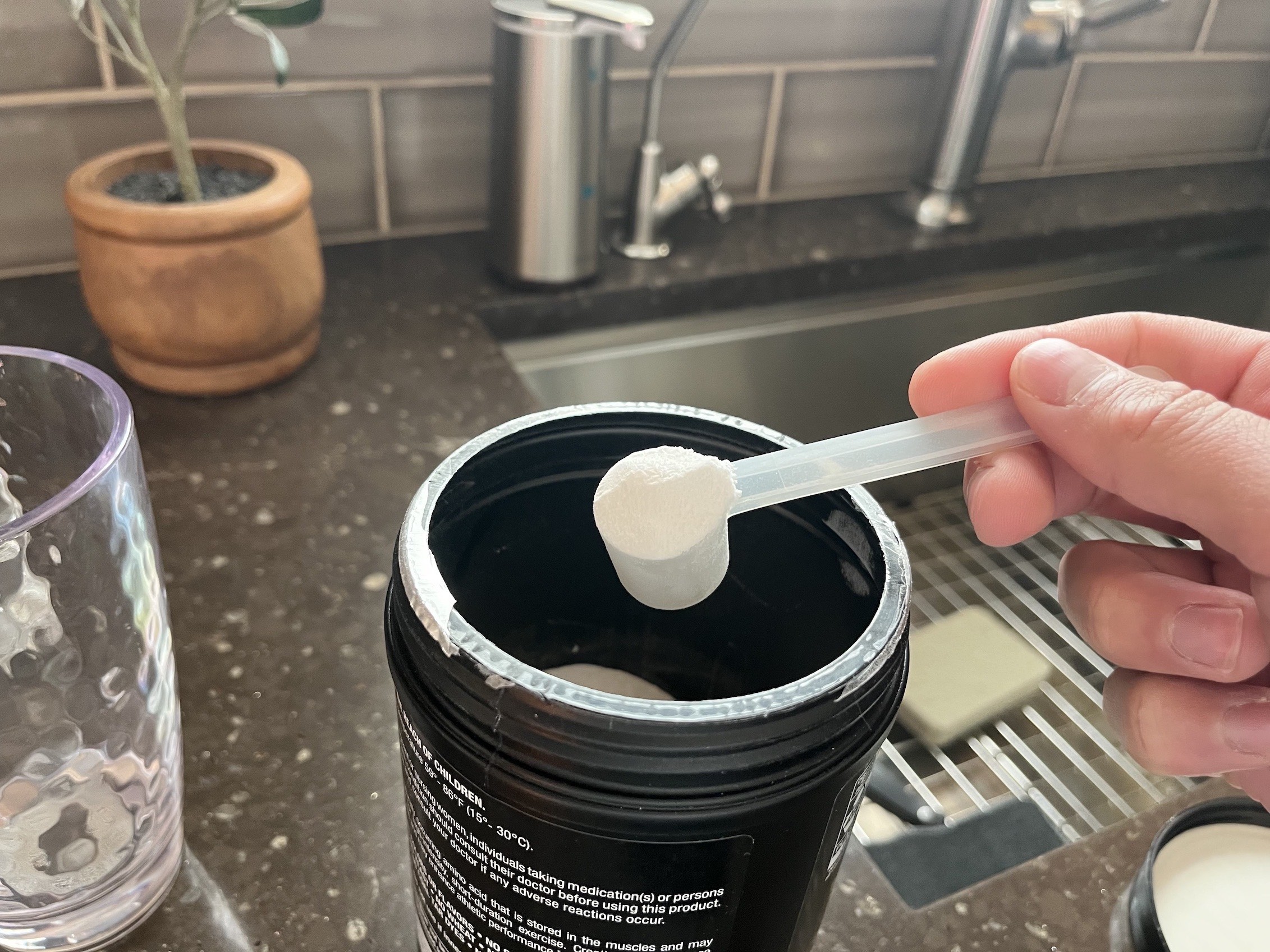
Dry scooping involves consuming a scoop of powdered supplement directly into your mouth rather than diluting it with water. The idea is believed to maximize the speed at which the supplement enters the bloodstream, potentially enhancing effectiveness. Traditionally done with pre-workout supplements, this method has expanded to encompass other workout enhancers, including creatine. However, can you dry scoop creatine and achieve the same effects?
Can You Dry Scoop Creatine?
Technically, you can dry scoop creatine, but the question remains whether you should. Creatine is a widely studied supplement known for improving strength, enhancing muscle mass, and boosting workout performance. To function optimally, creatine needs to be fully dissolved in water as it absorbs more efficiently. When consumed in powdered form, there may be concerns about stomach discomfort and inadequate absorption.
Potential Risks
While it’s possible to dry scoop creatine, several risks are associated with the practice. Without water, there’s the potential for choking, respiratory distress, or irritation of the throat. Moreover, creatine’s efficiency may be compromised when not adequately dissolved. Incorporating creatine with sufficient water ensures that your body absorbs it completely and that you gain the intended benefits without unnecessary strain.
BIG SALE | FAST SHIPPING
HOT PROMOTIONS!
Beligas 10ml Vial Testosterone NPP Blend 150mg

Original price was: $ 119.00.$ 99.00Current price is: $ 99.00.
CROWX 👑 CLOMIROW 50 Mg / 50 Tabs ( Clomid )
Original price was: $ 79.00.$ 69.00Current price is: $ 69.00.





The Verdict
In conclusion, while you can dry scoop creatine, doing so may not be the most effective or safe method of consumption. Diluting creatine in water helps with digestion, absorption, and the prevention of potential side effects. Sticking with traditional consumption methods ensures you’re making the most of this supplement.
FAQs
Can you dry scoop creatine safely?
Dry scooping creatine isn’t generally recommended due to potential risks like choking and inefficient absorption. Using water to consume creatine enhances safety and effectiveness.
Does dry scooping creatine offer any benefits?
There are no proven benefits of dry scooping creatine over the traditional method of dilution in water. The primary concern should be safe and effective supplementation.
Is dry scooping creatine more effective?
No evidence suggests that dry scooping creatine is more effective than mixing it with water. The myth stems from the pre-workout trend but doesn’t apply to creatine.
What is the best way to consume creatine?
The best way to consume creatine is by mixing it with water or any non-acidic liquid. This method ensures proper absorption and minimizes the risk of side effects.
For further guidance on supplement usage, consider consulting a registered dietitian or healthcare professional.
Ultimately, the safest approach to supplementation is staying informed, understanding your body’s needs, and approaching new trends with caution. Be mindful and consider expert advice to maximize your health and fitness journey.
Dry scooping creatine, which involves consuming a serving of creatine powder without mixing it with water or another liquid, has gained popularity, particularly among fitness enthusiasts looking for a quick and convenient intake method. While some individuals claim it provides an immediate energy boost, there is limited scientific evidence supporting this notion, as creatine does not function as a stimulant. Moreover, dry scooping may pose potential risks, such as choking or respiratory issues due to inhaling the fine powder. Additionally, it could potentially cause gastrointestinal discomfort since creatine is best absorbed with water, which facilitates its transport to the muscles. For optimal absorption and to minimize potential risks, it is generally recommended to dissolve creatine in water or a suitable beverage.