Erythropoietin
TABLE OF CONTENTS
- 1 Understanding Erythropoietin: FAQs
- 1.1 What is Erythropoietin?
- 1.2 Why is EPO Important for Athletes?
- 1.3 How is Erythropoietin Used in Medicine?
- 1.4 Are There Risks Associated with EPO?
- 1.5 How is Synthetic EPO Different From Natural EPO?
- 1.6 How Does EPO Influence Muscle Growth?
- 1.7 What is the Legal Status of EPO in Sports?
- 1.8 Conclusion
- 2 Related

Understanding Erythropoietin: FAQs
Erythropoietin (EPO) is a hormone with a critical role in the production of red blood cells. While EPO is naturally produced in the kidneys, synthetic forms have been developed for medical and athletic applications. This article addresses common questions and explores the function and implications of EPO use.
What is Erythropoietin?
Erythropoietin is a glycoprotein hormone responsible for the regulation of red blood cell production. When the body detects low oxygen levels, the kidneys release EPO into the bloodstream. This hormone then stimulates the bone marrow to produce more red blood cells, increasing the blood’s oxygen-carrying capacity.
Why is EPO Important for Athletes?
Athletes often look to enhance performance by increasing their oxygen-carrying capacity, making erythropoietin a substance of interest. An elevated level of red blood cells can improve endurance, making it particularly favored in high-intensity and stamina-demanding sports like cycling, long-distance running, and powerlifting.
How is Erythropoietin Used in Medicine?
Medically, erythropoietin is used primarily to treat anemia, especially in patients with chronic kidney disease or those undergoing chemotherapy. Anemia leads to a significant reduction in red blood cells, and by administering EPO, healthcare providers can help increase red blood cell count, leading to improved energy and quality of life for patients.
Are There Risks Associated with EPO?
Yes, the use of erythropoietin, especially in athletics, poses significant risks. Excessive red blood cell production can lead to increased blood viscosity, which heightens the risk of blood clots, stroke, and heart attack. Therefore, synthetic EPO use is often restricted and considered illegal in professional sports, with various anti-doping agencies routinely testing athletes for it.
How is Synthetic EPO Different From Natural EPO?
Synthetic EPO, also known as recombinant EPO, mimics the natural hormone but is developed using recombinant DNA technology. While functionally similar, the synthetic version is specifically engineered to be used in treatments and performance enhancement, highlighting the need for caution and medical oversight during its use.
How Does EPO Influence Muscle Growth?
Though erythropoietin primarily affects red blood cell production, increased oxygen availability can enhance muscle growth and repair, a point of interest for bodybuilders and fitness enthusiasts. The enhanced oxygen supply facilitates longer and more effective workouts, but ethical and health considerations limit its use outside medical supervision.
What is the Legal Status of EPO in Sports?
In competitive athletics, the non-therapeutic use of erythropoietin is banned. Organizations like the World Anti-Doping Agency (WADA) have placed strict regulations against its use, including rigorous testing protocols to detect its presence. Athletes caught using EPO may face suspensions or bans.
Conclusion
Erythropoietin holds immense importance both medically and for athletic performance enhancement. However, its use must be carefully managed to mitigate risks and adhere to ethical standards. Whether considering its therapeutic benefits or contemplating its athletic implications, understanding EPO’s role in the body highlights the fine balance between enhancement and health concerns.
BIG SALE | FAST SHIPPING
HOT PROMOTIONS!

ZPHC UltraMix 10ml MultiUse Vial 1ml = 250mg

Original price was: $ 255.00.$ 179.00Current price is: $ 179.00.

CROWX 👑 CLOMIROW 50 Mg / 50 Tabs ( Clomid )
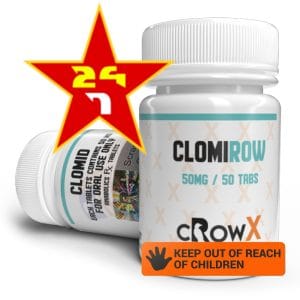
Original price was: $ 79.00.$ 69.00Current price is: $ 69.00.
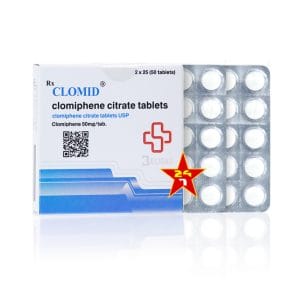
CLOMID 50MG FIERCE 50 TABLETS
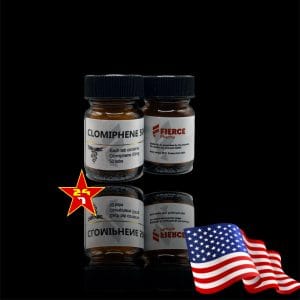
Original price was: $ 129.00.$ 119.00Current price is: $ 119.00.
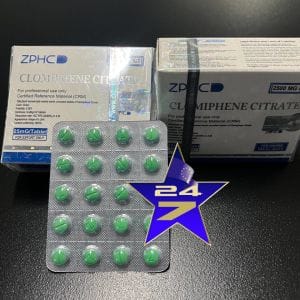
ZPHC Clomid Clomiphene 25mg/tablet | 100 Tablets Total: 2500mg
Original price was: $ 159.00.$ 65.00Current price is: $ 65.00.
Please consult with a healthcare provider before considering any form of EPO usage, particularly in athletic contexts. Stay informed and prioritize health over performance-driven decisions.
Erythropoietin is a glycoprotein hormone crucial in regulating erythropoiesis, the production of red blood cells in the bone marrow. Primarily synthesized by the kidneys in response to low oxygen levels in the blood, erythropoietin stimulates the proliferation and differentiation of erythroid progenitor cells. This process ensures an adequate supply of red blood cells, which are essential for transporting oxygen to tissues throughout the body. In medical settings, synthetic forms of erythropoietin are used to treat anemia, particularly in patients with chronic kidney disease or those undergoing chemotherapy. However, its use must be carefully monitored, as excessive erythropoietin can lead to an increased risk of thromboembolic events due to elevated red blood cell counts. The hormone also garnered attention in sports, where it was misused as a performance-enhancing drug to increase athletic endurance by boosting oxygen delivery to muscles.