
Exercises glutes

Best Practices for Strengthening the Glutes
Building and strengthening the glutes is essential not only for aesthetics but also for improving athletic performance and preventing injuries. In this article, we delve into the best Exercises glutes and answer some frequently asked questions to guide you in your fitness journey.
What are the Major Muscles in the Glutes?
The glutes are composed of three major muscles: the gluteus maximus, gluteus medius, and gluteus minimus. The gluteus maximus is the largest and most superficial muscle, responsible for the shape of your buttocks and crucial in movements that require hip extension. The gluteus medius and minimus, on the other hand, are important for stabilizing the pelvis and abducting the legs.
Why are Strong Glutes Important?
Strong glutes are vital for various reasons. They help stabilize your pelvis, improving your overall posture, and play a critical role in activities like walking, running, and jumping. Strong glutes also reduce the risk of lower back pain and knee injuries, as they take pressure off these areas. Therefore, incorporating Exercises glutes into your routine is essential for a well-rounded fitness regimen.
What are Effective Exercises for Glutes?
- Squats: Squats are a fundamental exercise for Exercises glutes. They engage the gluteus maximus and help tone and strengthen your buttocks. Both bodyweight squats and weighted squats can be effective.
- Lunges: Forward, reverse, and side lunges target the glutes as well as the quadriceps and hamstrings, making them a versatile exercise in your routine.
- Deadlifts: Deadlifts primarily target the gluteus maximus and are excellent for building overall strength in your lower body.
- Hip Thrusts: These exercises specifically target the glutes. Make sure to engage the muscles through a full range of motion to maximize effectiveness.
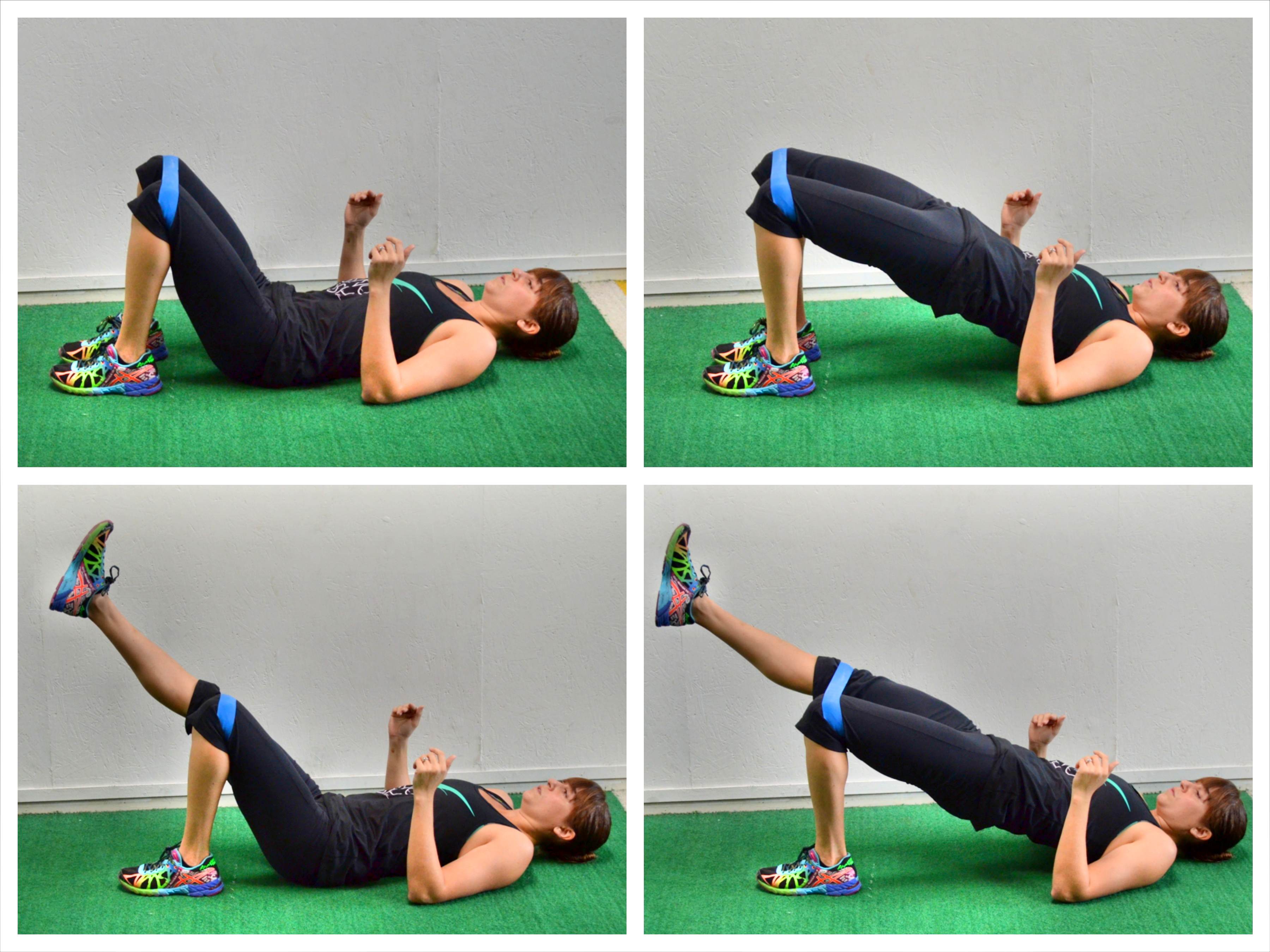
- Glute Bridges: Another powerful exercise, the glute bridge focuses on the gluteus maximus and can be intensified with resistance bands or weights.
- Step-Ups: This exercise mimics a natural movement pattern and is great for isolating the glute muscles. By varying the height of the step, you can adjust the difficulty level.
How Often Should You Train Your Glutes?
Frequency depends on your fitness goals and current routine, but a good starting point is to implement Exercises glutes 2 to 3 times per week. Ensure you provide enough rest between workouts to allow for recovery and muscle growth.
What Are Common Mistakes to Avoid?
Avoid these common mistakes to get the most out of your Exercises glutes:
- Not using proper form: Poor form can lead to injury and less effective workouts.
- Overworking: Muscles need time to recover. Avoid excessive repetitions without sufficient rest.
- Neglecting other muscles: Balance your routine to include exercises for other muscle groups as well.
What Other Tips Can Improve Your Glute Workouts?
To enhance your glute workouts:
- Focus on mind-muscle connection, ensuring you’re activating your glutes during each exercise.
- Increase resistance progressively to continue gaining strength.
- Incorporate a mix of compound and isolation exercises for comprehensive development.
Strengthening your glutes can have a significant impact on your overall fitness and day-to-day activities. By following the right Exercises glutes and integrating them thoughtfully into your workout routine, you can achieve a balanced and powerful physique.
FREE SHIPPING
CLICK HERE!
HOT PROMOTIONS!


STADA ANAVAR 50MG 50 TABLETS

Original price was: $ 170.00.$ 149.00Current price is: $ 149.00.





[ratemypost]
Exercises targeting the glutes, or gluteal muscles, are integral for enhancing the strength, tone, and overall functionality of the lower body. These muscles, which include the gluteus maximus, gluteus medius, and gluteus minimus, play a crucial role in daily activities such as walking, running, and climbing. Effective exercises that engage and develop the glutes include squats, lunges, hip thrusts, and deadlifts. These movements not only help in sculpting and toning the posterior but also improve core stability, enhance athletic performance, and reduce the risk of injuries by promoting balanced muscle development. Incorporating a variety of glute exercises into a regular fitness routine can also contribute to better posture and alleviate lower back pain, making them beneficial for overall health and mobility.