Exploring 2-Aminoisoheptane: A Potent Pre-Workout Ingredient

The world of fitness and dietary supplements is vast, with numerous compounds claiming to enhance performance. Among these is 2-Aminoisoheptane, a lesser-known but increasingly popular ingredient in pre-workout supplements. This article explores the characteristics, benefits, and concerns surrounding this compound, providing a well-rounded understanding for those interested in its use.
Introduction to 2-Aminoisoheptane
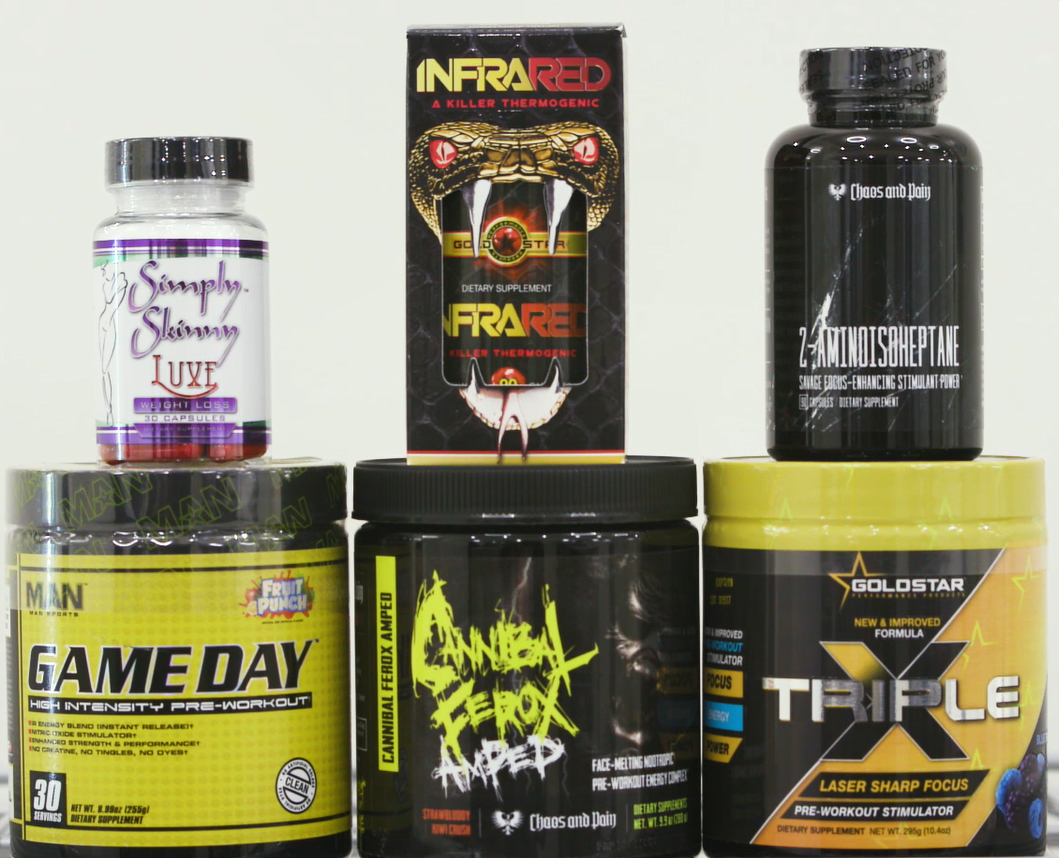
2-Aminoisoheptane, also known as DMHA, is a synthetic compound that has gained attention in the supplement industry for its purported stimulant effects. Often compared to DMAA, another potent stimulant, this compound is believed to enhance energy, focus, and endurance during workouts. It has been incorporated into various pre-workout and fat-burning products, appealing to those seeking a competitive edge in their fitness regimens.
The Mechanism of Action of 2-Aminoisoheptane
The stimulating effects of 2-Aminoisoheptane are attributed to its ability to influence neurotransmitters. Similar to other stimulants, it is thought to increase the levels of dopamine and norepinephrine in the brain, leading to heightened alertness and energy. This neurotransmitter activity is what makes it a popular choice among athletes and bodybuilders looking to amplify their performance.
Potential Benefits of 2-Aminoisoheptane
Users of 2-Aminoisoheptane generally report several benefits, including increased energy levels, improved concentration, and enhanced athletic performance. These effects are particularly beneficial during intense training sessions, allowing users to push harder and longer. Additionally, its appetite-suppressing properties may aid in weight management for those looking to reduce body fat.
Safety Concerns and Regulatory Status of 2-Aminoisoheptane
Despite its potential advantages, the use of 2-Aminoisoheptane is not without controversy. Some health professionals express concerns over its safety, noting a lack of comprehensive research on its long-term effects. Regulatory bodies like the FDA have scrutinized the legality of its use in dietary supplements, leading to debates about its inclusion in various products. Users are advised to approach its use cautiously, especially if they have pre-existing health conditions.
Conclusion
In conclusion, 2-Aminoisoheptane presents both opportunities and challenges for fitness enthusiasts. While its potential benefits make it an appealing option for enhancing workout performance, the lack of exhaustive research and regulatory scrutiny necessitate careful consideration before use. Users are encouraged to consult with healthcare professionals and consider their personal health circumstances when evaluating supplements containing this compound.
FAQs about 2-Aminoisoheptane
Is 2-Aminoisoheptane legal in supplements?
The legality of 2-Aminoisoheptane in dietary supplements varies by country and is subject to change as regulatory bodies assess its safety and efficacy.
What are the potential side effects of using 2-Aminoisoheptane?
Possible side effects include increased heart rate, hypertension, and jitteriness. Users should monitor their body’s response and discontinue use if adverse reactions occur.
Can 2-Aminoisoheptane help with weight loss?
Although some users experience appetite suppression and increased energy, leading to weight loss, it should not be relied upon solely for this purpose without additional lifestyle modifications.
BIG SALE | FAST SHIPPING
HOT PROMOTIONS!
CLOMID 50MG FIERCE 50 TABLETS
Original price was: $ 129.00.$ 119.00Current price is: $ 119.00.


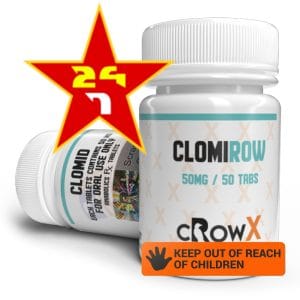
CROWX 👑 CLOMIROW 50 Mg / 50 Tabs ( Clomid )
Original price was: $ 79.00.$ 69.00Current price is: $ 69.00.


ZPHC UltraMix 10ml MultiUse Vial 1ml = 250mg

Original price was: $ 255.00.$ 179.00Current price is: $ 179.00.
2-Aminoisoheptane, also known as DMHA or Octodrine, is a stimulant compound that has gained attention in the sports and fitness industry for its energy-boosting and performance-enhancing properties. Chemically similar to other stimulants like DMAA and DMBA, 2-Aminoisoheptane is often found in pre-workout supplements and weight loss products due to its ability to increase focus, alertness, and energy levels. It operates by stimulating the release of neurotransmitters such as dopamine and norepinephrine, which can enhance mood and cognitive function while reducing fatigue. However, its safety profile is not well-established, and there have been concerns about potential side effects, including increased heart rate and blood pressure. As such, users are advised to approach its use with caution, and it’s important to be aware of regulatory status in different regions, as some countries may have restrictions on its sale and use.