

Exploring Legal Substances: A Guide to Drugs Permitted in the UK

The legal landscape of drugs in the UK is defined by a combination of legislation, often designed to control misuse and ensure public safety. Understanding which drugs are legal is crucial for residents and visitors. This article outlines the current legal status of drugs in the UK.
Prescription Drugs
In the UK, some drugs are legal if prescribed by a healthcare professional. These include medications that treat various medical conditions such as antibiotics, antidepressants, and painkillers. Controlled drugs like certain opioids, benzodiazepines, and some stimulants are also legal when prescribed. These are regulated under the Misuse of Drugs Act 1971 and require oversight due to their potential for abuse and dependence.
Over-the-Counter Medications
Many common drugs are available over-the-counter (OTC) for self-medication without a prescription. These include pain relief medications such as paracetamol and ibuprofen, cold and flu remedies, antihistamines for allergies, and antacids for digestive issues. While these drugs are generally safe when used as directed, it is crucial to adhere to guidelines to prevent adverse effects.
Alcohol and Tobacco
Alcohol and tobacco are legal for individuals over a certain age—18 for both—and are widely consumed across the UK. Nevertheless, their sale and consumption are subject to strict regulations, including licensing laws and advertising restrictions, to mitigate health risks and prevent underage access.
Caffeine and Nicotine Products
Caffeine is found in various products such as coffee, tea, and energy drinks, and is legal without restriction. Nicotine products, including cigarettes and vaping liquids, are also legally available but controlled under specific regulations concerning sale and marketing.
CBD and Hemp Products
Cannabidiol (CBD) products, derived from hemp, are legal in the UK as long as they contain less than 0.2% THC (the psychoactive component of cannabis) and are marketed as supplements rather than medical products. This distinction is important as products claiming medical benefits must go through strict regulatory procedures.
Conclusion
Understanding what drugs are legal in the UK is essential for compliance with the law and for health and safety. While medications like prescription drugs, OTC products, and controlled substances require careful management, others like CBD and caffeine have fewer restrictions. Staying informed ensures responsible usage and adherence to legal standards.
FREE SHIPPING
HOT PROMOTIONS!
BIG SALE | FAST SHIPPING




CROWX 👑 SUSTAROW 300 MG/ 10 ML Vial SUSTANON
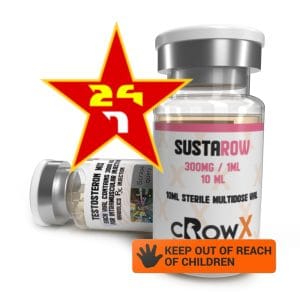
Original price was: $ 109.00.$ 99.00Current price is: $ 99.00.

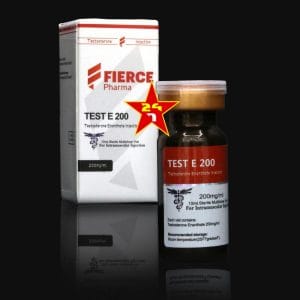



SUSTANON 300MG BLEND AXIOM 10ML
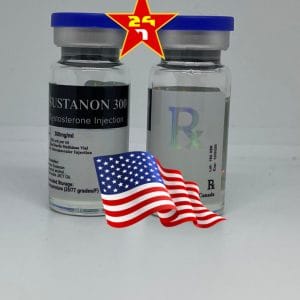
Original price was: $ 118.00.$ 99.00Current price is: $ 99.00.
STADA TESTOSTERONE PROPIONATE 100MG / ML 10ML
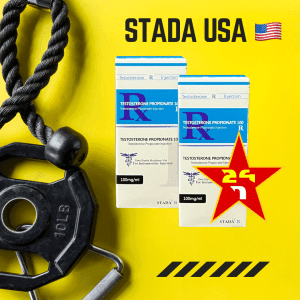
Original price was: $ 79.00.$ 59.00Current price is: $ 59.00.
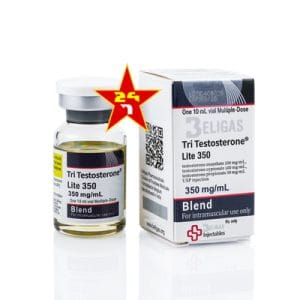
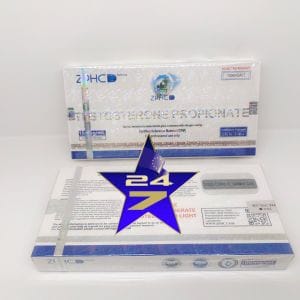
Beligas Propha Testosterone 10 vials x 1ml (Propionate) 150mg

Original price was: $ 84.00.$ 79.00Current price is: $ 79.00.
CROWX 👑 TreneRow Vial 10ml | Trenbolone Enanthate 200mg
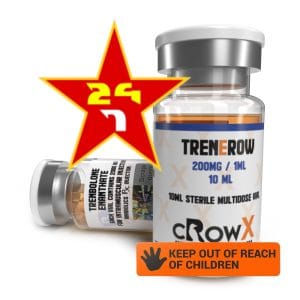
Original price was: $ 169.00.$ 130.00Current price is: $ 130.00.

FAQs
Are steroids legal in the UK?
Possession of anabolic steroids for personal use is legal, but selling or distributing them without a license is illegal. For more information, visit Steroid Planner and Steroid.com.
Can I buy cannabis legally in the UK?
Cannabis is classified as a Class B drug, making its use and possession illegal, except for limited medical use under strict conditions.
What are the penalties for possessing illegal drugs?
Penalties vary depending on the drug type and quantity, but can range from fines to imprisonment for more serious offenses. Specific information is available on official government websites.
Where can I find reliable information on drug legality?
For insights on domestic steroids and legality, visit John Doe Bodybuilding and Ulaska.
In the UK, certain drugs are legal and regulated, particularly for medical and recreational purposes. Alcohol and nicotine are the most commonly used legal substances, available to those over the age of 18. Additionally, caffeine and some over-the-counter medications, like paracetamol and ibuprofen, are widely accessible. Prescription medications are legal but require a doctor’s approval to ensure they are used safely and appropriately. Cannabis has been legalized for medical use since 2018, but recreational use remains illegal. Other controlled substances, such as certain benzodiazepines and opioids, are legal for medicinal use but are heavily regulated to prevent abuse. The UK government continues to evaluate and adjust its drug policies in response to medical findings and societal needs.