Exploring the Dynamics of Modern Heterosexual Relationships
TABLE OF CONTENTS

Heterosexual relationships, commonly referred to as romantic or sexual partnerships between individuals of opposite genders, have been the cornerstone of many societies throughout history. These relationships, characterized by their unique dynamics, face challenges and joys that are as varied as the cultures in which they exist. Whether driven by biological attractions or intertwined with cultural expectations, these partnerships continue to be of paramount importance in understanding human relationships.
The Evolution of Heterosexual Partnerships
While the concept of heterosexual coupling is widely accepted in many societies, the nature of these relationships has evolved significantly over time. In traditional settings, such pairings were often tied to procreation and the continuation of family lines. For instance, in many ancient cultures, marriages were seen as alliances between families rather than unions based purely on romantic love.
Over the years, as societies became more progressive, the reasons behind these relationships began to shift. Today, love, companionship, and mutual self-growth are often emphasized. Yet, they remain rooted in a complex tapestry of social norms, cultural expectations, and personal values.
Challenges in Today’s Heterosexual World
Despite the prevalent nature of these relationships, they face unique challenges. Communication remains one of the most significant hurdles. With gender roles continuously evolving, expectations from both partners can sometimes clash, leading to misunderstandings and conflicts. Understanding Misunderstanding in Relationships offers insights into bridging some of these gaps.
Moreover, societal pressures can play a substantial role, especially in cultures where there’s still a strong emphasis on traditional roles. In such environments, partners might struggle to balance personal aspirations with societal expectations, leading to tensions.
Joys of Heterosexual Unions
Despite these hurdles, many find immense joy in their partnerships. These relationships can offer emotional support, companionship, and shared life experiences. The blending of experiences and perspectives from different genders often enriches the connection, providing opportunities for learning and growth. This dynamic interplay between two distinct yet complementary halves can be the foundation of deep, meaningful connections.
Conclusion
The world of heterosexual relationships is vast and multifaceted, deeply intertwined with cultural, societal, and personal beliefs. While they face unique challenges, they also bring unparalleled joy and companionship. By understanding the evolving nature and the underlying factors that influence these partnerships, individuals can work towards fostering healthier and more fulfilling relationships.
Frequently Asked Questions
What defines a heterosexual relationship?
A heterosexual relationship is a romantic or sexual partnership between individuals of opposite genders, driven by both biological attractions and cultural norms.
Are there specific challenges in heterosexual relationships?
Yes, communication and societal expectations often pose significant challenges in these relationships. Partners must navigate evolving gender roles and personal aspirations, which can sometimes lead to conflicts.
How can one maintain a healthy heterosexual relationship?
Maintaining open communication, understanding evolving dynamics, and respecting each partner’s individuality are crucial in nurturing a healthy partnership. For more insights, consider exploring Healthy Relationship Tips for guidance.
BIG SALE | FAST SHIPPING
HOT PROMOTIONS!



CYT 3 6MG | T3 | Yohimbe | Clen | Weight Loss Blend | 100 Tablets Total Kit 600mg

$ 69.00


ZPHC Clomid Clomiphene 25mg/tablet | 100 Tablets Total: 2500mg

Original price was: $ 159.00.$ 65.00Current price is: $ 65.00.
FIERCE CLOMID 50MG 50CAPS
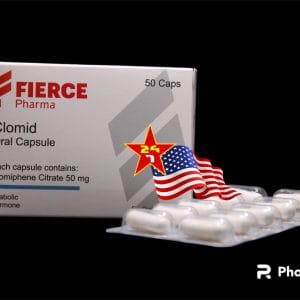
Original price was: $ 129.00.$ 119.00Current price is: $ 119.00.


Heterosexuality refers to the romantic or sexual attraction between individuals of opposite genders. It is a sexual orientation that is widely recognized across different cultures and societies, and it has historically been the predominant sexual paradigm, often considered the societal norm. This orientation is characterized by a desire for relationships or partnerships between men and women, and it manifests in various forms, from casual dating to long-term commitments, including marriage and family-building. Despite its prevalence, the understanding and acceptance of heterosexuality have evolved over time, especially as discussions around sexual orientation and identity have become more inclusive and nuanced. The heterosexual experience is diverse, shaped by cultural, social, and personal factors that influence how relationships are formed and maintained within this context.