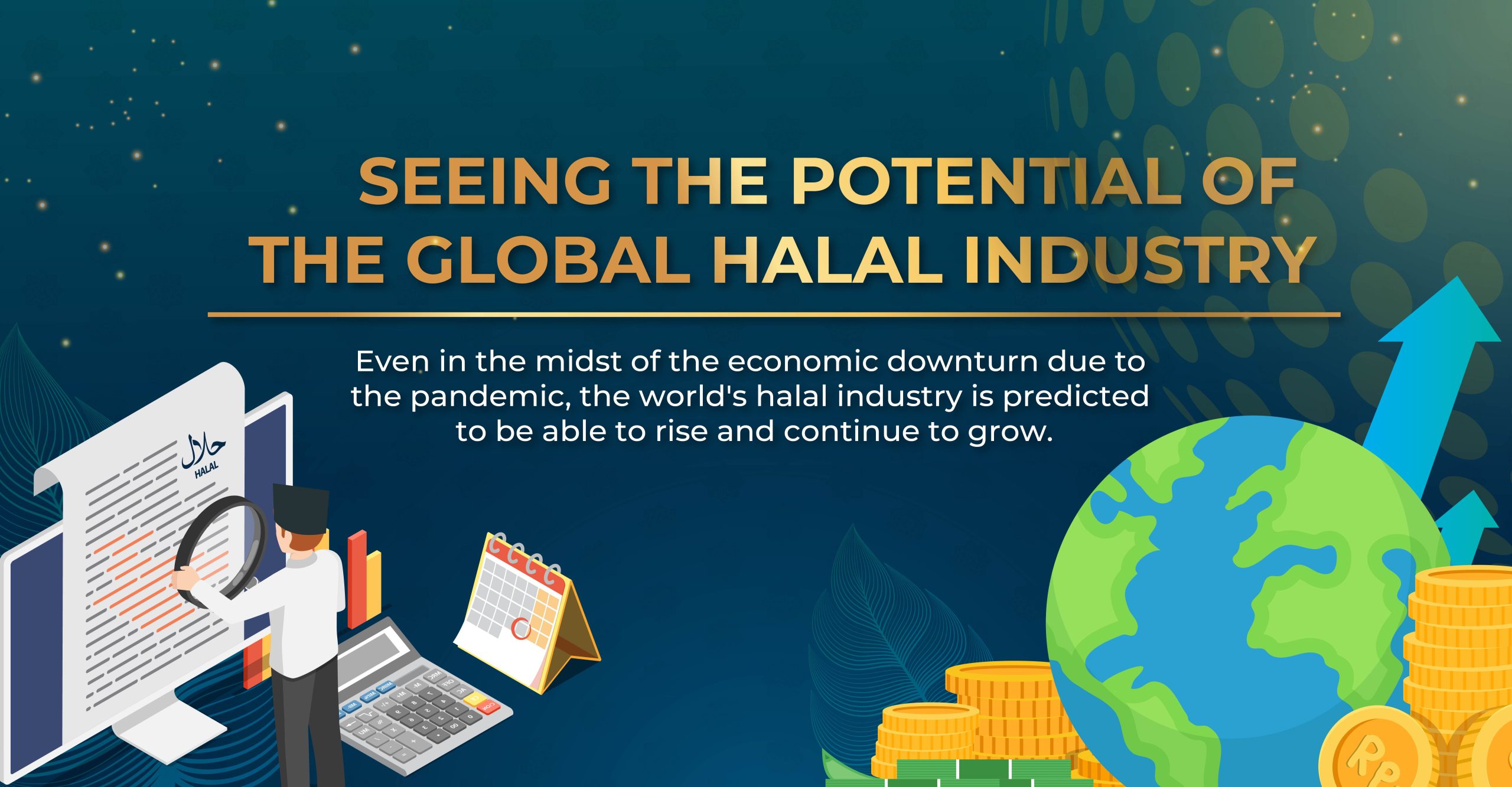
Exploring the Halal Food Market: A Growing Global Phenomenon
TABLE OF CONTENTS

Halal food represents a significant cultural and religious practice with roots in Islamic dietary laws. Derived from the Arabic word meaning “permissible,” halal food adheres to specific guidelines outlined in the Quran that dictate what is considered lawful for consumption. With the growing interest in diverse culinary experiences, understanding halal food has become increasingly relevant.
Understanding Halal Certification
At its core, halal food certification ensures that products comply with Islamic dietary laws. The process involves several stages, including sourcing, processing, and packaging, all of which must align with religious standards. For instance, meat must be derived from healthy animals slaughtered in the name of Allah. The animal must also be treated with dignity and respect throughout its life and at the time of slaughter. This certification is not only a religious requirement but also a guarantee of ethical treatment of animals.
Popular Halal Food Options
With a rich variety coming from different cultures, halal food offers delectable choices for everyone. Middle Eastern cuisines like hummus, falafel, and kebabs are famous for their compliant status and widespread appeal. Asian dishes such as chicken satay, nasi lemak, and various curries also feature prominently in halal cuisine. These options highlight the versatility and flavorful nature of halal food and its capacity to cater to a diverse palate.
Social and Economic Impact of Halal Food
The halal food market has seen exponential growth, driven by demand from Muslim and non-Muslim consumers alike. As globalization increases, businesses worldwide are recognizing the value of catering to this demographic. According to a report by Thomson Reuters, the global halal food market is projected to reach new heights—affirming its importance beyond religious contexts. Aside from economic advantages, the popularity of halal food fosters cultural exchange and mutual respect among different communities.
Cooking with Halal Ingredients
Whether a seasoned chef or a home cook, experimenting with halal ingredients can be a rewarding experience. Spices like cumin, coriander, and turmeric can enhance any meal, while ingredients such as chickpeas, lentils, and various grains offer nutritious alternatives. Preparing halal meals requires mindfulness about sourcing and processes, ensuring that the final dishes remain true to halal principles. Read more about ethical sourcing here.
Conclusion
Halal food extends beyond mere dietary restrictions—it represents a lifestyle choice rooted in ethical and cultural values. Through understanding and embracing these culinary traditions, individuals can enjoy delicious, diverse, and ethically sound meals while promoting inclusivity. In embracing halal cuisine, we also embrace the richness of global cultures and the importance of dietary choices that align with personal and spiritual values.
For further exploration, delve into some delicious halal recipes.
FAQs
What is halal food?
Halal food refers to items that are permissible under Islamic law, as defined in the Quran.
Is halal food only for Muslims?
While it adheres to Islamic guidelines, halal food can be enjoyed by anyone looking for ethically sourced and processed meals.
How can I identify halal food products?
Look for a halal certification label on the packaging, which indicates that the product meets halal standards.
Can I find halal food in non-Muslim countries?
Yes, globalization has led to the widespread availability of halal-certified products and restaurants worldwide.
Are all vegetarian foods considered halal?
Not necessarily, as preparation and cross-contamination with non-halal items can affect their permissibility. Always check for certification.
BIG SALE | FAST SHIPPING
HOT PROMOTIONS!
CLOMIPHENE TABLETS 50mg 50 TABLETS FIERCE

Original price was: $ 99.00.$ 89.00Current price is: $ 89.00.

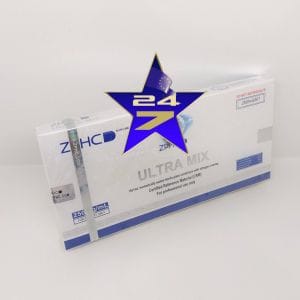
ZPHC UltraMix 1ml amps x 10 amps - 1ml = 250mg
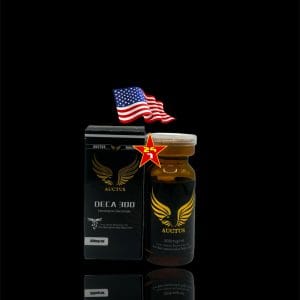
Original price was: $ 259.00.$ 179.00Current price is: $ 179.00.




CYT 3 6MG | T3 | Yohimbe | Clen | Weight Loss Blend | 100 Tablets Total Kit 600mg

$ 69.00
Halal food refers to dietary provisions that comply with Islamic law as defined in the Quran. The concept of halal, meaning “permissible” in Arabic, encompasses not only the type of food but also the methods of preparation and handling, ensuring they align with Islamic principles. Meat, for instance, must be slaughtered in the name of Allah and should be accomplished through swift and humane means to minimize the animal’s suffering. Additionally, halal regulations prohibit certain foods and ingredients, such as pork and alcohol, ensuring that the dietary consumption is pure, clean, and lawful for Muslims. Halal certification has become increasingly significant worldwide, promoting not only religious observance but also general dietary quality and ethical food production standards, making it a notable consideration for food industries catering to diverse consumer markets.