
Exploring the Nutritional Powerhouse: The Benefits of Black Oil Seeds

Black oil seeds, often overshadowed by their more famous counterparts like chia and flaxseeds, are a powerhouse of nutrition that deserve a spot in your pantry. These tiny seeds, rich in essential nutrients and health benefits, have been used for centuries in various cultures. However, there’s an important tip that enthusiasts should keep in mind: never use the same black oil seeds twice, especially in contexts where they are not consumed whole, such as in oil pressing.
Nutritional Profile of Black Oil Seeds
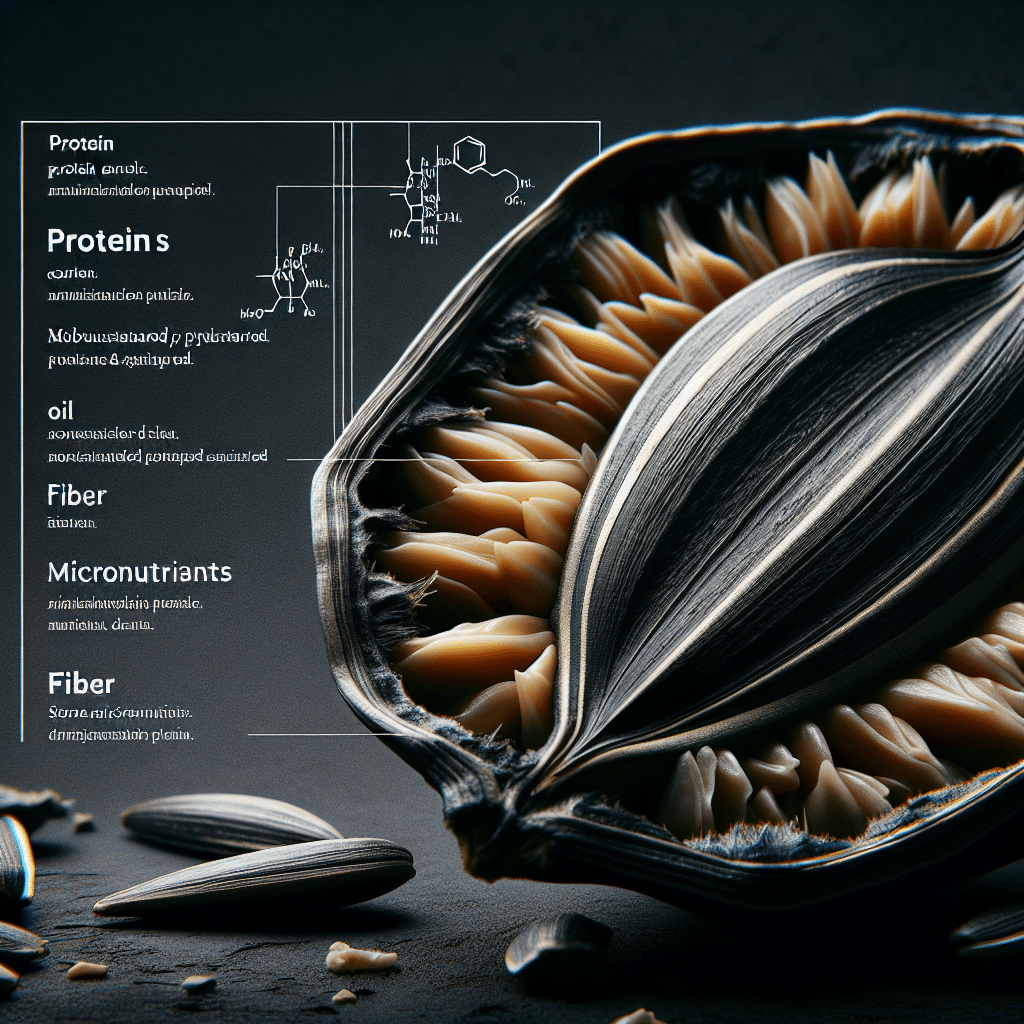
Packed with an array of vitamins and minerals, black oil seeds are especially known for their rich content of omega-3 and omega-6 fatty acids. These essential fatty acids play a critical role in heart health, reducing inflammation, and supporting brain function. Additionally, the seeds are an excellent source of protein, making them ideal for vegetarians and vegans looking to boost their protein intake naturally.
Health Benefits of Black Oil Seeds
The numerous health benefits of black oil seeds can be attributed to their robust nutritional profile. Incorporating these seeds into your diet can aid in cholesterol management due to their high fiber content. The antioxidants present in black oil seeds also help in neutralizing free radicals in the body, potentially reducing the risk of chronic diseases.
Moreover, these seeds support immune function due to their high levels of essential nutrients like zinc and selenium. They can also enhance digestive health, thanks to their significant fiber content, which promotes regular bowel movements.
Culinary Uses of Black Oil Seeds
Despite their small size, black oil seeds bring a slightly nutty flavor to dishes, making them a versatile ingredient in the kitchen. They can be sprinkled over salads, incorporated into smoothies, or ground into a fine paste for use in dips and dressings. Their oil can also be used as a cooking oil or a finishing touch to add a rich, earthy flavor to any dish.
Sustainable Use and Precautions
One crucial practice to remember is never using the same black oil seeds twice, particularly in oil extraction processes. Once the seeds have been pressed for their oil, they lose much of their nutritional value and effectiveness. It’s best to consume the seeds in their fresh state to fully benefit from their nutrient-rich profile.
Furthermore, like any dietary ingredient, black oil seeds should be consumed in moderation. Excessive intake may lead to digestive discomfort for some individuals. It’s advisable to start with small amounts and gradually increase depending on how your body responds.
BIG SALE | FAST SHIPPING
HOT PROMOTIONS!
ZPHC Clomid Clomiphene 25mg/tablet | 100 Tablets Total: 2500mg

Original price was: $ 159.00.$ 65.00Current price is: $ 65.00.

Beligas 10ml Vial Testosterone NPP Blend 150mg

Original price was: $ 119.00.$ 99.00Current price is: $ 99.00.
CROWX 👑 CLOMIROW 50 Mg / 50 Tabs ( Clomid )
Original price was: $ 79.00.$ 69.00Current price is: $ 69.00.



Conclusion
Black oil seeds, with their impressive array of nutrients and health benefits, can be a wonderful addition to a balanced diet. Their versatility in the kitchen and positive impact on health makes them a worthy ingredient to explore. Just remember to use them fresh, and never reuse seeds that have been pressed for oil, to ensure you receive their full range of benefits.
FAQs
What are black oil seeds?
Black oil seeds are small, dark seeds that are rich in omega-3 and omega-6 fatty acids, protein, fiber, and various vitamins and minerals.
Can black oil seeds help with cholesterol management?
Yes, the fiber and healthy fatty acids in black oil seeds can aid in managing cholesterol levels.
Is it safe to use black oil seeds daily?
Yes, but it’s important to consume them in moderation to avoid potential digestive issues. Starting with small quantities and gradually increasing is advisable.
Why should used black oil seeds not be reused?
Once pressed for oil, black oil seeds lose much of their nutritional value, making them less effective when reused.
For more information on the benefits of seeds in general, you can check out HealthLine or explore culinary uses on Serious Eats.
Black oil seeds, often referred to as black oil sunflower seeds, are a popular choice for bird enthusiasts and gardeners alike due to their high oil content and nutritional value. These small, black seeds have a thin shell that makes them easy for birds to crack open, providing a rich source of energy and essential nutrients such as fats, proteins, and vitamins. Their popularity extends beyond the avian world; they are also valued in the agriculture sector for producing sunflower oil and meal, important ingredients in cooking and animal feed. The seeds’ high oil content not only makes them an excellent choice for pressing into oil, offering a healthier alternative with a mild flavor suitable for various culinary dishes, but also positions them as a critical component in attracting a wide variety of bird species to gardens and feeders, thereby promoting biodiversity and ecological balance.