Exploring the Shift: Transitioning from Semaglutide to Tirzepatide
TABLE OF CONTENTS

The journey from using semaglutide to tirzepatide represents a significant change in diabetes management and weight loss strategies. As each medication has different mechanisms and outcomes, understanding these differences is crucial for patients and healthcare providers alike. Let’s dive into the details.
Understanding Semaglutide and Tirzepatide
Semaglutide is a GLP-1 receptor agonist, primarily used to manage type 2 diabetes and promote weight loss. It works by mimicking the hormone GLP-1, which increases insulin release in response to meals and slows gastric emptying.
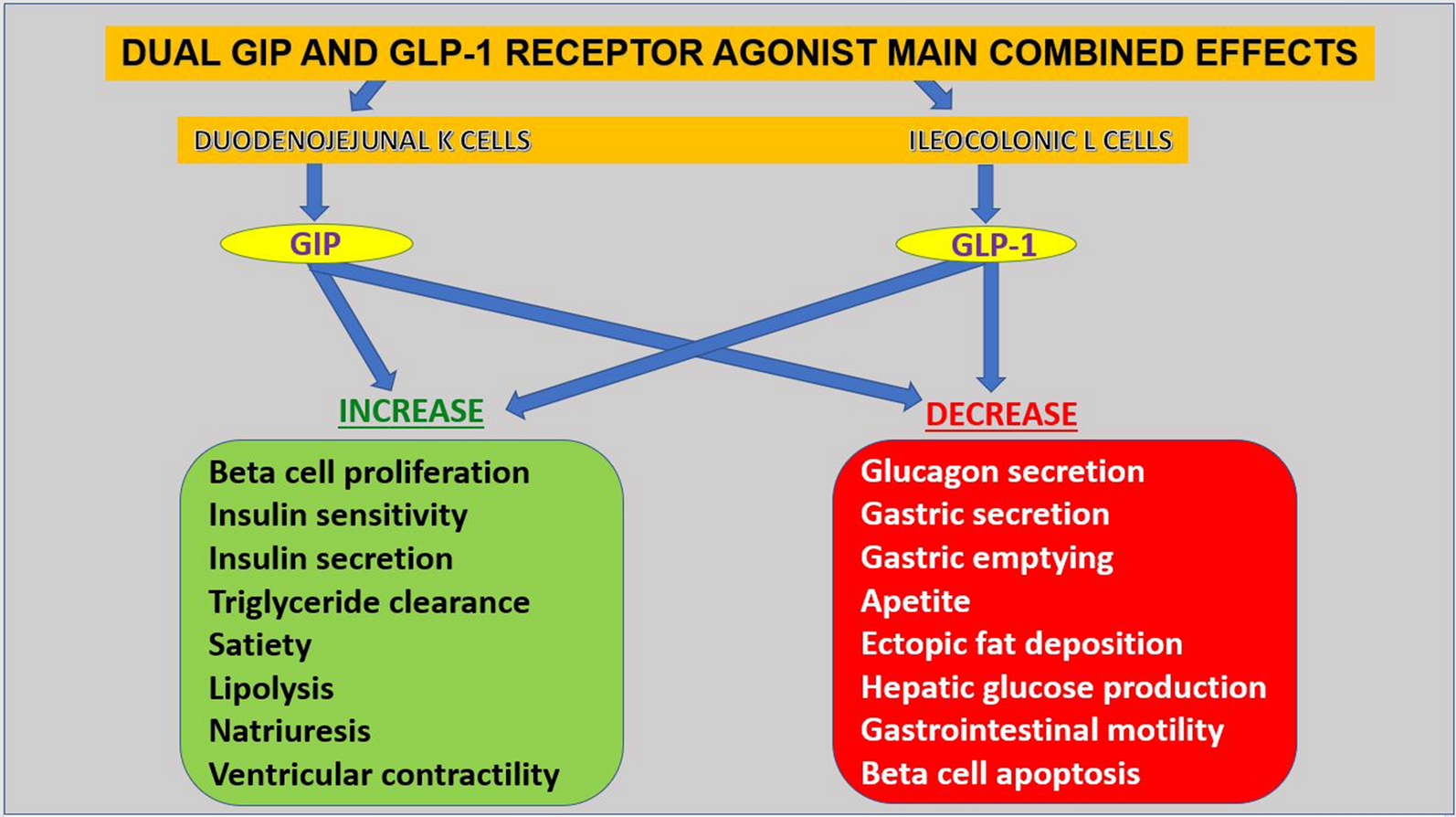
On the other hand, tirzepatide is a dual agonist that targets both GLP-1 and GIP receptors. This dual action potentially enhances metabolic outcomes more effectively than GLP-1 agonists alone, offering improved glycemic control and weight reduction.
Benefits of Switching from Semaglutide to Tirzepatide
Switching from semaglutide to tirzepatide can provide multiple benefits. The primary advantage is the improved efficacy in glycemic control due to its action on two receptors. Clinical trials have shown that tirzepatide may lead to greater weight loss and reduced blood sugar levels compared to semaglutide.
Another benefit is the potential for lower medication dosages and reduced side effects over the treatment duration. Patients report improved satisfaction with tirzepatide, often due to its enhanced effects on weight management.
Considerations When Switching from Semaglutide to Tirzepatide
Transitioning from semaglutide to tirzepatide should be conducted under medical supervision. Considerations include assessing current health status, potential side effects, and the patient’s overall treatment goals. It’s important to gradually adjust to ensure there are no adverse reactions during the switch.
Healthcare providers will take into account previous responses to semaglutide and monitor initial reactions to tirzepatide closely. This ensures tailored treatment that aligns with personal health needs.
Conclusion
Switching from semaglutide to tirzepatide can lead to significant health benefits, particularly for those struggling with diabetes and weight management. The dual action of tirzepatide offers a promising alternative for enhanced treatment outcomes. Consultation with healthcare providers is essential to make the transition successful and ensure it aligns with individual health requirements.
FREE SHIPPING
HOT PROMOTIONS!
BIG SALE | FAST SHIPPING
SUSTANON 300MG BLEND AXIOM 10ML

Original price was: $ 118.00.$ 99.00Current price is: $ 99.00.

♀ PT 141 10MG/VIAL Bremelanotide KIT 10vials FIERCE

Original price was: $ 400.00.$ 279.00Current price is: $ 279.00.






FAQs
Can everyone switch from semaglutide to tirzepatide?
Not everyone may be a candidate for tirzepatide. It’s essential to consult with a healthcare provider to evaluate medical history and treatment goals.
Are there any side effects when switching?
Patients might experience different side effects. Common issues include gastrointestinal discomfort, but these are generally temporary.
How soon can one expect results after switching?
Results can vary, but many patients begin noticing changes in blood sugar and weight within weeks. Regular check-ups ensure that tirzepatide’s benefits are maximized.
Learn more about health supplements and fitness at Steroid Planner, Steroid.com, John Doe Bodybuilding, and Ulaska.
Switching from semaglutide to tirzepatide might be considered for patients seeking enhanced benefits in managing type 2 diabetes or obesity. Tirzepatide acts as a dual agonist, targeting both GLP-1 and GIP receptors, which may offer improved glycemic control and weight loss compared to semaglutide, a GLP-1 receptor agonist. Transitioning should involve careful consultation with healthcare providers to tailor the dosing and monitor for potential side effects or changes in efficacy. The dual mechanism of tirzepatide can potentially provide more comprehensive metabolic benefits, making it a promising alternative for suitable candidates.