
Exploring the Vital Roles of Connective Tissue in the Body

Connective tissue plays a crucial role in the complex framework of the human body. As one of the four basic tissue types, its significance is often overshadowed by more widely acknowledged tissues such as muscle and nerve. Understanding the functions of connective tissue is essential in grasping how our bodies operate, maintain structure, and respond to injuries. This article delves into the many roles of connective tissue, emphasizing its importance in both biological and clinical contexts.
Structural Support and Protection
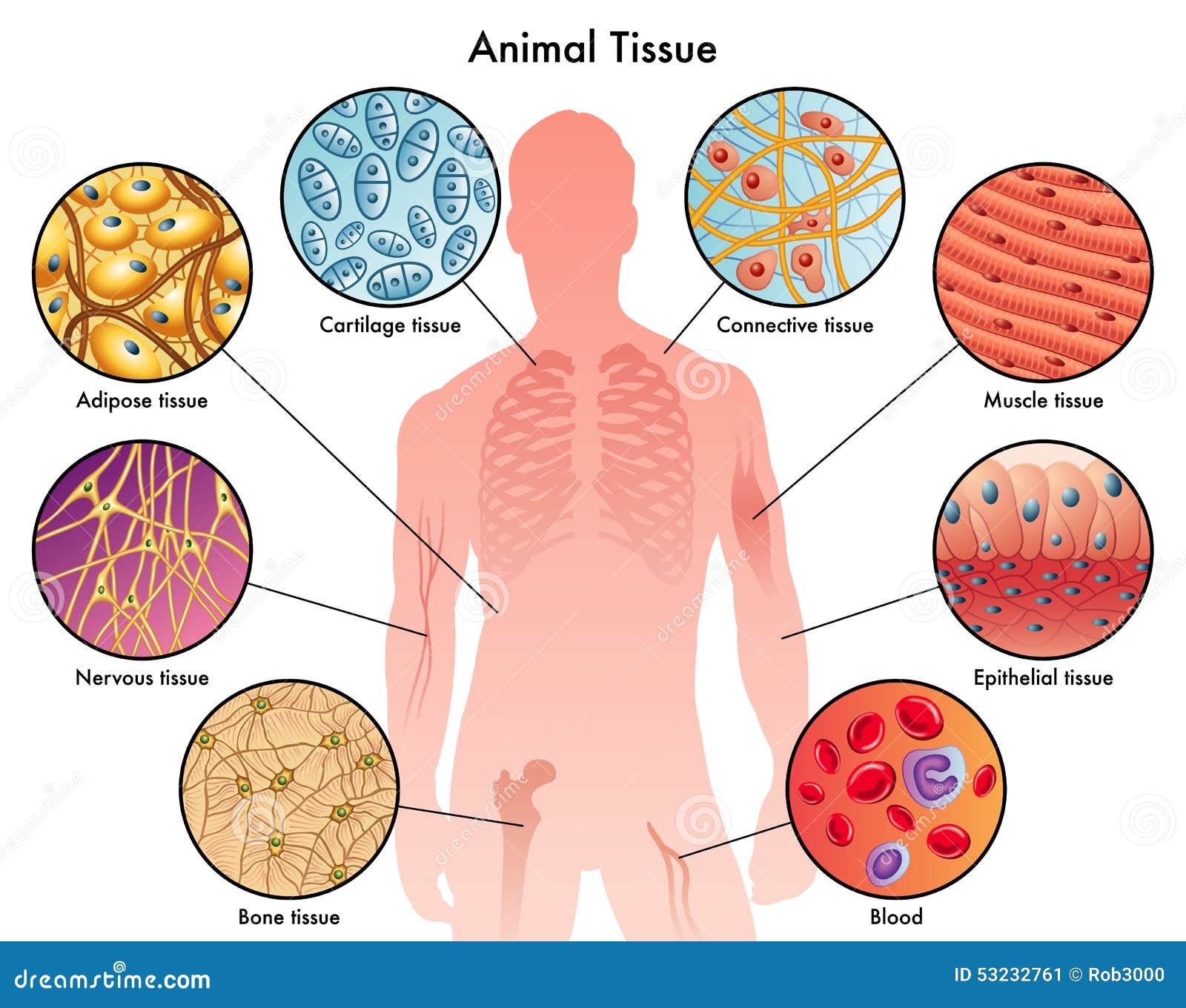
One of the primary functions of connective tissue is to provide structural support and protection. This tissue type forms a matrix that connects other tissues, providing a framework that supports the body against gravitational forces. For instance, bone tissue, a type of connective tissue, offers a rigid framework that protects vital organs and supports body weight. Cartilage, another type of connective tissue, cushions joints and provides flexibility in areas like the ears and nose.
Storage and Insulation
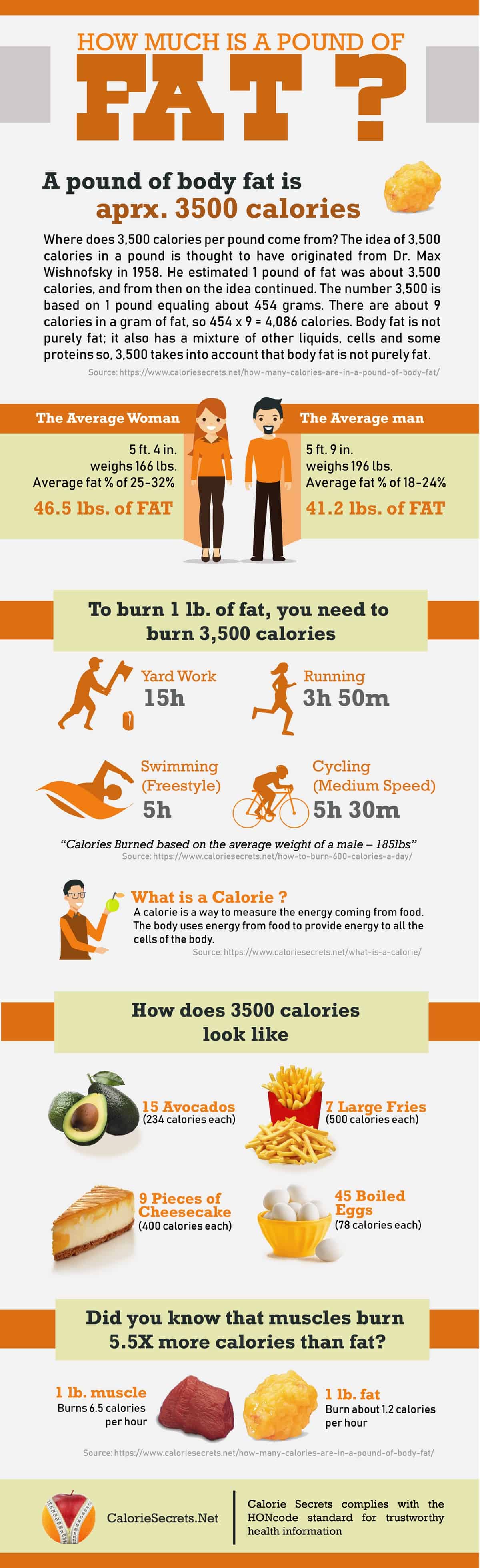
Connective tissue also serves as a reservoir for energy storage and insulation. Adipose tissue, commonly known as body fat, is a specialized form that stores energy in the form of lipids. It acts as an insulating layer, maintaining body temperature and cushioning vital organs against external impacts.
Transport of Nutrients and Waste
A vital function of connective tissue is the transport of nutrients and waste products. Blood, a fluid form of connective tissue, is essential in delivering oxygen and nutrients to cells while transporting waste products away for disposal. Lymph, another connective tissue, plays a significant role in immune response and helps in the removal of interstitial fluid from tissues.
Wound Healing and Repair
Connective tissue is also fundamental in wound healing and repair processes. When tissue damage occurs, connective tissue cells such as fibroblasts are activated to produce collagen fibers that form the structural framework for new tissue. This function is crucial in restoring the integrity of organs and tissues following an injury, as explained in detail here.
Immune System Support
Another important function of connective tissue is its role in supporting the immune system. It acts as a first line of defense by housing immune cells that can quickly respond to pathogens entering the body. Lymphoid connective tissue, found in structures such as lymph nodes and the spleen, is crucial in the filtration of lymph and the production of immune responses.
Conclusion
The functions of connective tissue are extensive and varied, ranging from structural and protective roles to facilitating healing and immune responses. By integrating these functions, connective tissue contributes significantly to the overall health and functionality of our bodies. Understanding and appreciating these functions can help in diagnosing and treating a variety of medical conditions.
FAQs
What types of connective tissue exist?
Connective tissue can be classified into several types, including loose connective tissue, dense connective tissue, cartilage, bone, blood, and lymph. Each type has specialized functions and structures that suit its roles in the body.
How does connective tissue contribute to immune function?
Connective tissue houses immune cells that help identify and destroy pathogens. Lymphoid tissues, a subtype of connective tissue, are central to producing immune responses and filtering out harmful substances. More details can be found on this reliable source.
Can connective tissue heal after injury?
Yes, connective tissue can heal after injury. Fibroblasts in the tissue produce collagen to repair and regenerate the damaged area, restoring structural integrity.
Is blood considered a connective tissue?
Yes, blood is considered a form of fluid connective tissue. It carries nutrients, gases, and wastes throughout the body, playing a major role in the transport and communication between different tissues.
BIG SALE | FAST SHIPPING
HOT PROMOTIONS!

ZPHC Clomid Clomiphene 25mg/tablet | 100 Tablets Total: 2500mg

Original price was: $ 159.00.$ 65.00Current price is: $ 65.00.


ZPHC UltraMix 1ml amps x 10 amps - 1ml = 250mg

Original price was: $ 259.00.$ 179.00Current price is: $ 179.00.
CLOMID 50MG FIERCE 50 TABLETS

Original price was: $ 129.00.$ 119.00Current price is: $ 119.00.



Connective tissue plays a critical role in the body’s overall structure and function, acting as a supportive framework that binds, supports, and protects various organs and tissues. It is composed of a diverse range of cells, fibers, and extracellular matrix, each contributing unique characteristics to different types of connective tissue, such as bone, cartilage, fat, and blood. Notably, connective tissue serves multiple functions, including providing structural support and shape to the body, facilitating the repair of tissues, and playing a crucial role in immune defense by housing specialized immune cells. Additionally, it acts as a medium for nutrient and waste exchange between blood and tissues, thereby sustaining cellular metabolism. By synthesizing essential extracellular components such as collagen and elastin, connective tissue ensures the maintenance of elasticity, strength, and resistance against mechanical stress, thereby maintaining homeostasis and overall bodily integrity.