

Female Bodybuilding in a Male-Dominated Sport

The world of bodybuilding has traditionally been male-dominated, but female bodybuilding has made significant strides over the years. As more women take up the challenge of building their physiques to maximum potential, they not only redefine the standards of beauty and strength but also inspire others to push boundaries. This article explores the evolution, challenges, and triumphs of female bodybuilding.
The Evolution of Female Bodybuilding
Since its emergence in the late 1970s, female bodybuilding has undergone a transformative journey. The first official bodybuilding competition for women was held in 1978, marking a pivotal moment in the sport’s history. Over the decades, female athletes have shown remarkable progress, thanks to advancements in training techniques and nutrition science.
Female bodybuilding initially faced criticism and skepticism. However, the growing acceptance and appreciation for muscular women have sparked a revolutionary change. Women like Rachel McLish and Cory Everson paved the way by showcasing not just muscularity but also grace and poise on stage.
The Challenges Faced by Female Bodybuilders
Despite the progress, female bodybuilders face unique challenges, from societal stereotypes to sponsorship disparities. The sport requires immense dedication, discipline, and the ability to withstand criticism about body image that often comes with the territory. Many female athletes navigate the delicate balance between femininity and muscularity, striving to elevate the perception of female bodybuilding beyond traditional norms.
Empowerment through Female Bodybuilding
For many women, female bodybuilding is more than a sport; it is a means of empowerment. This endeavor enables them to take control of their bodies, challenge gender roles, and inspire those around them. By participating in bodybuilding competitions, women break barriers and prove that strength and beauty coexist harmoniously.
Social media platforms have also played a crucial role in promoting female bodybuilding. Athletes now have the opportunity to share their journeys, connect with a global audience, and encourage other women to embrace fitness and strength training.
The Future of Female Bodybuilding
The future of female bodybuilding looks promising. With growing interest and participation, the sport continues to evolve and expand. As more women step onto the stage and take part in bodybuilding competitions, there is hope for greater recognition, sponsorship deals, and media coverage aimed at showcasing the accomplishments of female athletes.
Conclusion
Female bodybuilding is much more than bulging biceps and rock-hard abs. It is a testament to what women can achieve with perseverance, dedication, and resilience. As barriers continue to break down, the sport not only encourages women to pursue fitness but also fosters a community of powerful and confident individuals. Female bodybuilding will undoubtedly continue to evolve, empowering and redefining traditional notions of strength.
FAQs
Q: What is the main goal of female bodybuilding?
A: The primary objective is to build muscle mass and achieve a symmetrical, sculpted physique, while improving overall health and fitness.
Q: Is female bodybuilding safe?
A: Yes, with proper training, nutrition, and health considerations, female bodybuilding is a safe sport. It’s important to have guidance from professionals, such as trainers and nutritionists.
Q: How can I get started in female bodybuilding?
A: Begin by setting clear fitness goals, learning proper weightlifting techniques, and following a structured nutrition plan. Consider hiring a coach or trainer to help guide you in the beginning stages.
BIG SALE | FAST SHIPPING
HOT PROMOTIONS!
FIERCE CLOMID 50MG 50CAPS
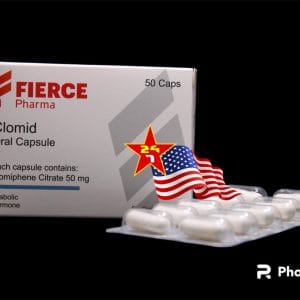
Original price was: $ 129.00.$ 119.00Current price is: $ 119.00.
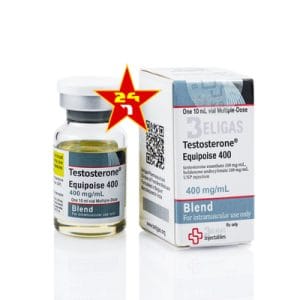

Beligas 10ml Vial Testosterone NPP Blend 150mg

Original price was: $ 119.00.$ 99.00Current price is: $ 99.00.
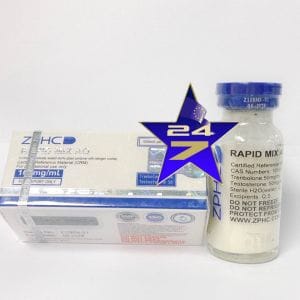

ZPHC UltraMix 10ml MultiUse Vial 1ml = 250mg

Original price was: $ 255.00.$ 179.00Current price is: $ 179.00.
Female bodybuilding is a dynamic and empowering sport that celebrates the strength, discipline, and dedication of women who engage in rigorous training to build and sculpt their physiques. This competitive pursuit involves a combination of intense weight training, strategic nutrition, and commitment to a lifestyle that prioritizes athletic excellence and personal growth. Female bodybuilders work tirelessly to perfect their forms, emphasizing muscle symmetry, size, and definition, all while challenging societal norms related to femininity and physical appearance. Competitions provide a platform for these athletes to showcase their hard work, with categories that range from bodybuilding to physique, figure, and bikini, each with distinct judging criteria. Beyond the physical transformation, female bodybuilding fosters a supportive community that encourages self-confidence, resilience, and the pursuit of personal health and fitness goals. As the sport continues to grow, it promotes a broader understanding and appreciation of diverse body types and the capabilities of women in athletics.