Gelsyn Injections: A Breakthrough in Osteoarthritis Pain Management

Understanding Gelsyn Injections for Joint Pain Relief
Gelsyn injections, a form of hyaluronic acid therapy, have gained attention for their efficacy in treating osteoarthritis-related knee pain. This non-steroidal option provides relief by improving the natural lubrication in the joint, thereby reducing pain and enhancing mobility. As aging and wear-and-tear on joints become commonplace, understanding the scope and use of Gelsyn injections can be beneficial for those seeking alternatives to surgery or long-term medication.
How Do Gelsyn Injections Work?
The science behind Gelsyn injections lies in their active ingredient: hyaluronic acid. This substance, found naturally in the body, serves as a lubricant and shock absorber in joints. When the natural levels of hyaluronic acid are depleted due to conditions like osteoarthritis, joints can become stiff and painful. Gelsyn injections replenish this critical component, thereby restoring fluidity and reducing friction within the joint.
Procedure and Administration
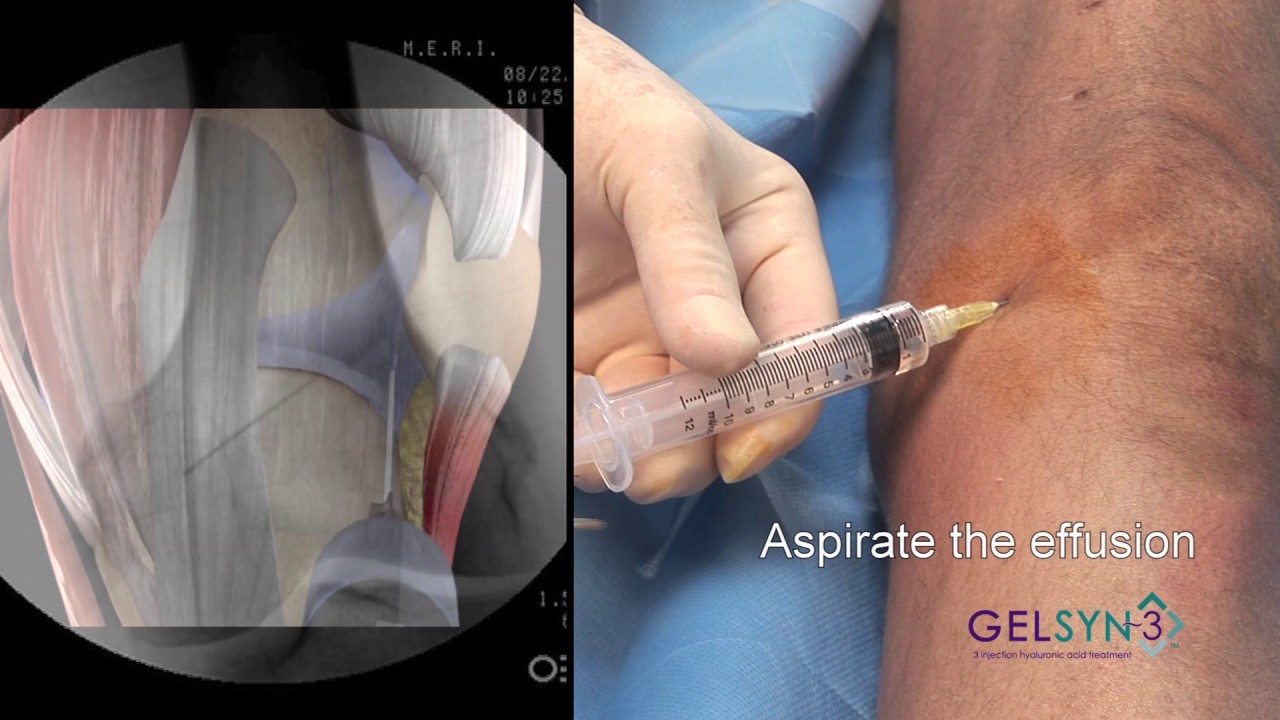
Typically, Gelsyn injections are administered directly into the knee joint by a healthcare provider. Depending on the severity of the condition, a series of injections may be required over several weeks. Most patients report noticeable pain relief and improved joint function within a few weeks after the first injection. The procedure is short, relatively painless, and usually performed in an outpatient setting.
Safety and Efficacy of Gelsyn Injections
Research supports the safety and effectiveness of Gelsyn injections for most patients. Side effects are generally mild, such as temporary pain at the injection site. However, it’s crucial to follow healthcare guidelines, including avoiding the reuse of injection tools, to minimize risks and ensure the highest safety standards.
Gelsyn injections are particularly beneficial for individuals who experience limited relief from conventional treatments like oral medications or physical therapy. Yet, it’s important to consult with a healthcare provider to determine if these injections align with individual health needs and conditions.
Conclusion
Gelsyn injections offer a promising avenue for those seeking a non-surgical solution to joint pain. By enhancing mobility and reducing discomfort, patients can regain quality of life and resume daily activities with more ease. Careful adherence to medical guidance ensures not only the effectiveness of the procedure but also patient safety.
FAQs
What are Gelsyn injections?
Gelsyn injections consist of a gel-like substance made primarily of hyaluronic acid, designed to relieve knee pain from osteoarthritis by lubricating and cushioning the joint.
Are there any side effects?
Most side effects are minor and temporary, including pain at the injection site and minor swelling or warmth. Always consult with your healthcare provider to understand the risks.
How long does the relief last?
Relief from Gelsyn injections can last several months but varies among individuals. A typical treatment course often provides pain relief and increased joint functionality.
Can Gelsyn injections be reused?
No, never use the same Gelsyn syringe twice. Reusing them could increase the risk of infection and compromise the treatment’s safety and effectiveness.
For authoritative insights, you might find this resource and this arthritis foundation’s article useful.
BIG SALE | FAST SHIPPING
HOT PROMOTIONS!


CYT 3 6MG | T3 | Yohimbe | Clen | Weight Loss Blend | 100 Tablets Total Kit 600mg
$ 69.00


ZPHC UltraMix 10ml MultiUse Vial 1ml = 250mg

Original price was: $ 255.00.$ 179.00Current price is: $ 179.00.
Gelsyn injections are a form of viscosupplementation therapy often used to treat osteoarthritis, particularly in the knees. They contain hyaluronate, a naturally occurring substance found in the synovial fluid of joints, which acts as a lubricant and shock absorber. The purpose of Gelsyn injections is to supplement the decreasing levels of hyaluronic acid in arthritic joints, thereby improving joint function and reducing pain. Typically administered in a series of three weekly injections, Gelsyn can provide relief for up to six months, although the effectiveness can vary from person to person. These injections are generally considered when patients have not had sufficient relief from other conservative treatments, such as pain relievers or physical therapy, and are often seen as an intermediate step before considering more invasive procedures like knee replacement surgery. As with any medical treatment, patients should discuss the potential benefits and risks with their healthcare provider to ensure it is the right option for their specific condition.