

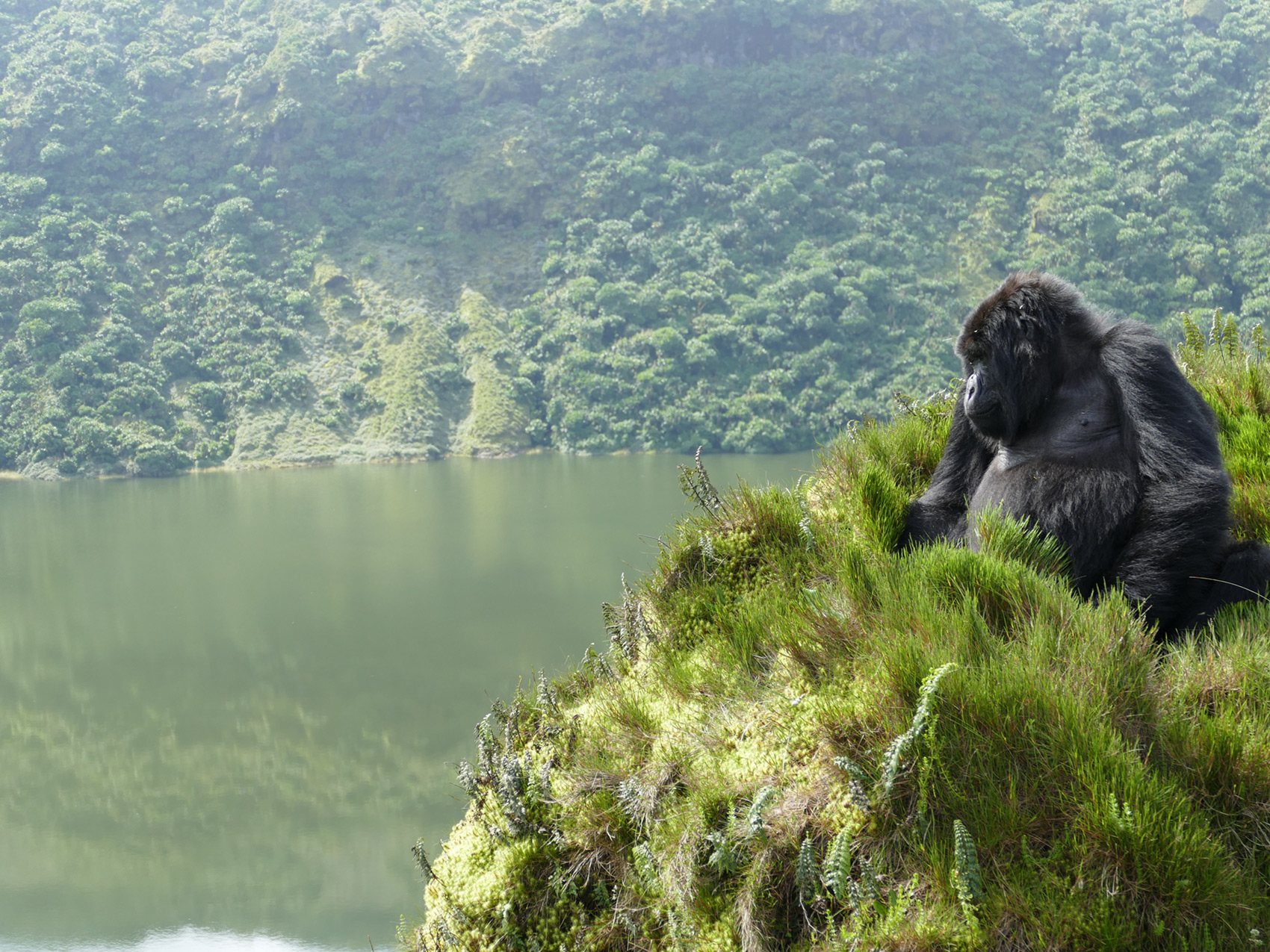
Gorillas Mist: Exploring the Enchanting Fog of Their Habitats

The world of wildlife is filled with wonder and mystery, and one such fascinating aspect is the “Gorilla’s Mist.” This term may sound intriguing to many, but it encapsulates a natural occurrence that plays a significant role in the ecosystems where gorillas reside. In this article, we explore what Gorilla’s Mist is, its importance, and how it contributes to environmental balance.
What is Gorilla’s Mist?
Gorilla’s Mist is not a literal mist but a metaphorical term used to describe the subtle yet powerful influence gorillas have on their environment. In the dense, humid rainforests of Africa where these magnificent creatures live, their daily activities contribute to the dispersal of seeds and the maintenance of biodiversity. The “mist” stands as a symbol of their lasting, imperceptible impact on these ecosystems.
Significance of Gorilla’s Mist
Gorillas, through their interaction with their habitat, play a crucial role in forest regeneration. As they consume fruits, seeds pass through their digestive systems and are later excreted elsewhere. This seed dispersal is vital for maintaining plant diversity and promoting forest growth. Without this process, certain plant species might face challenges to survive and spread, potentially disrupting the entire ecosystem.
The Ecological Impact of Gorilla’s Mist
The benefits of Gorilla’s Mist extend beyond seed dispersal. Gorillas help in pruning trees and shrubs, clearing pathways through dense vegetation. This activity allows sunlight to penetrate the forest floor, fostering an environment conducive for the growth of diverse plant species. Additionally, the presence of gorillas attracts researchers and conservationists, drawing attention and resources towards preserving these fragile ecosystems.
Conservation Efforts Tied to Gorilla’s Mist
Understanding and preserving Gorilla’s Mist has become a focal point for various conservation groups. Wildlife Conservation Society and World Wildlife Fund are among the organizations working tirelessly to protect gorillas and their habitats. These efforts not only safeguard the gorillas but also the intricate web of life that depends on their existence.
Conclusion
While Gorilla’s Mist may initially evoke images of gentle fog rolling through the rainforest, it truly symbolizes the profound and intricate role gorillas have within their ecosystems. By dispersing seeds and facilitating forest regeneration, gorillas maintain biodiversity and ecological balance. Conservation efforts continue to be essential in preserving these functions, ensuring gorillas and their habitats thrive for future generations.
BIG SALE | FAST SHIPPING
HOT PROMOTIONS!






STADA MEGA CUTS BLEND 300 MG 10ML (TRENBOLONE)

Original price was: $ 129.00.$ 119.00Current price is: $ 119.00.

FIERCE CLOMID 50MG 50CAPS

Original price was: $ 129.00.$ 119.00Current price is: $ 119.00.

FAQs
What is Gorilla’s Mist?
Gorilla’s Mist refers to the ecological influence that gorillas exert on their environment through activities like seed dispersal and forest modification.
How do gorillas contribute to their ecosystems?
Gorillas contribute by dispersing seeds through their droppings, clearing vegetation, and creating pathways that allow sunlight to reach the forest floor, fostering plant growth.
Why is Gorilla’s Mist important?
It is important because it promotes biodiversity and forest regeneration, which are critical for the health and stability of tropical ecosystems.
What is the role of conservation in relation to Gorilla’s Mist?
Conservation efforts aim to protect gorillas and their habitats, preserving the natural processes that Gorillas Mist represents, thus maintaining ecological balance.
By understanding and respecting the nuances of Gorilla’s Mist, we take a step forward in appreciating and safeguarding the natural wonders of our world.
Gorillas Mist isn’t a widely recognized term, but if we’re referring to the misty environments that gorillas inhabit, it paints a vivid picture of their natural habitat. Typically found in the dense forests of central Africa, such as those in the Virunga Mountains, these habitats are often shrouded in a perpetual layer of mist and fog. This mist plays a crucial role in maintaining the lush, verdant environment that supports a rich biodiversity, providing gorillas with an abundance of foliage for their primarily herbivorous diets. The combination of high altitude and equatorial climate creates a unique and often ethereal atmosphere, essential for the survival of these magnificent creatures. This mist not only nourishes the land but also adds an element of mystique to the study and conservation of gorillas, enhancing the allure of these gentle giants as symbols of untamed wilderness.