Harnessing the Power of Oxytocin: Potential Therapeutic Uses
TABLE OF CONTENTS

In a world captivated by the promise of youth and vitality, understanding the role of specific compounds in enhancing health and beauty has become essential. Oxytocin, often dubbed the “love hormone,” is a peptide that holds more benefits than just within romantic confines. 🎉 Known for its role in social bonding, this hormone has made strides beyond its initial scope, showing promise in various health and wellness applications.
The Science Behind Oxytocin
Oxytocin is a naturally occurring peptide hormone and neuropeptide produced in the hypothalamus and released by the pituitary gland. Its primary roles are in childbirth and breastfeeding, facilitating labor and milk ejection. However, recent studies reveal its profound impact on emotional, mental, and physical well-being. The hormone acts on the brain, promoting feelings of trust and empathy, which strengthen social and romantic bonds. While oxytocin is naturally produced in the body, its supplemental forms are gaining popularity for various other benefits. 🤗
Oxytocin in Beauty and Wellness
In the arena of beauty and skincare, oxytocin is gaining attention for its potential anti-aging properties. Its involvement in cell regeneration and collagen production makes it a promising addition to skincare regimens.💧 Collagen, essential for maintaining skin elasticity and firmness, is vital for a youthful appearance. By promoting collagen production, oxytocin may aid in reducing signs of aging, such as wrinkles and fine lines.
Moreover, oxytocin’s ability to reduce stress and anxiety has indirect implications for skincare. Stress can accelerate the aging process, and by mitigating stress responses, this peptide hormone may help maintain skin’s vitality and health. Oxytocin is thus emerging as a holistic asset in skincare routines, blending emotional wellness with dermatological benefits.
Wellness Applications of Oxytocin
Beyond skin-deep advantages, oxytocin is being studied for its benefits in weight management and overall wellness. By potentially influencing the feelings of trust and connection during social interactions, it may contribute to mental well-being, indirectly supporting weight loss goals. Its interaction with other peptides and hormones like sermorelin and GHRP-6 also hints at a role in enhancing hormonal balance, further supporting wellness objectives.
FREE SHIPPING
BIG SALE | FAST SHIPPING
HOT PROMOTIONS!
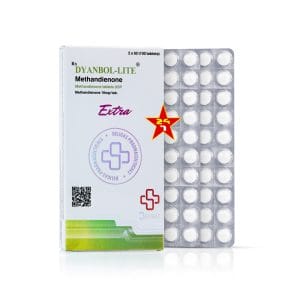



STADA DHB DIHYDROBOLDENONE 100MG 10 ML

Original price was: $ 219.00.$ 109.00Current price is: $ 109.00.



Conclusion
Oxytocin emerges as a multifaceted peptide with promising benefits across various domains. From cultivating social bonds to potential skincare and wellness applications, it illustrates the intricate connections between hormonal balance and a healthy, vibrant life. Utilized wisely, oxytocin may indeed hold the key to both inner well-being and outer beauty.
FAQs
Q: How does oxytocin improve skin health?
A: Oxytocin enhances skin health by promoting collagen production and reducing stress, which can contribute to the skin’s vitality and appearance.
Q: Is oxytocin supplementation safe?
A: While oxytocin supplementation is generally considered safe, it is essential to consult with a healthcare provider before starting any new treatment.
Q: Can oxytocin aid in weight loss?
A: There is evidence suggesting that oxytocin might influence weight management indirectly by reducing stress and improving mental well-being.
#peptides #skincare #antiaging #b #skin #beauty #collagen #wellness #weightloss #sermorelin #ghrp #injections #hcg #skincareroutine #hcgphase #hcgdiet #hcginjections #doral #hcgplus #hcgworks #miami #hcgpellets #hcgdrops #hcgusers #hcgcommunity #hcgresults #miamibeach #hcgprotocol #hcgchica #alastinskincare
Oxytocin is a powerful hormone and neurotransmitter that plays a crucial role in social bonding, reproduction, and childbirth. Often dubbed the “love hormone” or “cuddle chemical,” oxytocin is released in large amounts during activities such as hugging, childbirth, and breastfeeding, fostering a sense of connection and trust between individuals. It facilitates the establishment of bonds between mothers and their newborns, promotes emotional intimacy, and enhances social interactions. Beyond its role in personal relationships, oxytocin has been shown to have various psychological and physiological effects, such as reducing stress and anxiety, influencing empathy and generosity, and even affecting how individuals perceive and interact with others within their social groups. Current research is exploring oxytocin’s potential therapeutic applications for conditions such as autism, anxiety disorders, and postpartum depression.