

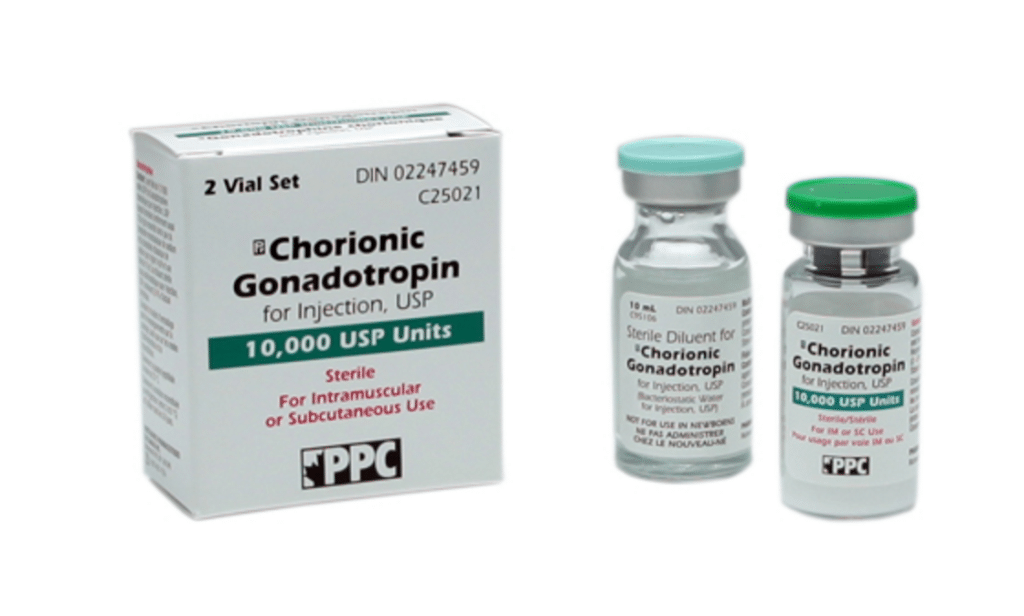
HCG PCT
TABLE OF CONTENTS

Human Chorionic Gonadotropin, commonly known as HCG, is a hormone that is widely discussed both in the medical community and popular culture. While it is naturally produced during pregnancy, its applications extend far beyond obstetrics. In this article, we dive into the different uses of HCG, its benefits, and some potential risks.
The Role of HCG in Medicine
HCG is primarily known for its role in pregnancy, where it supports the maintenance of the corpus luteum and promotes the production of progesterone, which is crucial for sustaining the uterine lining. Outside of pregnancy, HCG has become known for its use in fertility treatments. By mimicking luteinizing hormone (LH), HCG can induce ovulation in women or stimulate testosterone production in men. This makes it a key player in addressing fertility issues.
HCG in Weight Management
One of HCG’s most controversial uses is its application in weight management, notably through the HCG diet. This diet combines low-calorie consumption with HCG administration, typically via injections or sublingual drops. Proponents claim that HCG helps to reduce hunger, allowing individuals to adhere to the low-calorie intake required by the diet and prompting weight loss. However, health professionals often warn against this approach due to concerns about safety and efficacy.FREE SHIPPING
BIG SALE | FAST SHIPPING
HOT PROMOTIONS!








HCG in Bodybuilding and Performance Enhancement
HCG is also popular in the realms of bodybuilding and performance enhancement. It is sometimes used to maintain muscle mass and promote lipid breakdown. Some athletes incorporate HCG in their regimen to restore natural testosterone levels after anabolic steroid cycles, thereby helping to balance hormones and reduce side effects associated with steroid use.
Potential Risks and Considerations
While HCG has various applications, there are also risks to consider. The FDA has questioned the value of HCG in weight loss, cautioning against HCG diet products often marketed as “homeopathic” solutions. Misuse of HCG, particularly without medical supervision, can lead to adverse effects. Individuals considering HCG injections should consult healthcare providers to ensure safe and informed decisions.
Conclusion
HCG remains a subject of extensive study and debate. While it holds valuable uses in specific medical treatments, its application in weight management and bodybuilding should be approached with caution. Those interested in using HCG should ensure they are guided by medical advice to prevent potential health risks or ineffectiveness.
FAQs about HCG
What does HCG stand for?
HCG stands for Human Chorionic Gonadotropin, a hormone produced during pregnancy.
Can HCG help with weight loss?
While some assert that HCG can aid in weight loss when combined with a low-calorie diet, health professionals advise caution due to potential risks.
Is HCG safe?
When used under medical supervision, HCG is generally safe for fertility treatments. However, caution is advised for its use in weight loss or bodybuilding.
Are there side effects to using HCG?
Yes, potential side effects include headache, fatigue, and more serious complications if misused.
In summary, while HCG shows promise across various fields, its usage must be approached intelligently and safely.
Human Chorionic Gonadotropin (HCG) is a hormone that plays a pivotal role in pregnancy, produced primarily by the placenta following implantation. Its presence is crucial for maintaining the corpus luteum and stimulating the continued production of essential hormones like progesterone, which supports the uterine lining and embryo’s growth in early pregnancy. Beyond its biological function in gestation, HCG is also widely utilized in medical diagnostics as a key indicator in pregnancy tests, due to its early appearance in the urine and blood of pregnant individuals. Additionally, it is sometimes used in fertility treatments to induce ovulation and in certain cases to treat disorders like hypogonadism in men. However, its use in weight loss and bodybuilding is largely controversial and lacks substantial scientific support, leading to ongoing debates over its efficacy and safety in these contexts.




